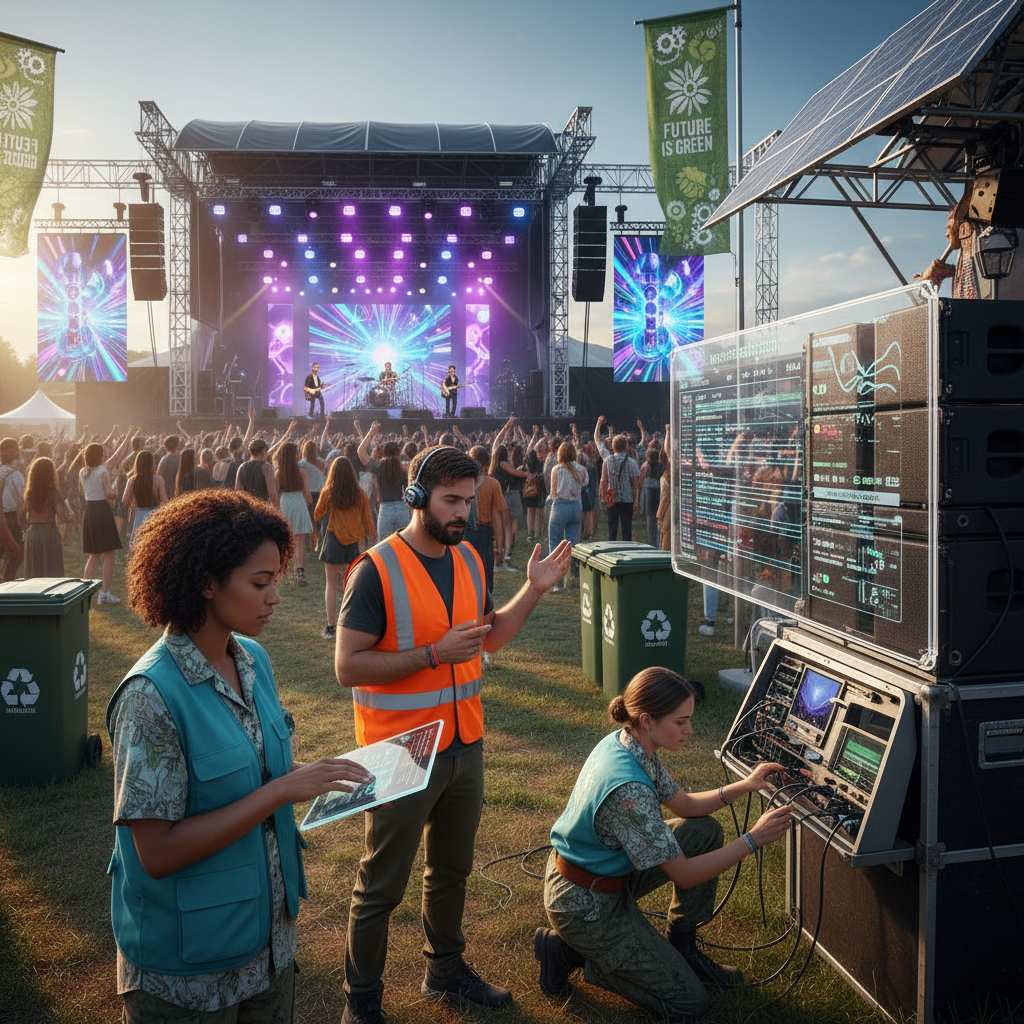
Highlights
- Concert and fair assistants are essential for seamless event execution and positive attendee experiences.
- Emerging technologies like AI enhance assistant roles, improving efficiency and engagement in live events.
Summary
Concert and fair assistant roles in 2025 are essential for orchestrating live events such as concerts and conferences. These positions involve tasks like logistical support, vendor communication, crowd control, and emergency preparedness. Working closely with event managers and production teams, assistants contribute significantly to the success of diverse events.
As events grow in complexity, assistant roles now also include specialized responsibilities in technical coordination and hybrid event management. Familiarity with technologies and AI tools is vital for enhancing attendee engagement and operational efficiency. Additionally, safety protocols and advanced crowd management strategies are crucial, highlighting the importance of trained assistants to tackle emergency situations and promote a controlled environment.
Recruitment efforts have evolved with AI enhancing fairness and efficiency, while training programs continue to provide pathways for career advancement. Although advancements in the field are notable, challenges regarding crowd dynamics and accessibility remain prevalent. Continued integration of AI and sustainability efforts suggests a promising yet demanding future for concert and fair assistants.
Overview of Roles and Responsibilities
In 2025, concert and fair assistants handle diverse tasks critical to event execution, often working under event managers. Responsibilities range from administrative support to logistical coordination, emphasizing adaptability and effective prioritization to facilitate successful event outcomes.
Event assistants take on duties including organizing schedules, managing vendor communication, and overseeing day-to-day operations. In concert settings, their hands-on tasks involve setup, stage management, and communication with performers for seamless transitions. Mid-level roles further specialize in planning logistics, vendor relations, and attendee accommodations tailored to specific event types.
Safety considerations have become central, with assistants contributing to emergency responses and implementing crowd management strategies. With technological advancements, assistants now incorporate virtual platforms and AI tools to enhance event production and attendee experiences.
Types of Assistant Roles in Concerts and Fairs
Concerts and fairs necessitate a variety of assistant roles, each addressing unique event requirements and complexities. Event assistants function as core collaborators, handling logistics and vendor relations to ensure seamless operations.
Concert assistants focus on facilitating rehearsals and performances, coordinate between musicians, and ensure technical setups align with artists’ needs. Wedding and Conference Coordinator Assistants manage vendor relations and operational tasks specific to weddings and professional events. Furthermore, stagehands and event crews play hands-on roles in managing setups and breakdowns, while crowd management assistants enforce safety protocols. Each role provides opportunities for specialization and advancement within the industry.
Recruitment, Qualifications, and Training
Recruitment for assistant roles increasingly leverages AI to enhance efficiency and promote diversity. This technology streamlines screening processes and fosters standardized evaluations, setting a new talent acquisition standard. Relevant certifications boost credibility in the field, with programs offering networking opportunities and essential training for new entrants.
Training pathways often blend practical on-the-job learning with external certification courses, emphasizing continuous education to adapt to industry changes. Notably, knowledge of AI and emerging technologies is becoming integral for employees to leverage efficiency while maintaining essential human-focused roles.
Working Conditions and Environment
Event assistants in 2025 operate in diverse and dynamic venues, from concert halls to outdoor festivals. The evolving nature of events demands a flexible approach, involving multitasking across various responsibilities while ensuring smooth coordination with team members.
As hybrid and virtual events gain traction, proficiency in managing both in-person and remote attendee experiences becomes critical. The impact of technology and sustainability practices further shapes job roles, and formal labor agreements are enhancing job security and standardizing working conditions across the sector.
Organizational Structure and Hierarchy
Event organizations define clear hierarchies that facilitate effective planning and execution. Event Managers lead teams and oversee budgets, coordinating with Production Managers and event assistants to ensure every detail of the strategy is implemented efficiently.
Operational support is provided by event crew members who manage logistics during production phases, maintaining professionalism in guest interactions. The integration of personal assistants into event planning emphasizes the expanding scope of responsibilities in the industry, enabling effective collaboration among all levels and enhancing overall event management.
Safety, Security, and Emergency Coordination
Safety and security require comprehensive strategies, including thorough screening and crowd monitoring to mitigate risks effectively before and during events. Security teams combine enforcement and customer service, which is vital for creating a welcoming atmosphere while maintaining order.
Emergency response plans crafted in collaboration with local authorities ensure readiness for potential incidents, including clear evacuation routes and designated medical assistance zones. Continued training for staff in crowd management and emergency procedures is crucial to uphold safety standards and respond effectively during crises.
Performance Evaluation and Feedback Mechanisms
Performance evaluation in assistant roles has transitioned to an ongoing process focusing on real-time feedback and open communication. Regular check-ins and leveraging insights from organizational assessments facilitate accountability and prompt improvements.
This continuous approach integrates performance discussions throughout the workday, enhancing motivation and promoting engagement while ensuring that feedback is comprehensive and consistent.
Impact of Technology and Innovation
Technological advancements significantly influence concert and fair assistants by streamlining operational processes and enhancing event experiences. AI-driven tools are revolutionizing recruitment, staffing, and attendee engagement, improving efficiency and communication flow.
As crowd management techniques evolve with technology, assistants must adapt to hybrid formats and leverage advanced tools for improved monitoring and participant experience. Sustainable practices embedded in event planning further reflect a commitment to environmental responsibility and operational innovation.
Challenges and Solutions in 2025
Concert and fair assistants face numerous challenges such as large crowds and complex safety demands. Effective crowd management relies on strategies tailored to specific event types, using technology to intervene proactively and maintain safety.
Emergency preparedness, accessibility, and technological integration present ongoing challenges. By combining proactive crowd management and innovative solutions, assistants can ensure safe, inclusive, and memorable experiences for all attendees.
Future Outlook
The outlook for concert and fair assistant roles indicates an increasing reliance on AI and automation in event planning by 2025. Hybrid event formats will necessitate a versatile skill set as staff navigate both in-person and digital environments.
Emphasis on sustainability practices and developing diverse talent showcases the industry’s responsiveness to evolving demands and expectations, positioning concert and fair assistants as crucial facilitators of engaging and responsible events.
The content is provided by Harper Eastwood, ficustolife