Highlights
- Understanding the 2026 police impoundment landscape is essential for protecting vehicle owners' rights.
- Recent legislative updates provide valuable safeguards against unfair practices and excessive impound fees.
Understanding Police Vehicle Impoundment in 2026
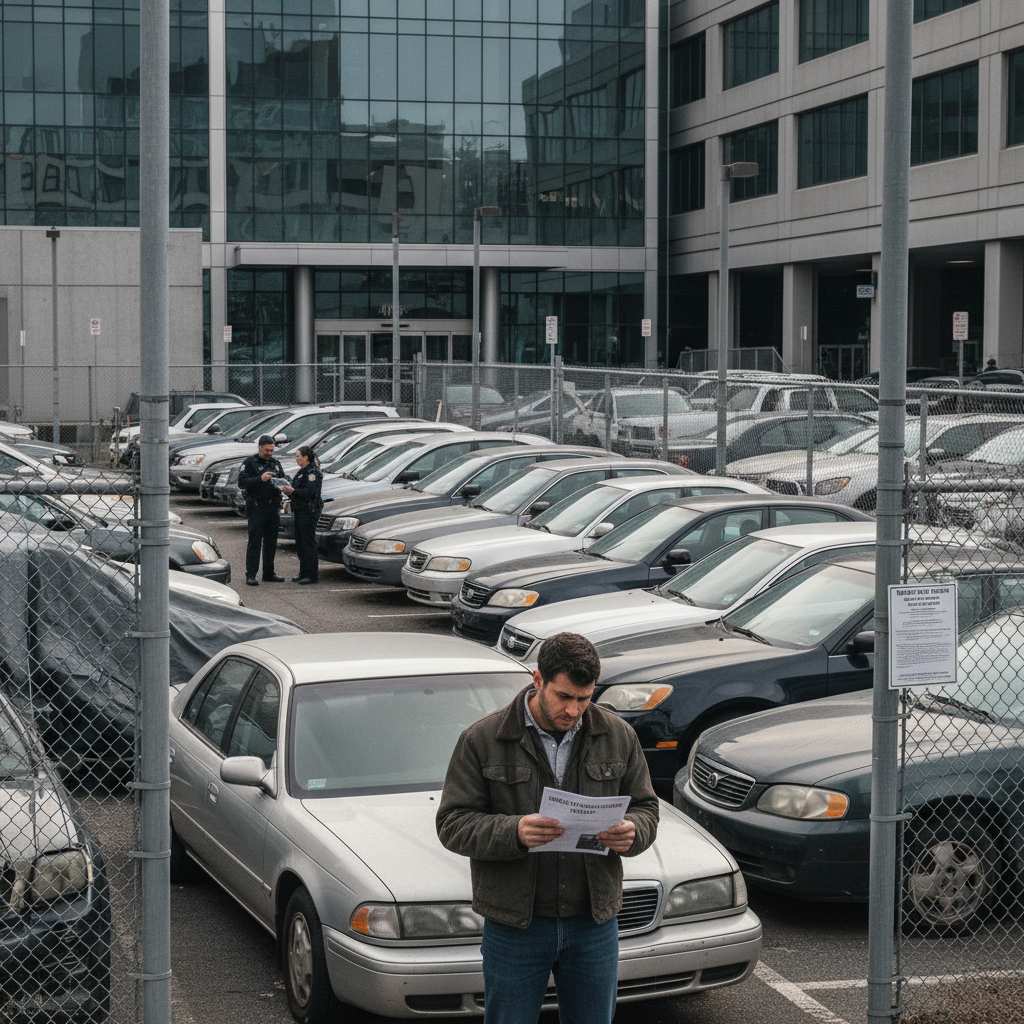
Police impoundment of vehicles involves law enforcement taking control of a vehicle, which may be attributable to criminal involvement, traffic violations, or safety concerns. This legal process is shaped by specific requirements and statutes aimed at safeguarding the rights of vehicle owners while ensuring public safety. Key areas of focus include understanding the process necessary for reclaiming an impounded vehicle and the associated fees, which can escalate quickly if not addressed promptly.
Legal Aspects and Notification Rights
In 2026, laws governing vehicle impoundment prioritize transparency and fairness. Vehicle owners are entitled to be promptly notified about the impoundment of their vehicles, which is essential to minimize additional costs. Owners can contest the impoundment through legal channels, ensuring their rights are protected throughout the process. It’s important to be proactive in addressing any notices to avoid losing the vehicle or facing substantial fees.
Process for Reclaiming an Impounded Vehicle
The retrieval process for an impounded vehicle requires presenting valid identification, proof of ownership, and current insurance before reclaiming the vehicle from the impound lot. If someone other than the owner retrieves the vehicle, proper authorization must be provided. Each local jurisdiction may have different requirements, making it critical to understand the specific documentation needed to prevent delays or complications during the retrieval process.
Understanding Fees and Financial Responsibilities
Impoundment fees can accumulate quickly, with towing fees often starting around $150 and daily storage fees ranging widely based on the facility. Besides these, administrative fees contribute to the overall costs. It’s essential for vehicle owners to prepare for these expenses and act quickly to minimize their financial burden. Being aware of the fee structures helps in effectively managing potential costs associated with vehicle impoundment.
Challenges Faced by Vehicle Owners
Owners often deal with bureaucracy and financial strain during the impoundment process. The complexity of paperwork, necessary documentation, and financial charges can be overwhelming, especially when balancing the urgency of the reclaim process. It is vital for owners to understand their rights to contest the impoundment, as well as the channels available for addressing grievances, to effectively navigate the system and reduce stress.
Avoiding Vehicle Impoundment
Preventing vehicle impoundment involves adhering to local laws regarding parking and vehicle operation. Ensuring that a vehicle is operational, parked legally, and free from outstanding fines can significantly reduce the risk of impoundment. Staying informed about local ordinances and promptly addressing any citations can further aid in preventing costly and inconvenient impound situations.
Recent Trends and Developments
The landscape of vehicle impoundment continues to evolve, with ongoing legal reforms and an emphasis on alternative solutions to impoundment. Authorities are increasingly urged to explore options before enforcing impoundments, reflecting a judicial tendency toward protecting owners’ rights and preventing unnecessary costs. Keeping abreast of these changes in regulations and legal precedents enables vehicle owners to better navigate potential impoundment scenarios.
The content is provided by Sierra Knightley, ficustolife