Highlights
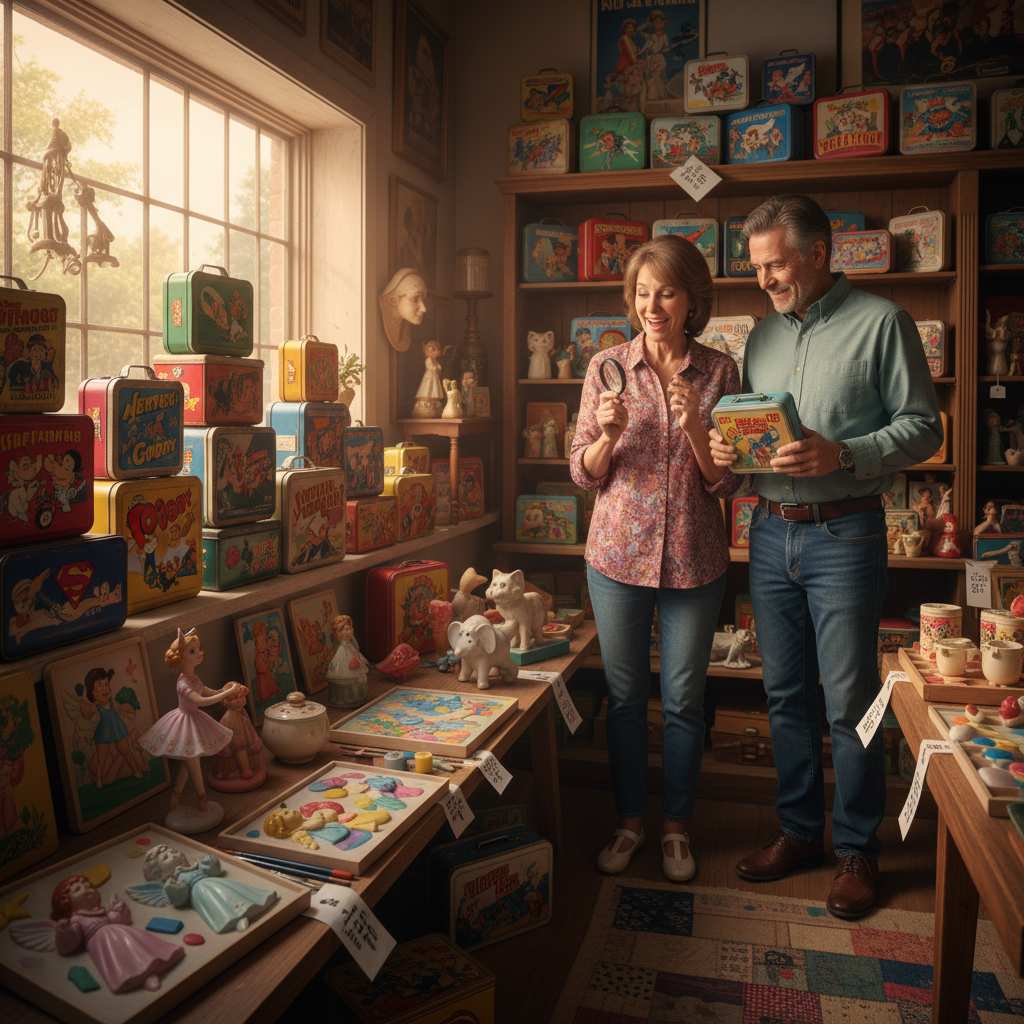
- Vintage knick-knacks like lunch boxes can hold surprising financial value for collectors.
- Accurate identification and market trends are crucial in assessing knick-knack worth.
Summary
Unlocking Value: 5 Common Knick-Knacks Worth Real Money explores the surprising monetary potential of everyday decorative and collectible items known as knick-knacks. While often dismissed as mere sentimental or aesthetic objects, certain knick-knacks—particularly vintage or branded pieces—have garnered notable interest in collector communities and can command significant prices in today’s market. This article identifies five common categories of knick-knacks that have proven to hold real financial value, including vintage metal lunch boxes, ceramic figurines, Inarco and Enesco collectibles, chalkware art sets, and other notable collectibles.
The value of knick-knacks is influenced by a combination of factors such as rarity, condition, quality, brand authenticity, and market trends. For instance, vintage ceramic figurines by manufacturers like Inarco and Enesco are prized for their craftsmanship and distinctive maker’s marks, while metal lunch boxes featuring mid-20th-century pop culture imagery have seen renewed collector demand. The article also highlights the importance of accurate identification and authentication, which can significantly affect an item’s worth, emphasizing maker’s marks and grading standards as critical tools for buyers and sellers.
Beyond their market value, many knick-knacks carry rich cultural and historical significance, reflecting artistic traditions and shifting consumer tastes over time. This cultural resonance often enhances their collectible appeal but can also lead to fluctuations in value driven by changing fashions and nostalgia cycles. The article addresses how emotional and sentimental connections coexist with economic considerations in shaping the market for these items.
Additionally, the article acknowledges challenges and controversies within the collectibles market, including issues of counterfeit goods, misrepresentation, and the ethical responsibilities of sellers. It underscores the need for transparency and due diligence to maintain trust in this niche but vibrant sector, offering guidance for both novice collectors and seasoned dealers navigating the complexities of buying, selling, and appraising knick-knacks with real monetary worth.
Overview of Knick-Knacks
Knick-knacks are small, decorative items that often carry sentimental value and can be customized to reflect an individual’s personality. These objects come in a variety of forms, each adding a unique aesthetic or emotional touch to personal spaces. They are appreciated not only for their decorative appeal but also for their collectible nature, which has captured the fascination of people around the world.
The value of knick-knacks, like other collectibles, is influenced by several key factors. Quality plays a significant role, with higher-quality items generally retaining or increasing in value over time. However, quality can be subjective and shaped by the tastes and appreciation of a particular era. For instance, the quality of ceramics, a common material for many knick-knacks, is often graded from A to C to indicate its condition and craftsmanship. Additionally, the condition of an item—free from scratches, dents, or stains—is crucial in determining its worth, as pristine items tend to be more valuable.
Beyond their monetary value, knick-knacks often hold nostalgic and emotional appeal, which can enhance their desirability among collectors. Some figurines, such as those from the Dresden and Meissen traditions, are renowned for their intricate craftsmanship and cultural significance, depicting characters from Italian commedia dell’arte and created by famous artists like Johann Joachim Kändler. Other notable examples include porcelain figurines produced by companies like Rex Valencia, which mirrored the style of Lladro and have become increasingly collectible since the company’s closure in the late 20th century.
Common Knick-Knacks with Real Monetary Value
Knick-knacks, often regarded as small decorative or collectible items, can surprisingly hold significant monetary value, especially when they are vintage or produced by notable manufacturers. Several categories of these items have become particularly popular among collectors and can fetch respectable prices on the market.
Vintage Metal Lunch Boxes
Metal lunch boxes from the 1950s through the 1970s have experienced a resurgence in popularity and are commanding increasing prices on the collectors’ market. These lunch boxes often feature colorful graphics and tie-ins with popular culture of their era, making them nostalgic collectibles that attract both vintage enthusiasts and pop culture collectors alike.
Vintage Ceramic Figurines
Ceramic figurines from mid-20th century manufacturers are among the most sought-after knick-knacks. For instance, figural ceramic vases shaped like heads, often depicting glamorous females, were highly popular in the 1940s and 1950s. Well-preserved examples by companies such as Inarco, Enesco, and Lefton can command prices ranging from $100 to $200 or more. Collectors especially prize figurines of cats and owls, which have a dedicated following. Even relatively ordinary porcelain cat figurines without maker’s marks have sold for over $30, and ceramic owls have fetched close to $60 in recent online auctions.
Inarco and Enesco Collectibles
Items produced by Inarco Japan and Enesco have established reputations for quality craftsmanship and distinctive designs. Authentic Inarco pieces typically feature a maker’s mark reading “Inarco Japan” on their base and are known for their intricate floral patterns and glossy finishes. Inarco’s history dates back to the 1960s, when the company manufactured a broad range of ceramics including vases, planters, and figurines before being acquired by Enesco in the 1990s.
Enesco, meanwhile, is recognized for producing licensed collectibles, including officially approved Disney figurines, often created in collaboration with renowned artists. Genuine Enesco pieces come in original packaging and are guaranteed authentic by authorized retailers, making them highly desirable to collectors. Enesco’s portfolio also includes popular ceramic figurines such as those in the Royal Doulton and Beswick lines, as well as themed collections like Beatrix Potter’s “Mrs. Tiggy Winkle”.
Chalkware and Sea Creature Art Sets
Decorative chalkware pieces, especially those depicting sea creatures like mermaids, seahorses, and fish, were common household decorations in past decades. Today, vintage chalkware mermaids have been known to sell for over $130, highlighting the market’s appreciation for these kitschy yet charming items. Such knick-knacks often evoke memories of mid-century home decor and remain popular among collectors looking for unique and whimsical pieces.
Other Notable Collectibles
Apart from figurines and lunch boxes, other knick-knacks such as old magazines featuring famous covers or documenting historic events can also hold substantial value. Additionally, collectible sets or items that tell a story through their rarity or origin, like certain stamps or rare coins, may be considered knick-knacks with notable worth. The key to unlocking the value of these items often lies in their condition, authenticity, and demand within niche collector communities.
Key Factors Influencing Market Value
Several key factors influence the market value of knick-knacks, shaping their desirability and price among collectors and buyers.
Rarity
Rarity is one of the most significant determinants of value. Items produced in limited quantities or those that are rare due to their age or unique characteristics tend to command higher prices. For example, rare coins with lower original mintages often fetch greater sums than more common variants of the same quality, demonstrating how scarcity drives demand beyond just collectibility alone. Similarly, rare stamps such as the “Inverted Jenny” are highly sought after, with rarity elevating their status to that of a “holy grail” among collectors. However, extreme rarity can sometimes limit market liquidity, making it a nuanced factor to consider.
Condition and Quality
The physical condition of a knick-knack greatly impacts its value. Items free from visible damage such as scratches, dents, or stains are generally more valuable than those showing wear and tear. Packaging condition also matters; for vintage packaged items, factory sealing and minimal damage can yield higher grades and better prices. In the case of ceramics, products with fewer than a certain number of defects are classified as excellent quality and therefore more desirable.
Brand and Identification Marks
Brand reputation and identifiable markings can enhance value. Collectibles from renowned brands—such as Ball, Atlas, and Kerr jars—are particularly prized. Embossed logos, names, and mold numbers often provide clues to an item’s history and authenticity, which collectors value highly. Official retailer guarantees, such as those provided by authorized dealers like Enesco, assure buyers of genuine, brand-new products that retain value better over time.
Market Trends and Fashion
Changing tastes and styles influence the perceived worth of collectibles. Fashion-driven trends can cause fluctuations in prices, with certain items becoming highly sought after for a period before potentially declining in value. Collectors are advised to remain cautious of market fads and to consider long-term appeal rather than short-lived popularity.
External Economic and Regulatory Factors
Beyond the intrinsic qualities of knick-knacks, broader economic and regulatory factors can impact value, particularly in related markets such as real estate where location and regulatory changes affect property appreciation. While these factors may be less direct for small collectibles, the overall economic climate and market sentiment can influence buyer behavior and willingness to pay.
Sentimental Value
Although harder to quantify, sentimental value can play a role in individual valuations. Many people collect knick-knacks to preserve memories or commemorate special moments, which adds a personal dimension to their worth. This aspect often explains why certain items hold importance beyond their market price.
Understanding these factors can help collectors and sellers make informed decisions and better appreciate what drives value in the knick-knack market.
Identifying and Authenticating Valuable Knick-Knacks
Identifying and authenticating valuable knick-knacks involves a careful examination of several factors including maker’s marks, craftsmanship, rarity, and condition. Collectors often seek specific indicators that help determine whether an item is genuine and potentially valuable.
Maker’s Marks and Labels
One of the primary steps in authenticating knick-knacks is to look for maker’s marks or labels, usually found on the base or back of the item. For example, authentic Inarco Japan pieces typically bear a clear maker’s mark that reads “Inarco” along with “Japan,” which helps verify their origin and authenticity. Similarly, vintage Lefton ceramics can be identified by a variety of marks such as “Reg. U.S. Pat. Off” added after 1953, “Trade Mark” after 1960, and variations including “Lefton,” “Lefton China,” “Geo. Z. Lefton,” “G.Z.L.,” or simply an “L”. These marks provide important clues to dating and verifying pieces.
Craftsmanship and Quality
The intrinsic quality of a knick-knack greatly influences its value. High-quality workmanship, the best means of production, and skilled artisanship typically result in items that retain or appreciate in value over time. For ceramics, a Grade A quality rating—characterized by having fewer than 24 defects—signifies an excellent product and thus higher desirability among collectors. Consistent paint application, fine detailing, and overall durability are also key signs of authenticity and quality.
Rarity and Collectibility
Rarity plays a significant role in determining the worth of knick-knacks. Items produced in limited quantities, such as figurines from licensed manufacturers like Enesco, which collaborates with renowned artists, are often more valuable due to their scarcity and artistic significance. Similarly, knick-knacks with unique or large shapes, or those from well-known brands, tend to attract higher values. It is important to distinguish rarity from mere price inflation; controlled studies on collectibles such as rare coins have shown that rarity does not always equate to quality unless confirmed by consistent craftsmanship and condition.
Additional Verification Tips
To avoid common pitfalls, collectors should pay attention to embossed logos, mold numbers, or other identifying marks that reveal the item’s history and age. Conversation starters or sentimental pieces may hold personal value but require rigorous verification before being considered valuable in the market. Grading items for flaws and condition is especially relevant for collectibles like action figures, where even minor defects can influence market value.
By carefully examining maker’s marks, assessing quality and craftsmanship, considering rarity, and verifying identifying features, collectors can more confidently identify and authenticate valuable knick-knacks that hold real monetary worth.
Marketplaces and Venues for Buying and Selling
When it comes to buying and selling knick-knacks and antiques, there are a variety of marketplaces and venues available, each catering to different types of sellers and buyers. Online platforms, local flea markets, estate sales, and auction houses all serve distinct roles in the market, offering unique advantages depending on the seller’s inventory and goals.
Online Marketplaces
Online marketplaces have become one of the most popular avenues for selling antiques and collectibles. Platforms such as eBay have been longstanding favorites, allowing sellers to reach thousands of potential buyers worldwide. eBay is particularly suited for dealers aiming to showcase their collections broadly, especially for lower-end collectibles or vintage items. Sellers rely heavily on well-taken photos, accurate titles, and comparable sold listings to attract buyers and set appropriate prices.
Other online marketplaces like Etsy provide sellers with tools to grow their businesses further, including advertising options that target interested buyers based on relevancy and pay-per-click models. This can be especially beneficial for sellers with large inventories who want to increase visibility beyond organic search results.
Social media platforms such as Facebook and Instagram also offer Marketplace features, enabling sellers to list items directly to local or wider audiences. These platforms provide an accessible way for casual sellers or small business owners to connect with buyers without the need for a dedicated storefront.
In-Person Venues
For those preferring face-to-face transactions, flea markets remain a viable option, particularly for lower-priced or bargain-seeking buyers. Renting a booth at a local flea market can be an effective way to sell a broad range of items, including knick-knacks that may not fit the antique or collectible mold but still attract interest. Sellers should keep in mind that most buyers at flea markets are looking for deals, so pricing strategies may differ from those used online.
Estate sales and auctions represent more specialized venues where sellers can maximize returns on valuable collections. Estate sellers or professional estate sale companies often handle the logistics of on-site sales or coordinate with auction houses to sell items at competitive prices. While these services typically charge a percentage fee, they reduce seller effort and can provide access to serious collectors and investors willing to pay premium prices.
Community and Support Networks
Beyond formal marketplaces, supportive vendor communities such as those found at dedicated booth spaces or local collectible groups foster relationships among small business owners. These communities offer motivation, shared knowledge, and assistance with managing sales, creating a collaborative environment that benefits both sellers and buyers.
Historical and Cultural Influences on Collectibility
The collectibility and value of knick-knacks are deeply intertwined with their historical context and cultural significance. Many collectibles derive their worth not only from rarity but also from the stories and traditions they embody, which resonate with collectors on an emotional or nostalgic level. For instance, porcelain figurines such as those produced by Capodimonte and Royal Doulton reflect centuries-old European craftsmanship and artistic heritage. Capodimonte, originating in 18th-century Italy under King Charles III of Naples, is celebrated for its intricate hand-painted details and classical themes, making these figurines highly prized among collectors. Similarly, Royal Doulton, established in 1815 in Britain, is renowned for its ceramic artistry and historical motifs.
The European tradition of miniature porcelain figures dates back to the early 18th century, initiated by Johann Friedrich Böttger’s discovery of hard-paste porcelain in Dresden. This innovation marked a turning point, allowing European artisans to produce porcelain rivaling that of Asia and fueling a demand for finely crafted figurines depicting historical, everyday, and animal subjects. The mid-20th century saw companies like Josef Originals and various Japanese importers sustain this tradition by adapting designs and production techniques to changing market conditions. Despite challenges such as plagiarism in the 1950s, brands like Josef Originals maintained relevance by enhancing detail and transitioning some production
Appraisal and Grading Standards
Appraising and grading knick-knacks, particularly antiques and collectibles, involves a detailed evaluation of their condition, rarity, and market demand. Experts conduct appraisals to determine the worth of such items, helping owners understand their true value.
For action figures, grading typically follows a scale from 1 to 10, where 1 represents poor condition and 10 indicates a perfect, mint state. The assigned grade should objectively reflect the overall condition of the figure rather than its rarity or popularity. For vintage packaged action figures, grades such as C-9 or C-9.5 denote high-condition packaging that is often difficult to find. Mint condition is strictly reserved for items with flawless packaging, usually rated as C-10, although some sellers avoid this grade due to grading subjectivity. Items with minor imperfections, like price stickers or punched holes, might be graded as C-9+ to reflect near-mint status.
When it comes to ceramics, quality grading can vary, but a commonly referenced scale includes Grade A for top quality, Grade B for moderate quality, and Grade C for lower quality. For example, Grade B ceramics are classified between high and low quality, indicating an acceptable but not pristine condition. Ceramics produced by notable manufacturers such as Inarco Japan encompass a wide range of items including vases, planters, figurines, and kitchenware, which are often appraised based on craftsmanship and condition. Collectors particularly value figural ceramic vases from the 1940s and 1950s—especially those shaped like glamorous female heads—and finely detailed figurines from brands like Enesco and Lefton, which can fetch prices between $100 and $200 depending on their state.
Condition reports for ceramic figurines typically note specific damages or repairs, such as nibbles or signs of repair on petals or flowers, which affect grading and valuation. Such detailed documentation helps provide transparency about an item’s exact condition to potential buyers and appraisers. Overall, accurate grading and appraisal require a balance of technical knowledge, detailed inspection, and awareness of market trends to assign a fair and reliable value to collectible knick-knacks.
Legal and Ethical Considerations
When dealing with knick-knacks and collectibles, it is important to be mindful of legal and ethical issues that can arise. One key aspect is ensuring the authenticity of items, especially when they are branded or officially licensed products. For example, authorized retailers like Collectible Kingdom guarantee 100% genuine Enesco collectibles, which are officially approved Disney products created in collaboration with recognized artists. Purchasing or selling counterfeit items not only violates intellectual property laws but also undermines the value and trust in the collectibles market.
Additionally, sellers must be transparent about the condition and provenance of their items to maintain ethical standards. Misrepresenting the quality or rarity of a collectible can lead to disputes and legal repercussions. It is also prudent for sellers to understand any relevant regulations, such as those affecting the sale of antiques or collectibles that may have cultural or historical significance.
Furthermore, changes in regulations or local laws, such as land use and zoning laws, can indirectly impact the value of collectibles if they influence the market environment or the venues where such items are sold. Staying informed about these changes helps collectors and sellers make sound decisions and avoid legal pitfalls.
Lastly, those engaging in the sale of collectibles on digital platforms should consider the ethical implications of their business practices. Building a trustworthy online presence, such as owning a dedicated website, and maintaining clear communication with buyers helps uphold integrity in the growing digital marketplace.
The content is provided by Harper Eastwood, ficustolife