Highlights
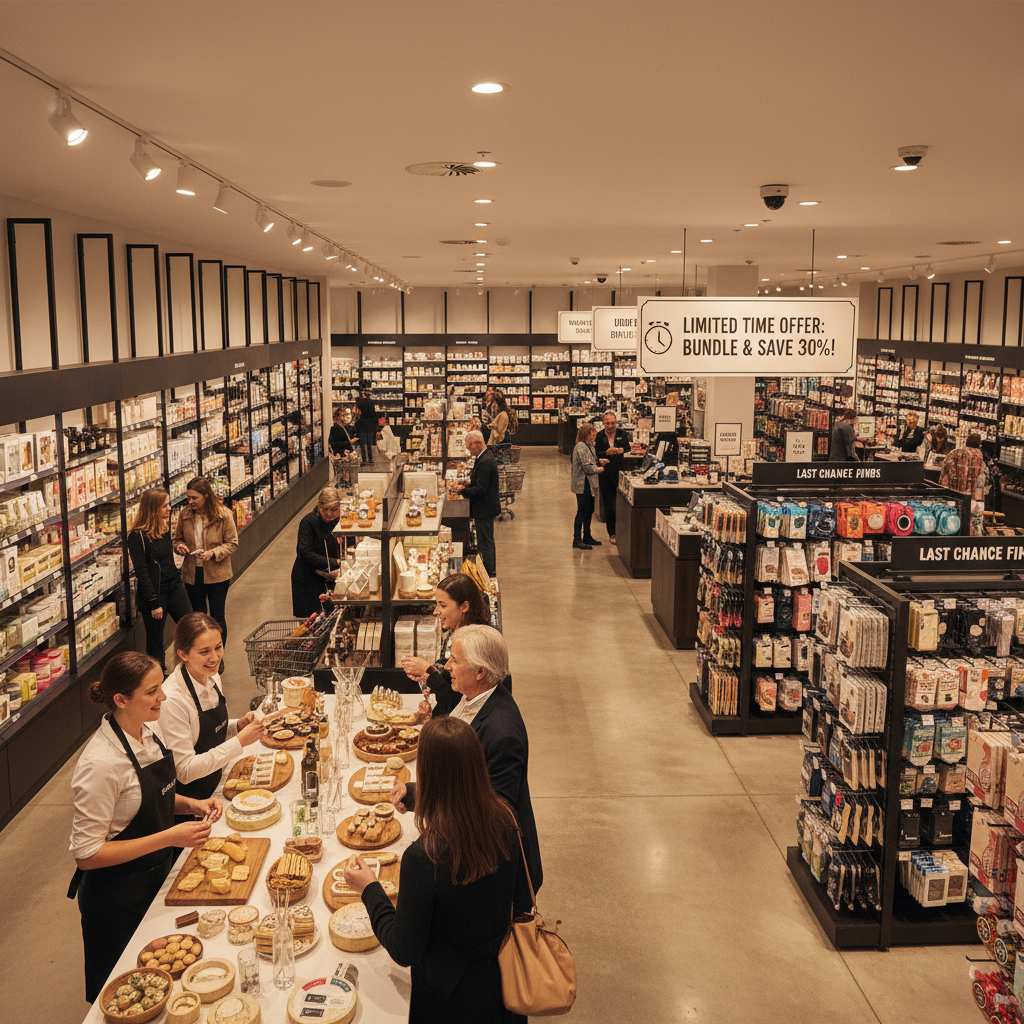
- Enhance your store environment to create immersive experiences that drive sales and loyalty.
- Utilize strategic pricing techniques to boost perceived value and encourage immediate purchases.
Summary of Retail Strategies
Unlocking Secrets: 4 Strategies Stores Use to Boost Spending presents essential approaches retailers leverage to enhance consumer spending. In a competitive market, understanding these methods can be pivotal for driving sales growth and customer loyalty. Key strategies involve enhancing the shopping experience, optimizing store layouts, applying strategic pricing, and fostering effective customer-staff interactions. Each tactic aims to create immersive environments that transform shopping into an engaging and enjoyable experience, ultimately leading to increased sales.
Enhancing the Shopping Environment
Creating an inviting shopping environment is crucial for influencing consumer behavior. This includes managing sensory elements like music, lighting, and scents, which collectively establish an appealing atmosphere. A well-thought-out environment not only encourages longer visits but also promotes impulse purchases, making shopping feel like an enjoyable experience rather than a mere transaction.
Visual Merchandising
Effective visual merchandising captures attention through attractive product displays and organized layouts, which stimulate purchasing desires. By strategically highlighting products and creating emotional connections, retailers can prompt spontaneous buying. Techniques like cross-merchandising—where complementary items are grouped—can effectively increase overall sales value, enticing customers to purchase beyond their initial intentions.
Store Atmospherics
The overall atmosphere of a store impacts customer experiences significantly. Elements such as lighting can dictate shopper pacing, while carefully curated music enhances brand connections. Positive sensory experiences not only improve shopping enjoyment but can also drive up spending through emotional engagement.
Optimizing Store Layout and Product Placement
Strategic store layout and product placement direct shopper behavior and enhance the customer experience. By aligning layouts with typical movement patterns, retailers guide customers toward high-margin products. Using data-driven insights allows for refined layouts that improve customer flow and target promotions effectively.
Structured layouts ensure essential items are highlighted, increasing the likelihood of purchases. Retailers also employ visual merchandising techniques to maximize impulse buying opportunities, creating organized environments that promote exploration of new or complementary products. Trial and error in arrangements can lead to improved sales over time, so continuous monitoring and adaptation are vital.
Pricing and Promotion Techniques
Psychological pricing and promotion methods are powerful tools for driving sales. Retailers use tactics like charm pricing to create perceived deals, encouraging purchases by manipulating price perception. Additionally, price bundling techniques enhance perceived value by offering combined savings that appeal to diverse consumer preferences.
Sales Promotions
Promotional offers such as discounts, BOGO deals, and tiered promotions stimulate spending and enhance customer engagement. These limited-time incentives not only incite immediate purchases but also promote brand loyalty through more extensive interactions with the retailer. The cumulative effect of such strategies boosts transaction values and customer retention.
Leveraging Customer Interaction and Staff Training
Well-trained staff are essential for elevating customer interactions and driving sales. Effective training focuses on fostering interpersonal skills and equipping employees with knowledge to enhance service delivery. This empowerment translates into memorable shopping experiences, leading to increased customer satisfaction and loyalty.
Sales techniques such as upselling and cross-selling enable staff to suggest additional products naturally, further enhancing transaction values. Personalized service deepens customer trust, crucial in an era where shoppers expect tailored experiences that resonate emotionally with them.
Additional Spending-Boosting Strategies
Retailers also implement diverse tactics to elevate spending. Enhancing the in-store experience encourages longer dwell times, while appealing packaging and low pricing attract impulse purchases. Offering free delivery options significantly impacts consumer choices, with many shoppers prioritizing these perks when selecting retailers.
Value-added services and engaging promotions encourage repeat purchases and brand loyalty. Moreover, leveraging social connections and targeting specific demographics can potentiate spending growth, as seen with retailers catering to specific audience segments.
Psychological Foundations of Spending-Boosting Strategies
Understanding impulse buying’s psychological underpinnings is critical for effective retail strategies. Emotional triggers and cognitive biases play a significant role in unplanned purchases, necessitating a shop environment that fosters positive experiences. Addressing decision fatigue through streamlined processes helps maintain engagement and promotes higher spending.
Case Studies and Measurable Outcomes
Research underscores the effectiveness of retail strategies in boosting customer spending. Positive staff interactions correlate with increased purchases, highlighting the importance of emotional engagement in retail environments. Pricing strategies, such as psychological pricing, effectively stimulate consumer demand, reinforcing the need for retailers to adapt continuously.
Criticisms and Challenges
Retail strategies face criticisms regarding their reliance on assumed consumer behaviors, which can backfire. For example, loss leader pricing risks reduced profitability if customers focus solely on discounted items without exploring further options. Balancing variety with simplicity is essential to avoid overwhelming consumers, a challenge retailers must navigate effectively.
Future Trends
As retail spending evolves, key trends will shape future strategies. Technological advancements streamline customer interactions, while sustainability concerns influence store designs. A focus on data-driven decision-making empowers retailers to adapt layouts based on consumer behavior effectively, enhancing experiential elements in physical stores.
As economic conditions stabilize, understanding and addressing customer needs will be critical for driving spending growth. Retailers that prioritize seamless and engaging experiences will likely thrive in the evolving marketplace.
The content is provided by Avery Redwood, ficustolife