Highlights
- Agricultural machinery auctions in 2026 are transforming access to advanced farming equipment.
- Explore innovative auction strategies to enhance investment and operational capabilities in agriculture.
Summary
Unlocking Opportunities: Seized Agricultural Machinery Auctions 2026 examines the critical role of agricultural machinery auctions in 2026. These auctions are becoming essential for farmers and agribusinesses to acquire equipment amidst challenges in new machinery supply and fluctuating market demand. With the shift towards advanced technology and digital platforms, auctions are enabling producers to optimize cost-effectiveness and enhance operational capabilities through competitive pricing and innovative financing options.
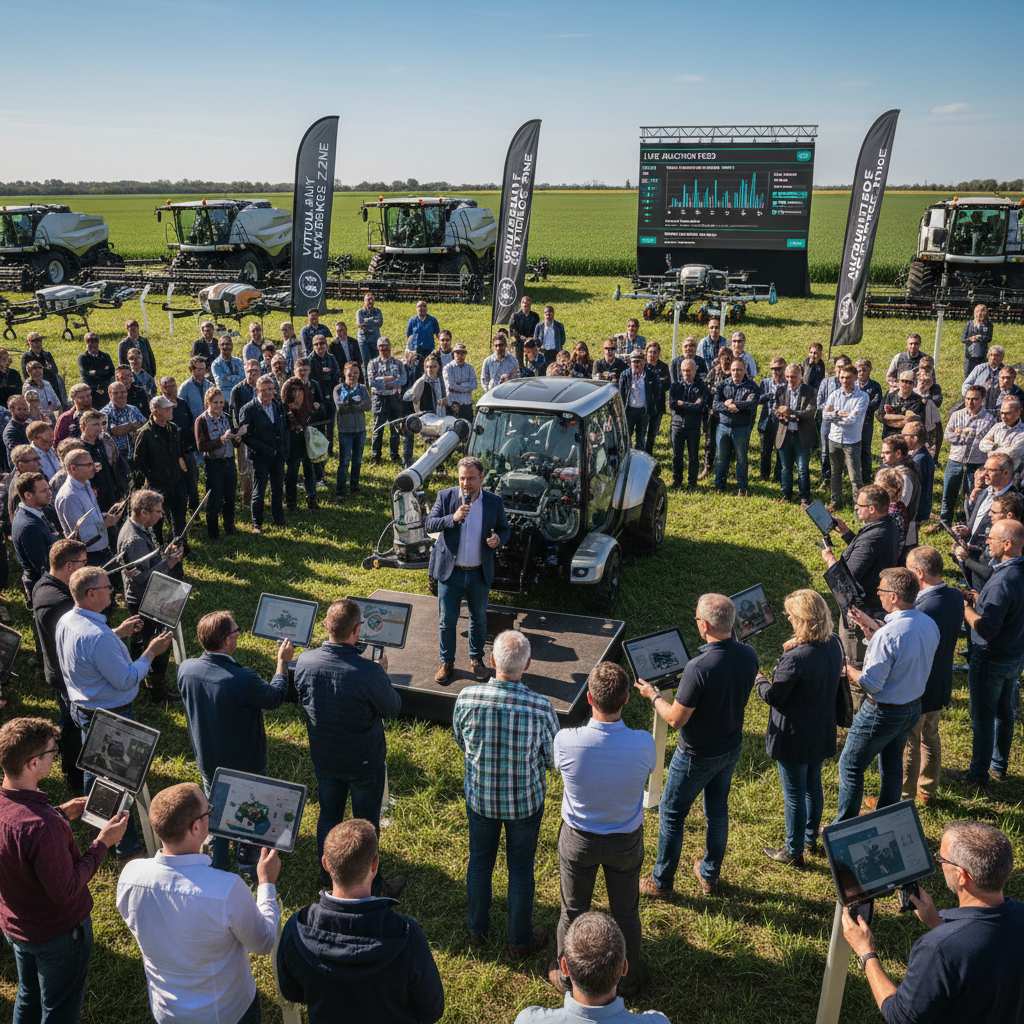
The auction landscape is evolving with the integration of virtual and augmented reality tools, allowing for wider accessibility and transparency. This trend aligns with the incorporation of technologically advanced machinery, such as autonomous tractors and precision agriculture systems, catering to the growing demand for sustainable farming solutions. As economic pressures impact new equipment purchases, late-model used machinery’s value and availability remain stable, helping farmers transition as operational needs change.
Market Trends in Auction Participation
Agricultural machinery auctions are now a prominent channel for acquiring both new and used equipment, offering wide-ranging choices due to digital integration. Enhanced transparency and ease of participation have led to buyer confidence, though economic limitations drive producers towards necessity-based equipment acquisitions. The ongoing popularity of late-model, low-hour used machinery reflects a strategic shift as producers balance operational demands against tight budgets, particularly in the face of high input costs and unpredictable new equipment receipts.
The auction market remains active despite reduced unit sales, with industries adapting to market conditions and leveraging auctions to fulfill specific equipment needs. Particularly strong segments, such as hay and forage machinery, underscore the importance of auctions in addressing regional supply-demand variations and stabilizing operational costs amidst changing agricultural landscapes.
Auction Process and Accessibility in 2026
The auction process in 2026 is characterized by a blend of in-person and online bidding, enhancing accessibility for buyers. Pre-registration is often necessary to confirm financial readiness, along with buyer premiums that could add about 10% to final prices. Payment terms vary greatly and may include additional fees, emphasizing the importance of being aware of these conditions before bidding.
The shift towards digital auctions has fostered a more inclusive environment, enabling farmers to engage efficiently with both local and global markets. Platforms that support interactive bidding and provide expert assistance during the auction process demonstrate how technology is redefining procurement strategies in agriculture.
Technological Advances in Auctioned Machinery
The 2026 auction landscape highlights significant technological advancements, focusing on automation and efficiency. Autonomous and semi-autonomous machinery, such as tractors equipped with AI capabilities, are increasingly present, reflecting producer demand for operational precision. Additionally, innovations in precision agriculture enable comprehensive data analytics, facilitating smarter farming practices and reducing environmental impacts.
Energy solutions, including electrification and connectivity enhancements, are also pivotal in shaping future agricultural machinery offerings. A focus on sustainability and efficiency drives the design of new equipment, positioning auctions as vital access points for cutting-edge technologies and environmentally conscious machinery.
Financing and Budget Management for Buyers
Financing options have evolved to cater to the needs of buyers in 2026, with leasing growth presenting flexible alternatives to traditional purchases. Specialized providers like AgDirect are adapting to market circumstances, offering competitive terms for both new and used machinery. These options help producers manage costs while still upgrading their equipment as needs arise, particularly when cash flow management is crucial.
Auction venues increasingly cater to diverse financing avenues, making it possible for producers to secure essential machinery without exhausting capital reserves. The structure and available incentives at these auctions further encourage timely investments as dealers navigate inventory challenges and supply constraints.
Volume and Regional Dynamics in Auction Markets
The agricultural machinery auction market in 2026 is characterized by a sustained demand for used equipment, driven by ongoing economic conditions affecting new inventory. While overall auction volumes may experience slight fluctuations, demand for late-model used machinery remains robust, especially as older farmers transition out of operations, contributing to a steady supply of quality equipment.
Regional variations in auction activity reflect local agricultural trends, including increased demand in areas recovering from droughts or affected by changing market dynamics. Digital auctions facilitate broader participation, aligning supply with regional demand and boosting overall market efficiency.
Participants Driving the Auction Ecosystem
The agricultural machinery auction landscape in 2026 features a range of stakeholders contributing to the marketplace’s dynamics. Producers, including independent farmers and agribusinesses, constitute a significant portion of buyers, seeking quality equipment at a value-driven cost. This necessity fosters activities around specific machinery categories, influenced by regional demand patterns.
Financial institutions play an essential role by providing tailored financing solutions to address agricultural producers’ unique requirements. As auction platforms digitize, both equipment dealers and investors recognize the emerging opportunities for growth and diversification within the agricultural machinery sector, leveraging technology to enhance transparency and engagement.
Challenges and Strategic Opportunities
The 2026 auction market faces certain challenges, notably the pressure on used equipment prices. However, these challenges simultaneously present opportunities for stakeholders to refine inventory strategies and cater to evolving buyer preferences. The necessity of navigating tight conditions is prompting dealers to position their offerings strategically, enabling the sale of quality late-model equipment amidst constrained new supplies.
Simultaneously, the growing trend of digital auction platforms introduces opportunities to expand market reach and enhance buyer engagement, making the auction environment more accessible and efficient. Enhanced auction technologies and innovations will likely continue reshaping how agricultural machinery transactions are conducted, facilitating a more dynamic marketplace.
Conclusion: Navigating the Future of Agricultural Auctions
The outlook for agricultural machinery auctions in 2026 indicates stabilization in equipment values alongside continuous innovation and technological advancement. Auctions are expected to remain pivotal channels for producers seeking quality machinery at competitive prices. The integration of financing solutions, coupled with advancing technologies, is likely to foster a healthier balance between supply and demand, allowing producers to effectively navigate challenges while advancing their operational goals.
The content is provided by Jordan Fields, ficustolife