Highlights
- Scholarships in Seoul offer extensive financial support for international students' education.
- Comprehensive integration resources help students adapt to Korea's unique cultural landscape.
Scholarship Opportunities for Studying in Seoul
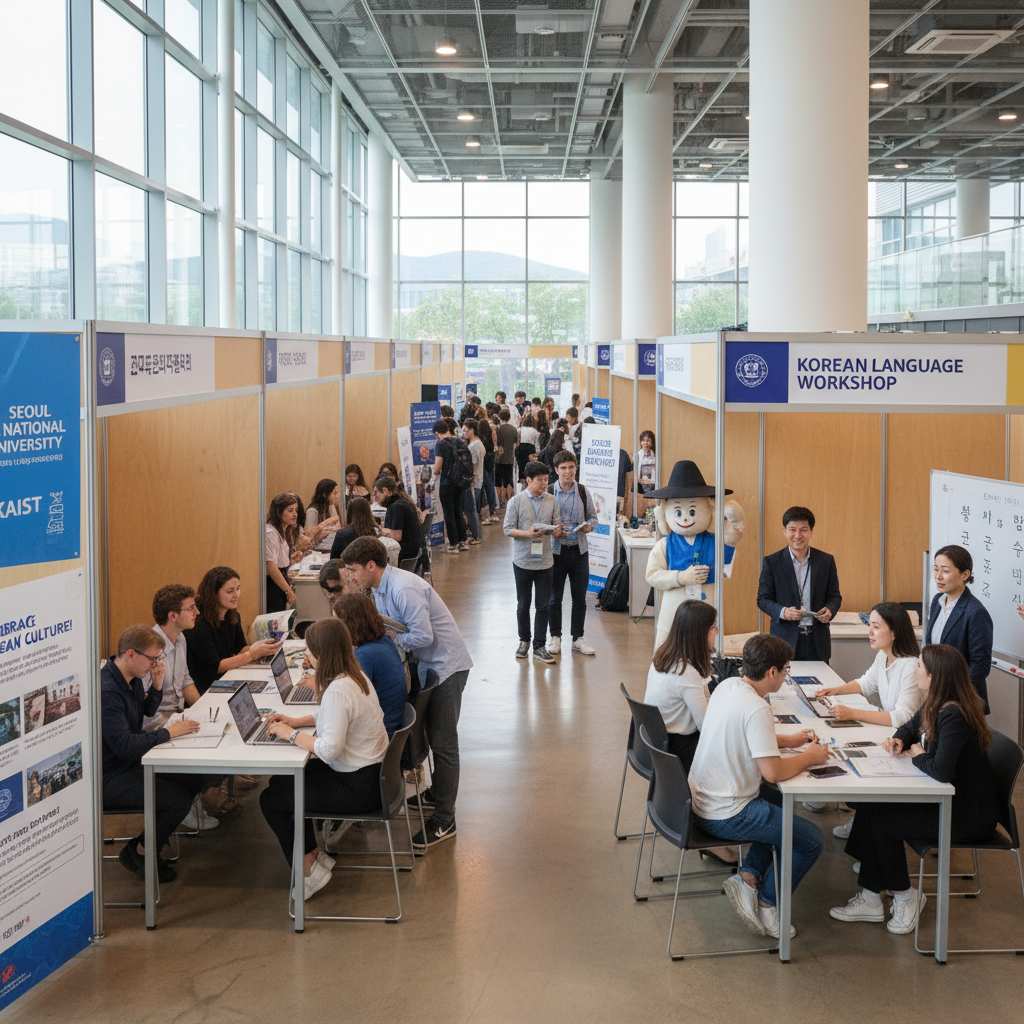
Unlocking Opportunities Scholarships to Study in Seoul provides various scholarship programs aimed at international students seeking higher education in Seoul, South Korea. With institutions like Seoul National University (SNU) and KAIST, the scholarships often cover essential expenses like tuition, living costs, airfare, and research expenses, making quality education more accessible.
Most scholarships target undergraduate, master’s, and doctoral students, with criteria focusing on strong academic performance and language proficiency. Potential applicants face uncertainties regarding their eligibility, application process, and the level of competition involved. Understanding the different tracks, such as the Embassy and University Routes, can help clarify the application journey and help applicants choose the most suitable path.
Key Scholarship Programs
Seoul is home to a variety of top-tier universities such as SNU, KAIST, and POSTECH, each offering numerous scholarship opportunities. These financial supports can include full tuition coverage, living allowances, and research funding. Highlighting these options can concentrate the search on specific programs that align with academic goals and financial requirements.
The Global Korea Scholarship (GKS), now a cornerstone of Korea’s scholarship initiatives, is geared towards cultivating global talent and offers comprehensive support across degree levels. Additionally, individual universities provide specialized scholarships that cater to various needs, from general academic merit to support for students from developing nations.
Eligibility Requirements
Eligibility for scholarships hinges on academic records, language skills, and meeting specific administrative criteria. Most scholarships demand proof of proficiency in either Korean or English, alongside a strong academic history, often defined by acceptable GPAs and standardized test scores.
For example, many scholarships require a minimum GPA of 3.0 or higher and relevant language certifications like TOPIK or IELTS. Applicants can alleviate confusion about eligibility by closely reviewing specific scholarship requirements, which may also include documentation like health insurance and academic transcripts.
Navigating the Application Process
The scholarship application process can be complex, involving multiple steps and two main tracks: the Embassy Track and the University Track. Each path presents unique processes and timelines, influencing an applicant’s likelihood of success. Choosing the right track based on personal circumstances can streamline the application process.
Embassy Track involves initial screening by the Korean Embassy, while University Track allows direct applications to chosen universities, providing a potentially faster experience. Understanding the nuances of both routes aids in effectively navigating the application landscape.
Scholarship Maintenance and Support
Successful applicants must maintain eligibility through consistent academic performance and by fulfilling scholarship conditions, such as maintaining a minimum GPA. Offering both financial support and additional resources, many programs include cultural integration services, such as language training and student counseling, to facilitate smoother transitions into academic and social contexts.
Universities actively foster international students by providing mentorship opportunities and encouraging involvement in cultural exchange programs that enhance the overall educational experience. Engaging with these services can significantly enrich a student’s time in Korea.
Overcoming Challenges
International students often encounter socio-cultural challenges, including language barriers and the need for social integration within a relatively homogeneous society. Recognizing that discomfort is common can help students adapt more successfully to these new environments. Encouragement from scholarship programs to seek language and cultural training can ease the transition into academic life.
Universities provide extensive support systems aimed at improving both language and social integration, enhancing the overall educational journey. This support plays a vital role in addressing the unique difficulties faced by international students and can mitigate issues such as homesickness and academic pressure.
Strategies for Scholarship Application Success
Securing a scholarship in Seoul necessitates careful preparation and a solid academic foundation, particularly achieving competitive GPAs and language scores. Recommendations include a proactive approach to meeting application requirements, such as securing strong letters of recommendation and submitting compelling personal statements that articulate academic and career aspirations.
Planning applications well in advance and ensuring all documentation is in order can significantly increase the chances of selection. Demonstrating a genuine interest in both cultural and educational experiences in Korea will further strengthen an application, helping to stand out in a competitive field.
Alumni Achievements
Past scholarship recipients showcase the impactful benefits of these programs, achieving significant successes in their academic and professional endeavors. These stories highlight how financial support combined with a dedicated commitment to integration and cultural exchange can lead to rewarding career paths and contribute positively to Korea’s global workforce. Alumni testimonies serve as motivational reminders of the potential growth and opportunities available through these scholarships.
The content is provided by Blake Sterling, ficustolife