Highlights
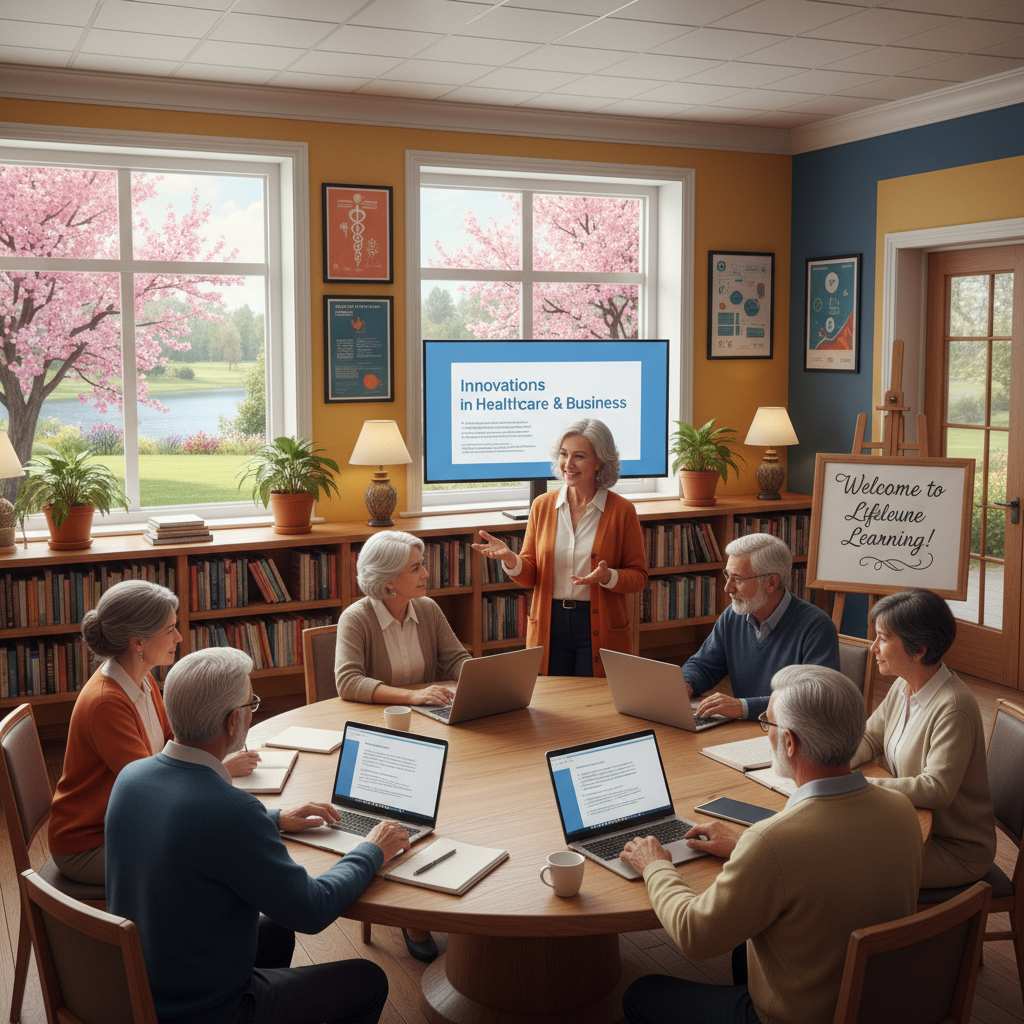
- One-year degree programs empower seniors with flexible and accessible education options.
- Engaging in these programs enhances cognitive function and fosters social connections for older adults.
Summary
One-year degree programs for seniors, designed for individuals aged 55 and above, provide accelerated pathways to earn academic credentials efficiently. These programs cater to older adults seeking to enhance their skills or transition into new careers, offering flexible scheduling to accommodate their unique needs. By recognizing prior experiences, institutions effectively reduce barriers to access, enabling seniors to pursue lifelong learning and personal enrichment through a variety of degree options, including associate’s, bachelor’s, and master’s degrees, as well as certificates.
These educational pathways emphasize practical subjects like business administration and healthcare, tailored for senior learners. While many institutions offer financial incentives, such as reduced tuition, seniors often encounter varying costs and eligibility criteria depending on their location. The cognitive and social benefits gained from engagement in these programs significantly contribute to improved mental health and social interaction, thus addressing issues like isolation that many older adults face.
Definition and Scope
One-year degree programs specifically aimed at seniors provide accessible and accelerated options for those interested in enhancing their education or pivoting to new careers. These programs frequently incorporate recognition of experiential learning, allowing seniors to drastically reduce the time needed to complete a degree. By offering flexible scheduling and a variety of start dates, institutions facilitate access for older adults, particularly benefiting those who may have faced challenges with traditional educational paths.
Additionally, these programs are often housed within divisions focused on continuing education, which are tailored to support mature learners and address their specific needs, thus minimizing informational barriers that could prevent participation.
Objectives and Key Features
The primary goal of one-year degree programs for seniors is to promote lifelong learning while addressing the unique goals of older adults. Participants can choose relevant topics aligned with both personal interests and career aspirations, fostering cognitive engagement and growth. Flexible learning structures, notably asynchronous courses, support seniors in balancing education with other responsibilities.
Key features include curricula focused on cognitive benefits and practical skills, enhancing both mental acuity and quality of life. Additionally, the availability of cost-effective formats enables faster returns on educational investments, while opportunities for social connection contribute to a community-centered learning environment that extends beyond academic achievements.
Types of One-Year Degree Programs for Seniors
Seniors can choose from various one-year degree programs tailored to their needs, including master’s, bachelor’s, and associate degrees, as well as certificates. These offerings are structured for flexibility, allowing seniors to integrate education into their existing lifestyles.
Master’s Degree Programs
Accelerated master’s programs, such as those in education or business, allow seniors to achieve advanced qualifications online, promoting dynamic learning while accommodating other life commitments. Rigorous academic standards remain intact, ensuring meaningful educational experiences.
Bachelor’s Degree Programs
Some bachelor’s programs provide accelerated options or accept transfer credits, allowing seniors to complete degrees in diverse fields quickly. These include business, healthcare, and creative arts, often incorporating previous experiences to reduce required coursework.
Associate Degree Programs
Associate degrees serve as introductory qualifications for further studies, requiring completion of focused credit hours. These programs are typically housed in divisions geared towards adult learners, providing a manageable option for building foundational knowledge.
Certificate and Alternative Programs
Seniors also have access to shorter-term certificates and micro-credentials, ideal for targeted skill development without the commitment of full degree programs. Many options are offered online or in hybrid formats, catering to diverse learning preferences.
Tuition and Credit Considerations
Financial assistance, such as tuition waivers for seniors, often makes higher education more accessible. However, state-specific policies regarding credit transfer and fee structures should be reviewed by seniors to ensure financial understanding and aid alignment.
Financial and Logistical Factors
Beyond tuition, seniors need to account for additional expenses, including textbooks and course-related fees. Careful selection of programs should align with personal interests and financial circumstances to navigate these costs successfully.
Academic Fields and Course Offerings
One-year degree programs encompass a range of fields tailored to mature learners, including marketing, healthcare, and technology. Community colleges contribute significantly by offering varied courses that stimulate cognitive function and enrich life experiences across diverse disciplines.
When selecting courses, seniors should prioritize core classes pertinent to their major, supplemented by electives that maintain engagement. Competitive course fees generally remain affordable, promoting access to educational portfolios without financial strain.
Enrollment and Admission
Enrollment policies often favor senior learners, providing opportunities for tuition-free courses at many institutions. However, the capacity-based enrollment means seniors should be proactive and informed about availability. Eligibility criteria can vary, emphasizing the need for seniors to check with each institution.
Flexible options such as online courses enable older students to navigate academic paths that align with their personal situations, ensuring that education is accessible and relevant to their goals.
Pedagogical Approaches and Learning Methods
Diverse teaching methods enhance one-year degree programs, integrating blended learning models that support flexible engagement. Intergenerational learning experiences can enrich educational environments, fostering social interactions that benefit all participants while also meeting specific needs of older adults.
Active collaboration and reflection within learning spaces can significantly improve outcomes, making education a transformative process tailored to the strengths and challenges of senior students. Ensuring appropriate accommodations and supports remain available enhances accessibility and promotes success within these programs.
Accreditation and Quality Assurance
Rigorous accreditation processes safeguard the quality of one-year degree programs, assessing alignment with educational standards and relevance to the needs of older adults. Accreditation status is essential for ensuring widespread recognition of qualifications and eligibility for financial aid.
Seniors are encouraged to verify program accreditation before committing, as it directly influences the value of their educational investment in terms of career opportunities and credibility in the professional landscape.
Financial Considerations
Seniors contemplating one-year degree programs should assess their financial landscape, noting that while tuition waivers exist, additional costs may persist. Careful budgeting and planning are critical to effectively engaging in educational experiences.
Federal financial aid remains accessible, providing options such as grants and loans that can alleviate some financial burdens while empowering seniors to pursue diverse fields of study relevant to their career and personal interests.
Support Services and Accommodations
Support services tailored to older learners foster academic success, offering advising and tutoring that assist in navigating educational pathways. Ensuring that seniors have access to these resources is crucial for enhancing their learning experience.
Engagement in peer support programs can also be advantageous for social and academic development, mitigating feelings of isolation and encouraging community-building among senior students.
Cognitive and Social Benefits
Enrolling in one-year degree programs yields substantial cognitive and social benefits for seniors, including enhanced mental function and reduced isolation. Educational engagement is linked to improved mental health and greater social connectivity, vital elements for well-being.
Participating in service-learning opportunities further enriches educational experiences, facilitating generational engagement that benefits all participants and promotes a supportive community atmosphere.
Challenges Faced by Senior Students
Challenges for older adults in education often stem from dispositional, situational, and institutional barriers. Factors like health issues, competing responsibilities, and financial limitations can discourage participation in educational programs.
Institutions strive to address these barriers through tailored support services, yet opportunities for improvement remain critical in ensuring accessible and equitable learning environments for seniors.
Case Studies and Success Stories
Success stories from older learners highlight the effectiveness of specialized educational programs in fostering cognitive engagement and community connection. Initiatives that recognize and support the unique perspectives of older adults empower them to excel and contribute positively to their educational environments.
Participating in mentorship initiatives can significantly enhance accountability and social interaction, leading to an increased sense of belonging within educational settings. These narratives emphasize the potential of seniors to thrive in academic pursuits when provided with the right frameworks and support systems.
Future Trends and Developments
The trajectory of one-year degree programs for seniors is shaped by demographic shifts and innovations in educational delivery. Increased enrollment among older students is prompting institutions to expand and adapt their offerings, focusing on skills relevant to evolving job markets and personal growth.
Emerging fields and online platforms are pivotal in enhancing access, allowing seniors to further their education on their terms while actively engaging with their communities. Programs are increasingly being designed to support cognitive health, emphasizing the importance of continual learning across the lifespan.
Resources and Networks
A wealth of resources and networks support seniors in their pursuit of one-year degree programs, including advice on course selection and career enhancement opportunities. Engaging with peer support initiatives can foster community and accountability, vital in sustaining engagement throughout their academic journey.
By utilizing available resources effectively, seniors can make informed choices that align with their educational and professional aspirations, enriching their lives through continuous learning and engagement in their fields of interest.
The content is provided by Harper Eastwood, ficustolife