Highlights
- Uber Carshare connects vehicle owners and drivers, offering flexibility in car rental options.
- Sustainability initiatives like the Go Electric bonus enhance driver support and promote electric vehicle adoption.
Unlocking Opportunities with Uber Car Rentals
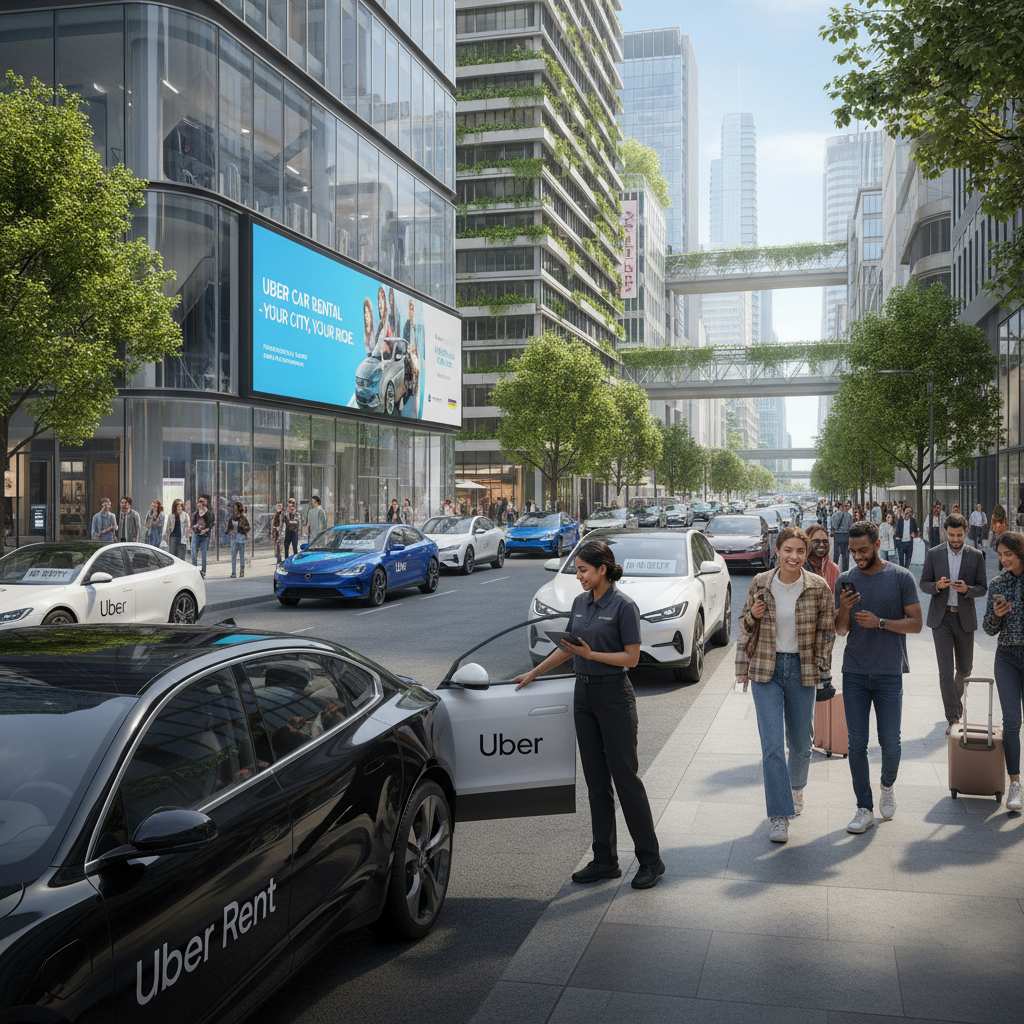
As Uber evolves its car rental services in 2026, users face decisions about how to utilize these offerings effectively. With programs like “Uber Carshare,” users can rent vehicles through a peer-to-peer network, posing a competitive alternative to traditional rental services. Understanding the flexibility of rental options—including app-integrated bookings and the availability of electric vehicles—can simplify decisions about which service best meets individual driver needs.
Uber’s focus on sustainability enhances the appeal of its rentals. Users can benefit from incentives like the $4,000 Go Electric bonus for adopting electric vehicles. This financial motivation, coupled with flexible pricing models based on driver activity, aims to make renting more accessible while supporting driver engagement in environmentally friendly practices.
However, the car rental landscape isn’t without challenges. Insurance complexities, varying liability requirements based on location, and driver classification legalities introduce uncertainties that users must navigate. Being informed about these factors will aid in making better decisions regarding the associated risks and responsibilities of driving for Uber and its rental options.
Service Flexibility and Vehicle Options
Users will find that Uber offers a myriad of options designed for varied rental needs, including short-term and long-term arrangements. All bookings are seamlessly managed through the Uber app, where users can select from a wide range of vehicles provided via partnerships with companies like Avis and Hertz. Understanding rental periods that fit their usage—whether for earnings through ridesharing or for personal needs—will help users make the most of these offerings.
Accessibility to a diverse fleet, encompassing both gasoline and electric vehicles, reinforces Uber’s commitment to sustainable mobility. This variety allows drivers to select cars based on preference and operational needs, aligning rental options with personal and business goals.
Streamlined Booking Procedures
Booking a rental vehicle through Uber requires users to reserve at least two hours prior to pickup, complete identity verification, and regularly upload documentation within the app. Familiarity with the booking process, including potential fees and terms set by rental partners, will ensure users can efficiently manage their rentals without unexpected obstacles.
Additionally, various cancellation policies may apply across partnerships, offering flexibility for changes. Understanding these policies can help users avoid unnecessary costs and enhance their overall experience with the service.
Cost Structures and Financial Considerations
Uber offers competitive pricing models ranging from weekly rates starting around $260 to flexible hourly rentals through partnerships. Knowing these pricing details will enable users to assess their financial commitments based on anticipated rental usage. The incentive models tied to driver engagement, such as the potential for zero rental costs for active drivers, present significant opportunities for cost savings.
Comparing these costs against traditional rental options can help validate whether Uber’s offerings align with individual budgeting needs and operational feasibility. It’s important to keep in mind that pricing is subject to change and may include additional fees, so reviewing rental terms is essential for sound decision-making.
Insurance and Liability Considerations
Understanding the insurance landscape is crucial for Uber drivers. Insurance policies vary by jurisdiction, requiring careful evaluation of coverage adequacy against local regulations. Although Uber provides basic insurance coverage, the presence of gaps necessitates the consideration of additional endorsements for enhanced protection, especially given substantial differences in state requirements.
With new legislation impacting labor classifications, ensuring proper insurance coverage is doubly important for independent drivers. This trend underlines the need for robust personal auto insurance that meets or exceeds state demands, reflecting how users can protect themselves amid evolving legal and financial landscapes.
Driver Support and Earning Potential
The introduction of unionization rights for gig workers aims to enhance labor protections for drivers, while Uber’s various support programs provide further assistance with vehicle costs. The potential for significant earnings—ranging from $3,000 to $6,000 monthly depending on various factors—highlights the financial incentives of driving through Uber, contingent on effective vehicle management and adherence to operating costs.
Moreover, drivers need to consider the implications of their vehicle choice on profitability—factors like vehicle condition, maintenance costs, and rental fees play a pivotal role in ultimately dictating net earnings. Familiarity with rental programs, particularly the cost versus return on investment, will empower users in their driver roles.
Competitive Landscape and Future Outlook
As competition intensifies, particularly in delivery services, Uber’s diversified offerings position it well against rivals. The company’s strategic initiatives leverage technology to improve user experience and operational efficiency, ultimately reinforcing its competitive edge in the market. Understanding these dynamics will guide users in evaluating how to integrate Uber’s services into broader mobility needs.
Future advancements in autonomous vehicle technologies present further opportunities for users interested in cutting-edge mobility solutions. By staying informed about technology integration and market expansions, users can better align their choices with emerging trends in the ridesharing and rental industries, ensuring continued relevance and access to innovative services.
The content is provided by Harper Eastwood, ficustolife