Highlights
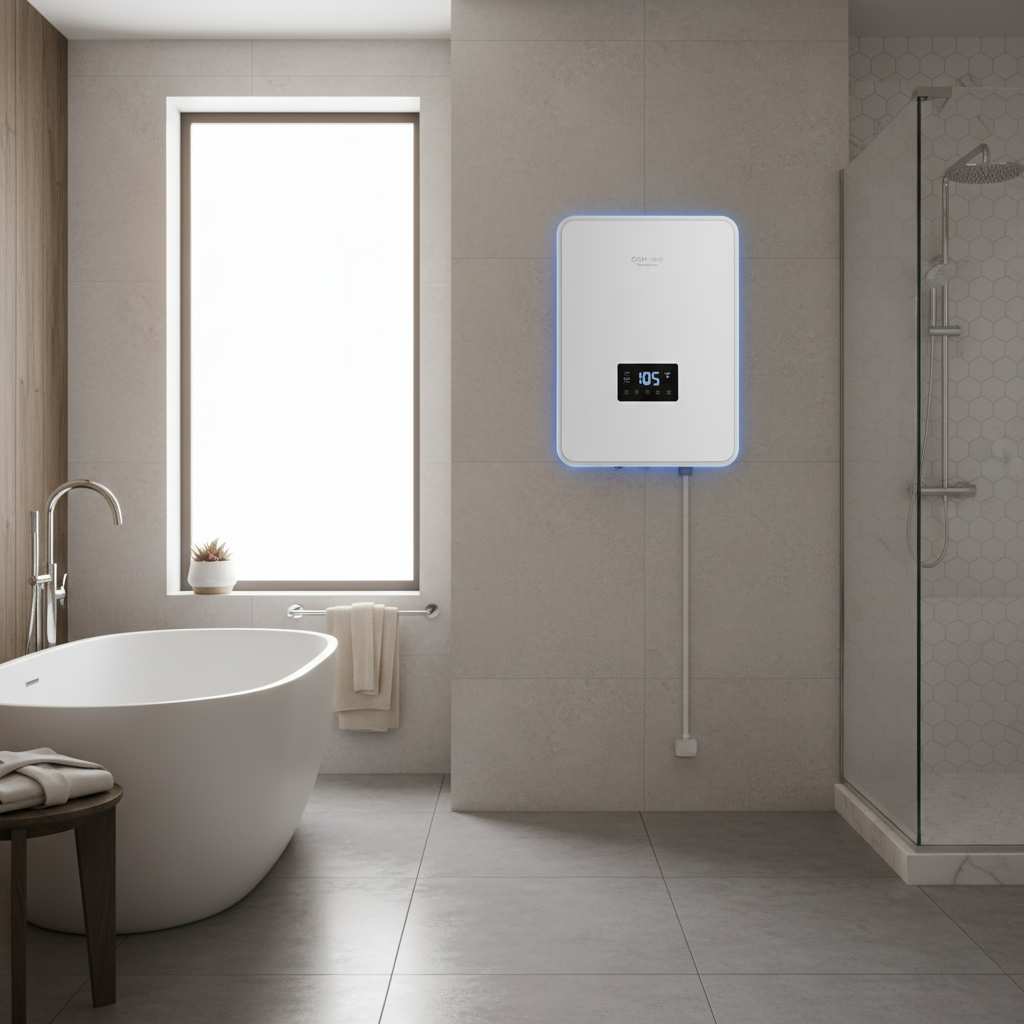
- Tankless electric water heaters offer energy efficiency and space-saving benefits for consumers.
- Pairing these heaters with renewable energy sources enhances sustainability and reduces emissions significantly.
Summary
Tankless electric water heaters provide hot water on-demand, eliminating the standby energy losses seen in traditional water heaters. Their growing popularity in North America stems from their efficiency and compact design, though some users face challenges such as high initial costs and the need for electrical system upgrades. Although they offer notable energy savings, their effectiveness may be limited based on local electricity sources and utility billing structures, with some consumers questioning cost-effectiveness compared to other water heating technologies.
Understanding Benefits and Limitations
Tankless electric water heaters are attractive for those prioritizing energy efficiency and space savings. By heating water only as needed, they can be up to 34% more efficient for low to moderate water use compared to conventional systems, reducing energy bills significantly. However, the initial installation can be costly, and the need for potential electrical upgrades creates uncertainty about overall savings, especially in homes with high hot water demand or where demand charges apply on utility bills.
Design and Internal Mechanics
These systems activate a flow sensor when a tap is turned on, triggering heating elements to raise water temperature instantly. The design allows for a compact footprint, suitable for various installations. Advanced models may include hybrid components that combine tankless efficiency with small storage capabilities, which enhance performance for higher simultaneous usage but add complexity to the installation.
Energy Efficiency Metrics
While tankless electric water heaters can achieve comparable efficiency ratings to traditional storage water heaters, the lack of ENERGY STAR certification raises questions about their long-term viability. Efficiency is often expressed in metrics like the Uniform Energy Factor (UEF), with tankless models showing improved performance under specific conditions. Still, their effectiveness is affected by energy source sustainability, making them more favorable in regions with renewable energy infrastructure.
Installation Considerations
Installation of a tankless electric water heater involves significant electrical modifications, including verifying the home’s main electrical service to accommodate high amperage demands. This can complicate the process, often requiring experienced professionals to ensure code compliance and safety. Installation costs can range widely but are generally higher than traditional models, influenced by the need for potential electrical upgrades.
Cost Analysis and Economic Feasibility
The higher upfront costs associated with electric tankless water heaters require careful financial consideration against long-term savings. Monthly operating costs are significantly lower than those of traditional models; however, the payback period may stretch to 20 years or more due to high initial investments and variable local electricity rates. Homes in new construction or those undergoing significant renovations might find the transition more economically viable.
Environmental Impact
The environmental benefits of tankless electric water heaters depend primarily on the electricity source. In regions where electricity is derived from renewable sources, their use can drastically reduce fossil fuel dependence and greenhouse gas emissions. However, the benefits diminish in areas reliant on fossil fuels, pointing to the importance of evaluating local energy mixes before making a decision.
Maximizing Energy Efficiency
To optimize energy savings, consider selecting renewable energy suppliers or integrating solar installations. Properly addressing installation standards and conducting regular maintenance, like descaling, can enhance efficiency and prolong equipment life. Understanding your household’s hot water consumption can lead to more informed choices, guiding the selection between tankless and traditional models based on specific needs and potential savings.
Conclusion
While tankless electric water heaters present numerous advantages such as energy efficiency and compactness, potential users should weigh these benefits against installation complexities and cost considerations. A thorough evaluation of personal usage patterns and local electrical conditions will provide a clearer picture of whether this technology meets individual heating needs effectively.
The content is provided by Sierra Knightley, ficustolife