Highlights
- State Farm's auto insurance rates are stabilizing nationally with a moderate average increase of 4%.
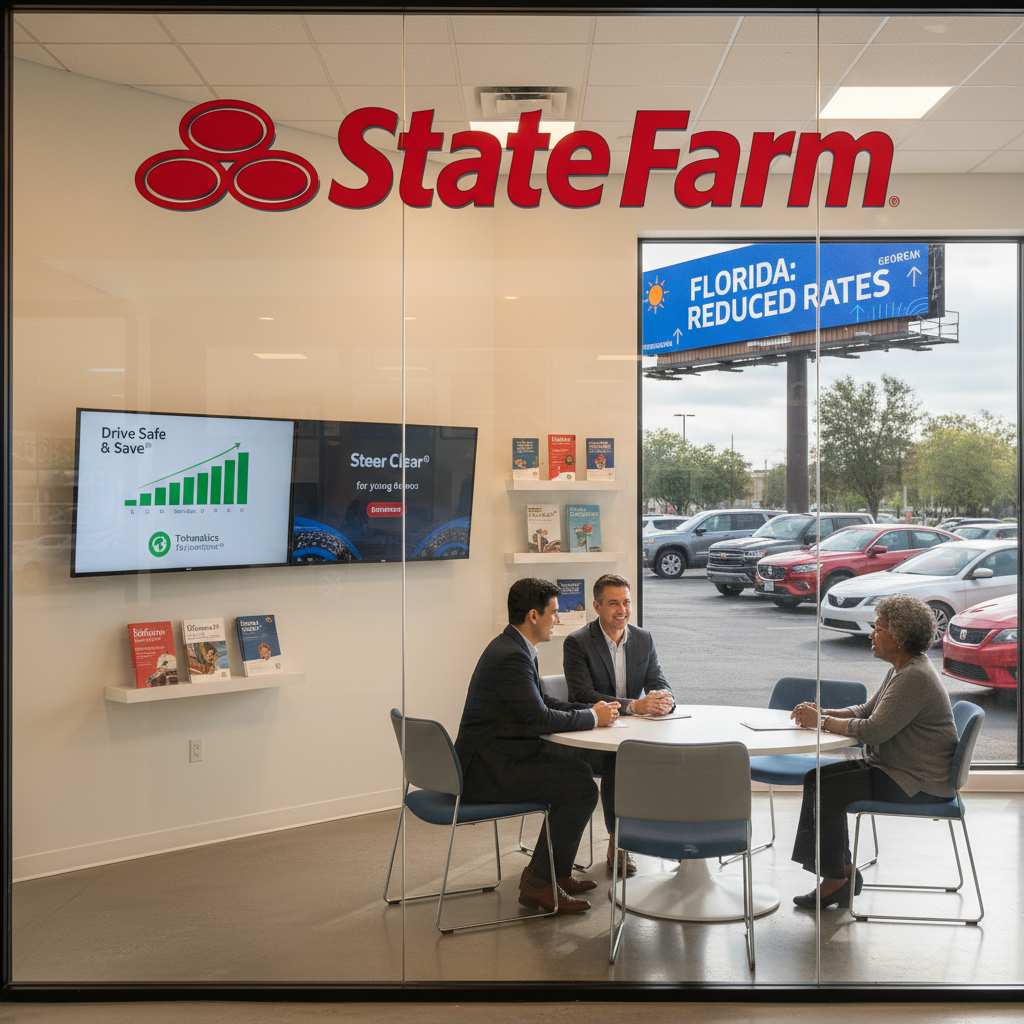
- Save up to 30% with State Farm's safe driving programs like Drive Safe & Save®.
Summary of State Farm Auto Insurance in 2026
State Farm, a leading auto insurance provider in the U.S., is adapting its pricing strategy as it enters 2026. Key factors influencing rates include driver age, location, vehicle type, and updated underwriting guidelines. In this year, rates are stabilizing nationally with an average increase of about 4%, contrasted with previous steep hikes, while some regions, like Florida, are experiencing significant reductions due to improved claims conditions. Understanding these trends and geographic variations is crucial for policyholders assessing their coverage options.
Overview of State Farm Insurance
Founded in 1922, State Farm operates primarily in the property and casualty insurance market, with a prominent focus on auto insurance. The company’s mutual structure, which means it is owned by policyholders rather than shareholders, uniquely positions it to prioritize customer needs. Through continuous innovation and a wide range of products, including commercial and specialized insurance, State Farm underscores its financial strength and commitment to enhancing customer service and operational efficiency.
Key Factors Impacting Auto Insurance Rates in 2026
Several critical factors directly influence auto insurance premiums for adults in 2026. These include driver age—where younger and older drivers typically incur higher premiums—alongside driving behavior and participation in safety programs which can lead to substantial discounts.
Driver Age and Experience
Insurance pricing is heavily influenced by age, as younger drivers under 25 and seniors over 65 face higher premium rates due to accident risk. Statistical data show that insurance costs fluctuate based on the age and experience of drivers, with younger adults seen as higher-risk due to limited driving history.
Safety Programs and Driving Behavior
Engaging in safe driving practices can significantly lower premiums, with programs like Drive Safe & Save® and Steer Clear® offering potential discounts for tracking driving habits. Such initiatives encourage safer behavior on the road, ultimately resulting in reduced insurance costs.
Coverage Selections and Deductibles
The type of coverage and chosen deductibles have a direct impact on premium amounts. Selecting higher deductibles can lead to lower premium costs, while comprehensive coverage options can increase premiums. Policyholders should assess their individual needs to optimize coverage and expenses.
Geographic Influences
Your location significantly affects auto insurance rates, influenced by local accident rates, theft statistics, and claims history. For example, Florida drivers are experiencing notable rate reductions, making it essential for policyholders to understand regional market dynamics to make informed decisions.
Vehicle Characteristics and Safety Features
Newer cars equipped with advanced safety features generally qualify for lower insurance rates, reflecting their potential to mitigate accident severity. Being informed about which vehicles offer the best rates and safety features can help consumers make smarter purchasing choices.
Regulatory changes are also reshaping the landscape; for instance, consolidating vehicle policies under a single number could affect coverage levels and require a thorough review of existing policies to ensure adequate protection.
State Farm Auto Insurance Rates in 2026
In 2026, State Farm’s auto insurance rates demonstrate regional adjustments amidst national stabilization. With an estimated national average premium of $2,635, Florida’s reduction strategy exemplifies more than 20% savings for many policyholders. These changes reflect engagement with improved claims data and competitive pressures in the market.
Advancements in Risk Evaluation and Pricing Models
The evolution of State Farm’s risk assessment and pricing models emphasizes incorporating advanced data analytics and technology. By utilizing telematics such as Drive Safe & Save, the insurer can personalize rates and detect risks more efficiently, rewarding careful drivers while refining their pricing strategies. This approach ensures rates remain competitive and reflective of individual risk profiles.
Underwriting Guidelines for 2026
Changes in underwriting guidelines reflect ongoing regulatory requirements and market conditions. State Farm is expected to implement rate reductions based on improved claim trends, with existing customers likely to see a shift in their premiums based on individual policy details. Additionally, programs rewarding safe driving remain integral to their underwriting process, promoting accountability among policyholders.
Discounts and Savings Opportunities
State Farm offers various discounts aimed at ensuring affordability while promoting safer driving. For instance, the Steer Clear® program provides education and discounts for young drivers, while the Drive Safe & Save program encourages safe driving through tangible savings. Consumers could explore multiple discounts, bundling offers, and adjust deductibles to align their costs with their financial situations.
Regulatory Context Impacting Insurance
State regulations shape the insurance landscape, impacting pricing, availability, and consumer protection measures. Changes, such as new laws in Colorado for increased transparency, showcase the evolving regulatory environment and its implications on policy and pricing strategies. Understanding these regulations can help consumers navigate their options effectively.
Consumer Guidance for Choosing Insurance
As 2026 approaches, it’s imperative for consumers to remain proactive in reviewing their policies and seeking personalized quotes for auto insurance. Comparing offers from State Farm and other providers will help ensure that drivers secure the most favorable coverage and rates. Given the potential for variability in premiums and coverage in different regions, regular evaluations are advisable to adapt to changing needs and market dynamics.
Trends Influencing Future Rates
The insurance industry is currently experiencing a shift towards moderated rates following significant increases earlier in the decade. Advances in risk management and safety technologies significantly influence insurance costs. As consumers prepare for potential changes in the first half of 2026, strategic planning and market awareness will be imperative for securing cost-effective coverage.
Future Outlook for Auto Insurance Rates
Looking ahead, analysts predict that the most intense increases in auto insurance premiums are subsiding, with a projected average increase of around 4% for 2026. This slowdown reflects positive trends in claims data and economic conditions. For State Farm customers, these fluctuations might result in improved rates and programs that align with changing market demands, emphasizing the need for proactive engagement with insurance providers.
The content is provided by Harper Eastwood, ficustolife