Highlights
- Senior living communities blend independence, convenience, and care for older adults' well-being.
- Engage with tailored programs that enhance quality of life and support healthy aging.
Summary
When evaluating senior living options, understanding the distinct characteristics of independent and assisted living communities is essential. Independent living caters to those aged 55 and older who seek a maintenance-free lifestyle with social activities but need minimal medical support. In contrast, assisted living communities provide personalized help with daily activities and some medical care, ideal for individuals needing additional support while maintaining a level of independence. Both types of communities focus on enhancing residents’ quality of life through wellness programs and social engagement. However, awareness of regulatory differences is crucial, as state regulations can affect care quality and availability, which may contribute to challenges such as staffing shortages.
Overview
Senior living communities offer tailored environments that foster both independence and support for diverse needs. Independent living suits active seniors wanting a hassle-free lifestyle, while assisted living caters to those needing assistance with daily tasks alongside necessary health care. These environments emphasize holistic well-being, promoting not only physical health but emotional support and social interaction crucial for an enriched quality of life. Programs that focus on wellness, recreational activities, and chronic disease management are common, creating vibrant communities that encourage continued independence and engagement.
Types of Senior Independent Assisted Living Communities
Seniors can choose between independent living and assisted living based on their care needs. Independent living communities support individuals who desire independence and offer amenities such as gardens and fitness programs that promote a vibrant lifestyle. These communities are diverse, ranging from golfing communities to retirement homes, and primarily assist seniors who can manage most daily activities themselves. On the other hand, assisted living communities cater to those who need extra help with daily living but do not require full-time nursing care, providing personalized support and facilitating a blend of safety and independence.
Services and Amenities
Understanding the services and amenities offered in both independent and assisted living can help seniors make informed decisions. Independent living facilities typically provide private apartments, housekeeping, wellness programs, and communal spaces that facilitate social interactions. For those in assisted living, essential services include personal care assistance, medication management, and 24-hour supervision, all tailored to individual needs. Both types of communities emphasize social engagement through diverse activity programs that contribute to residents’ emotional and physical well-being.
Eligibility and Admission
Determining eligibility for assisted living often hinges on the specific needs for daily assistance and health care. Admission criteria typically involve a health assessment to evaluate the level of care required. Many residents live with chronic conditions and may have behavioral health needs, making it crucial to match them with facilities that can meet their unique requirements. Financial eligibility is also significant, as most residents pay privately while exploring Medicaid options, which may offer limited coverage based on state policies. Understanding both care needs and financial resources is fundamental to finding the right match in assisted living.
Living Arrangements
Choosing between independent and assisted living arrangements depends largely on a senior’s level of care needed. Independent living communities prioritize comfort and social interaction with features designed for active lifestyles, whereas assisted living focuses on creating supportive environments for those needing help with basic tasks. These settings vary in their level of medical support, with assisted living offering more structured care to accommodate ongoing health needs. Both arrangements encourage community engagement through social activities, although they cater to different levels of independence and assistance.
Supporting Autonomy and Independence
Assisted living communities are uniquely positioned to promote residents’ autonomy while providing necessary support for daily activities. Services are tailored to help seniors maintain control over their routines, ensuring dignity, privacy, and safety. By emphasizing individual choice and comfort, these communities strive to enhance overall satisfaction and quality of life. Their environment is crafted to facilitate engagement and reduce stress, enabling residents to pursue hobbies and socialize freely while receiving support when needed.
Social Engagement and Community Building
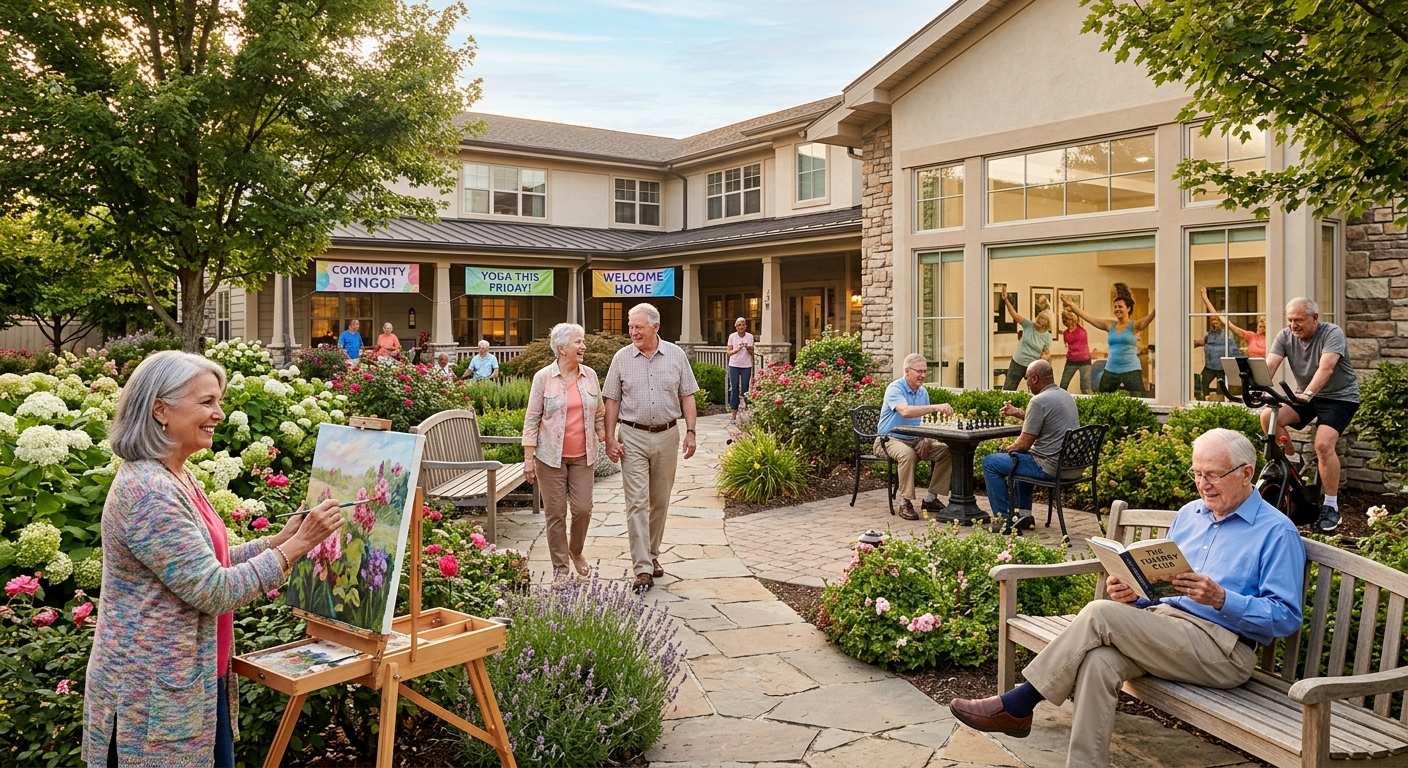
Social engagement is fundamental to the well-being of residents in both independent and assisted living communities. Offering diverse programming tailored to residents’ interests fosters connection and creativity, enhancing their experience. Activities such as group projects, exercise classes, and arts and crafts not only promote social interaction but also cater to varying levels of capability and preference. Mental health support and community counseling services help residents cope with challenges, further solidifying these communities as nurturing environments focused on overall wellness.
Staff and Care Providers
The quality of care in senior living communities is significantly influenced by staff qualifications and training. Assisted living facilities typically employ a team of healthcare professionals, including nurses and caregiving staff, dedicated to resident health and happiness. These employees undergo specific training regulated by state authorities to ensure safety and quality care. The ratio of staff to residents is also a critical measure, affecting care availability and personalized attention—a factor that families should consider when exploring different communities.
Regulatory and Licensing Information
Each state governs assisted living communities with its own set of regulations, affecting operational standards and care quality. These regulations often require licensing, staff training, and regular inspections to uphold safety and care standards. Facilities that serve specialized populations, such as memory care, may encounter additional requirements. Given the current landscape of evolving regulations, ongoing research and updates are essential for families seeking accurate information about care options and standards within their states.
Comparison with Other Senior Living Options
Comparing senior living options is vital for making informed decisions based on individual needs and preferences. Independent living caters to active seniors wanting minimal assistance, while assisted living provides necessary support under more structured care settings. Nursing homes offer intensive medical care for those requiring 24-hour supervision, while memory care provides specialized environments for individuals with cognitive challenges. Understanding these distinctions helps families select the most suitable option that aligns with their loved ones’ health status and lifestyle preferences.
Current Trends and Developments
The landscape of senior living is rapidly evolving to better serve aging populations. Increased integration of technology aims to streamline operations and improve care efficiency amidst staffing challenges. The emergence of Continuing Care Retirement Communities (CCRCs) offers a continuum of care model that supports residents as their needs change without relocating. Regulatory updates are also being implemented to adapt to contemporary care philosophies, and there is a stronger focus on wellness programming. These developments reflect a broader commitment to enhancing resident independence and quality of life through supportive, responsive environments.
The content is provided by Avery Redwood, ficustolife