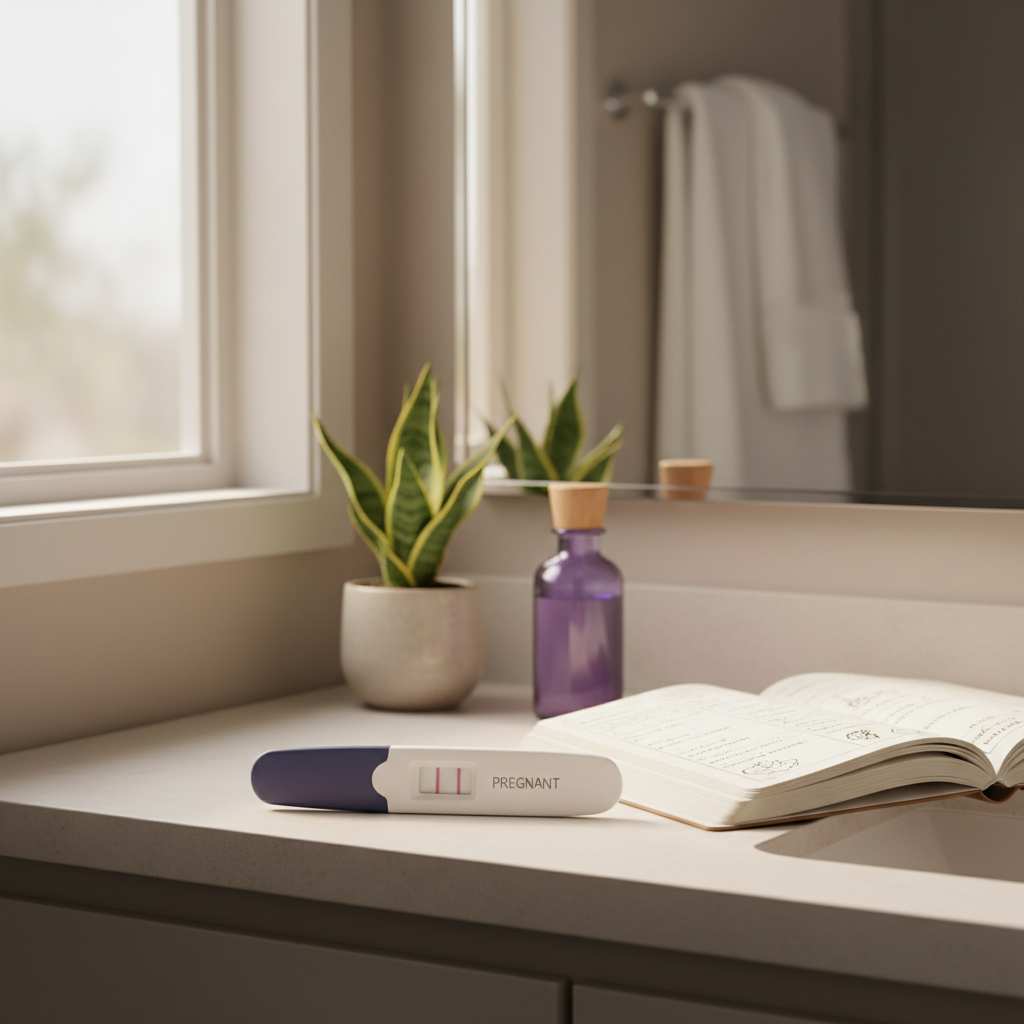
Highlights
- Pregnancy tests enable timely decisions in reproductive health through accurate hCG detection.
- Advances in test technology enhance reliability, emphasizing the importance of professional consultation for clarity.
Summary
Accurately detecting early pregnancy is crucial and relies on measuring the hormone human chorionic gonadotropin (hCG), produced shortly after embryo implantation. There are two main types of pregnancy tests: urine tests are convenient for home use, while blood tests, conducted in clinical settings, provide greater sensitivity and earlier detection. Despite their widespread application, the reliability of these tests hinges on factors such as timing, sample quality, and correct usage, with improper testing potentially leading to false results.
Types of Pregnancy Tests
Pregnancy tests detect hCG, produced when a fertilized egg attaches to the uterine lining. The primary options include urine tests, commonly available for home use, and blood tests, which provide more sensitive measures of hCG concentrations.
Urine Pregnancy Tests
Urine tests are accessible at home and utilize immunoassay technology to detect hCG through lateral flow designs. High-sensitivity tests can identify hCG as low as 20-50 mIU/mL, allowing for detection around 10-11 days post-conception, while low-sensitivity tests operate at higher thresholds for clinical confirmation functions. The first morning urine is recommended for the highest accuracy as dilution may lead to false negatives; however, certain medical conditions can cause false positives and variability between brands can affect result timing.
Blood Pregnancy Tests
Blood tests require a healthcare visit and can detect hCG as early as 7-10 days post-conception, making them useful for monitoring early pregnancies and fertility treatments. Quantitative blood tests specifically measure hCG levels down to 5 mIU/mL, ensuring precise assessment of pregnancy progression and potential complications.
Biochemical Basis of Pregnancy Tests
Modern pregnancy tests focus on hCG detection, produced by early embryonic cells. As levels increase during the first trimester, immunoassays that target specific hCG subunits ensure reliable detection by employing sensitive antibodies. These methods allow tests to identify hCG accurately, despite structural similarities to other hormones, thus minimizing the risk of cross-reactivity.
How Pregnancy Tests Work
Pregnancy tests function by identifying hCG in blood or urine, indicating a pregnancy after the fertilized egg implants into the uterine lining. While blood tests can detect hCG earlier than urine tests, at-home tests remain popular due to their convenience and near 99% accuracy. Consulting a healthcare provider for a confirmation and next steps is advisable following a positive home test.
Timing and Accuracy of Pregnancy Tests
Correct timing is critical for test accuracy, with urine tests providing reliable results around the expected period date. Blood tests can detect hCG levels earlier but require laboratory processing. To minimize false negatives, especially from older test models, testing after a missed period and promptly reading results within the recommended time frame are essential for valid outcomes.
Interpreting Test Results
Positive results indicate pregnancy but can be influenced by factors such as user error and residual hCG from previous pregnancies. False positives can arise from medications or medical issues. Conversely, false negatives often come from early testing or improper use, emphasizing the importance of confirmation through healthcare professionals.
Factors Affecting Test Accuracy
The accuracy of pregnancy tests is influenced by their sensitivity, user behavior, and biological factors. Testing too soon, misreading results, and biological variations can all lead to inaccuracies. Understanding the specific instructions for each test and recognizing the potential for false readings can improve reliability.
Clinical Considerations and Recommendations
While home pregnancy tests are generally reliable, awareness of false positive and negative risks is important. Issues related to residual hCG and incorrect timing can impact results. Follow-up with healthcare professionals for unexpected test outcomes is crucial for relevant guidance and next steps.
Advances in Pregnancy Testing Technology
Recent advancements in pregnancy testing have enhanced assay sensitivity and specificity, improving the reliability of both blood and urine tests. At-home tests utilizing lateral flow assay formats have become standard, with increased accuracy minimizing false positives. Ongoing developments aim to provide quicker and more reliable testing methods while maintaining accessibility for users.
Frequently Asked Questions
Pregnancy tests detect hCG in urine, a hormone related to pregnancy, and vary in sensitivity. Despite high sensitivity, false positives are possible due to certain medications or medical conditions, warranting further investigation if results are unexpected.
The content is provided by Blake Sterling, ficustolife