Highlights
- Effective pest management prevents health risks and extensive property damage from infestations.
- Understanding treatment options can reduce long-term costs and improve environmental safety.
Understanding Pest Control Services
Evaluating pest control services involves understanding the variety of pests they address and the methods they employ. An initial inspection assesses the infestation type and severity, which informs a tailored treatment plan. Each approach, from mechanical to chemical and biological methods, is chosen based on effectiveness and safety, guiding informed decisions regarding pest management strategies that align with both health and environmental considerations.
Types of Pests Addressed
Pest control services typically deal with various organisms, including insects like ants, bed bugs, and termites, as well as rodents like rats and mice. Termites present unique challenges, often requiring multiple treatment cycles to eradicate. Furthermore, pest services also tackle birds and other wildlife that can cause property damage or health risks, necessitating diverse strategies tailored to specific pest types and their environments.
Pest Control Methods
The methods used in pest control fall into several categories: mechanical, chemical, biological, and cultural controls. Mechanical controls involve traps and barriers for immediate pest reduction, while chemical treatments typically include professional-grade pesticides that require careful application and safety precautions. Biological control relies on natural predators, offering eco-friendly alternatives. Cultural methods minimize pest appeal through sanitation and habitat modification, supporting long-term prevention efforts.
The Importance of Inspections
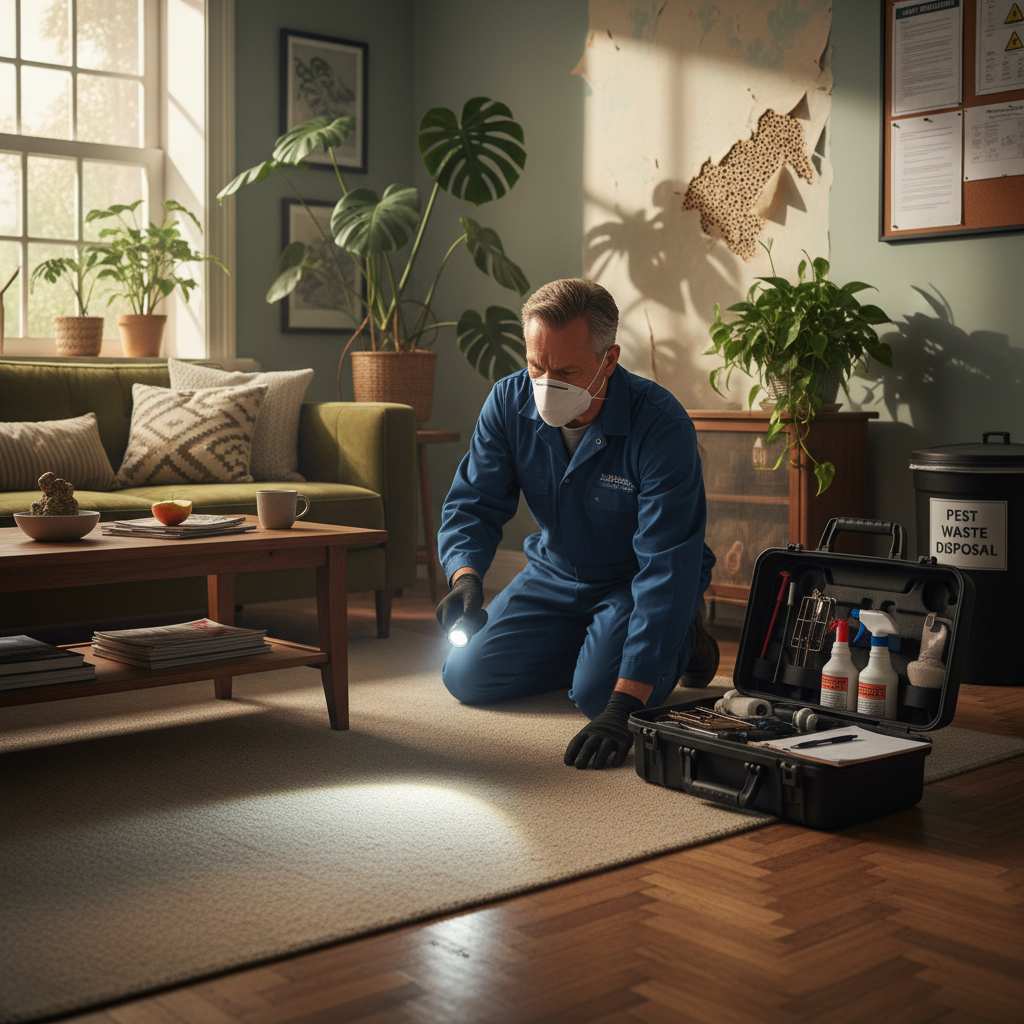
A thorough inspection provides critical insights into pest issues and vulnerabilities within a property. This initial step involves examining entry points and environmental factors that may foster pest activity. Professionals also utilize specialized tools and past records to enhance the assessment, enabling effective communication with property owners about the infestation’s severity and recommended strategies.
Available Treatment Options
Pest control encompasses various treatment options, often integrated into tailored plans. Chemical treatments are efficient but can necessitate repeated applications. Biological control provides a sustainable alternative, while mechanical methods effectively remove pests. Cultural controls focus on preventative measures that improve property hygiene, making environments less attractive to pests.
Chemical Treatments
Chemical treatments involve the application of pesticides to address infestations swiftly. Professionals ensure safety while applying EPA-approved products; however, costs can escalate due to necessary follow-ups. Clients often inquire about environmental impacts and safety, prompting a careful balance between chemical usage and integrated approaches that enhance overall effectiveness.
Biological Control
This method utilizes natural predators to manage pest populations effectively and sustainably. Although it may entail higher initial costs, its specialization can significantly mitigate pest issues with less environmental downside, appealing to eco-conscious clients who prefer less invasive solutions.
Mechanical and Physical Methods
Mechanical controls rely on traps and barriers to manage pest populations, while physical measures modify environmental conditions to eliminate habitats for pests. Techniques such as heat treatments can effectively eliminate certain pests without chemicals, contributing to a more sustainable approach.
Cultural Controls
These controls encompass practices that reduce pest habitats, emphasizing sanitation, waste management, and maintenance. Active participation from property owners in maintaining clean environments enhances the effectiveness of pest control efforts and aids in long-term prevention.
Integrated Pest Management
IPM represents a holistic approach, combining several methods based on pest type and environmental context. Custom treatment plans aim to minimize risks while ensuring customer safety. Regular monitoring allows for adjustments to enhance treatment efficacy continuously.
Cost Considerations
The costs of pest control services vary based on pest type, infestation extent, property size, and treatment access. For instance, treating widespread pests like termites may incur higher fees compared to standard residential treatments. Clients should consider all factors, including the potential need for ongoing interventions, when budgeting for pest management.
Preparation for Treatment
Effective pest control depends heavily on proper preparation by homeowners. Steps include decluttering, cleaning, securing food, and ensuring pets are kept safe during treatments. These measures enhance treatment efficacy and contribute to prevention efforts, emphasizing the collaborative nature of successful pest management.
Health and Environmental Impact
Health and environmental considerations are central to pest control practices, particularly with Integrated Pest Management’s emphasis on minimizing chemical use. This strategy not only protects client safety but also limits negative effects on ecosystems. Understanding exposure risks and prioritizing preventive actions can help mitigate potential health risks associated with pests and chemical treatments.
Regulatory Compliance
Pest control in sensitive environments, such as food facilities, necessitates compliance with strict regulations regarding pesticide use. Professionals must design their approaches to avoid contamination while ensuring effectiveness. Regular assessments and proactive measures are essential for maintaining compliance and minimizing pest-related risks.
DIY vs. Professional Services
Homeowners often face a choice between DIY pest solutions and hiring professionals. While DIY methods may offer temporary relief, they typically lack the thoroughness needed to address underlying issues, potentially leading to recurring problems. Professional services provide tailored approaches that consider health and environmental safety, ensuring comprehensive pest management and more sustainable long-term solutions.
The content is provided by Avery Redwood, ficustolife