Highlights
- Habitat for Humanity's HVAC programs enhance energy efficiency and affordability for low-income families.
- Innovative HVAC solutions help combat energy poverty while promoting environmental sustainability and health.
Overview of Habitat for Humanity’s HVAC Programs
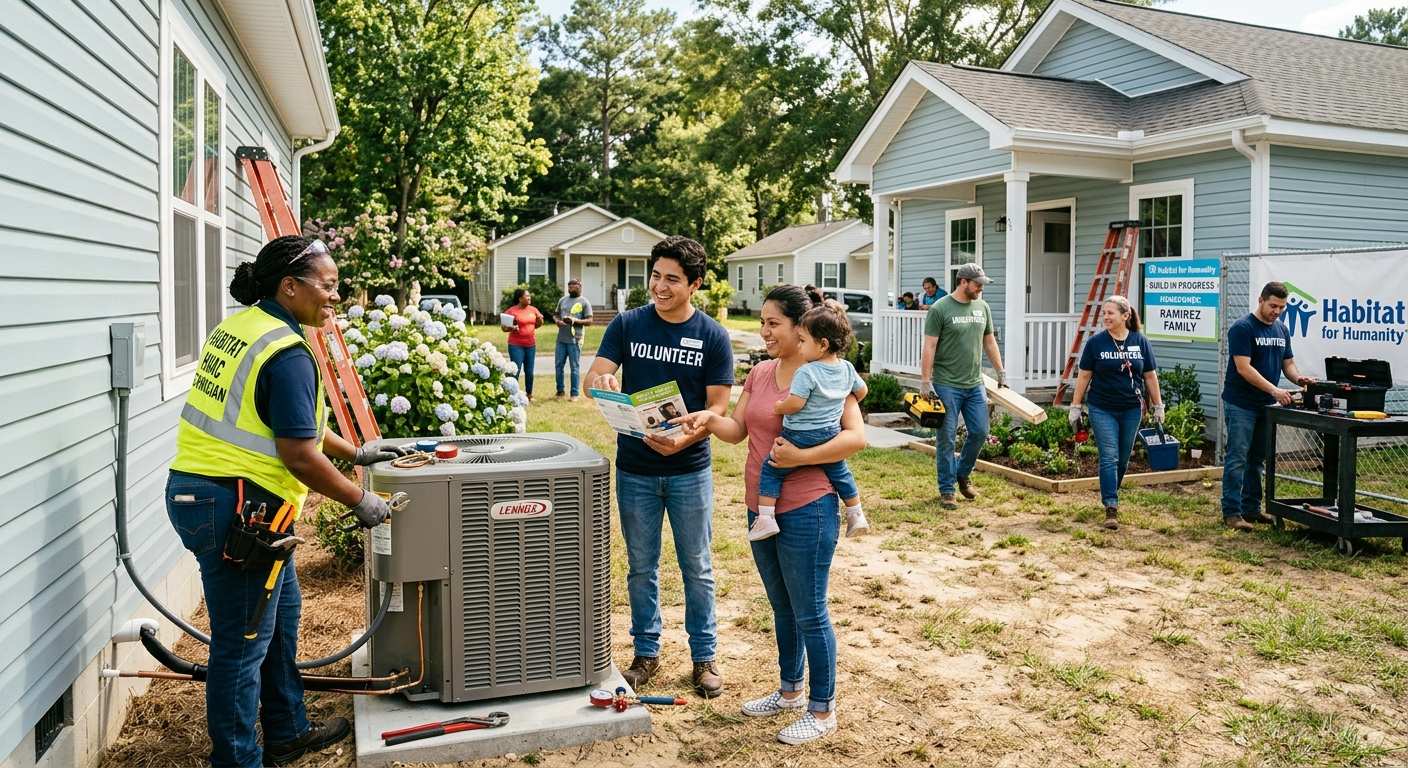
Habitat for Humanity implements HVAC replacement programs as part of its mission to provide safe, affordable, and energy-efficient housing for income-qualified families. These initiatives focus on the installation of high-performance heating, ventilation, and air conditioning systems, which improve indoor comfort while reducing energy consumption and utility costs. By using modern technologies such as high-efficiency heat pumps, Habitat addresses both energy poverty and environmental sustainability. Partnerships with industry experts ensure tailored HVAC solutions that meet diverse climatic needs and promote long-term cost savings. However, funding limitations, regional efficiency standards, and challenges in renovating multi-family units in underserved areas can hinder program effectiveness.
Technical Standards and Environmental Considerations
Energy efficiency is a cornerstone of Habitat’s HVAC programs, which comply with the updated standards set by the U.S. Department of Energy as of January 2023. These standards use SEER2, EER2, and HSPF2 metrics, offering a more accurate representation of HVAC performance. Habitat’s commitment includes installing efficient heat pumps that function entirely on electric power, thus eliminating the need for fossil fuels. This approach not only ensures compliance with rigorous efficiency standards but also contributes to reduced carbon emissions and better indoor air quality through advanced building practices like proper insulation and moisture mitigation techniques.
Implementation Strategies and Community Engagement
Habitat’s HVAC replacement programs are executed through a comprehensive approach that involves local affiliates, community collaboration, and targeted assessments. Independent affiliates evaluate homeowner eligibility and project scope based on funding and community needs. Occupational Therapists may assist in tailoring solutions for accessibility concerns, ensuring that HVAC upgrades also enhance overall home usability. These programs include preventive maintenance education for homeowners, which is crucial for maximizing long-term value and energy efficiency. Partnerships with corporate sponsors help sustain funding streams and volunteer resources necessary for effective implementation.
Impact and Challenges Faced
The impact of Habitat’s HVAC programs extends beyond energy savings. By addressing critical repairs and incorporating energy-efficient solutions, families benefit from improved indoor conditions, leading to enhanced health and well-being. However, challenges such as funding availability, varying regional efficiency standards, and the complexities of renovating multi-family apartments are persistent issues. The extent of available funding often determines the potential for upgrades, while eligibility and program access can complicate homeowner participation. Additionally, efforts to combat energy inefficiency in areas like Central and Eastern Europe require holistic approaches that extend beyond HVAC replacements.
Future Directions for Energy Efficiency Initiatives
Habitat for Humanity is committed to advancing energy efficiency through innovative HVAC programs that align with evolving technological and regulatory landscapes. Efforts will continue to focus on multi-country projects that address energy poverty, particularly in vulnerable communities in Eastern Europe. By emphasizing renewable energy financing and community-driven strategies, Habitat aims to enhance social cohesion and living standards. Their sustainability agenda also encompasses broader concerns, including water conservation and materials stewardship, positioning Habitat as a pivotal player in creating resilient and eco-friendly housing solutions worldwide.
The content is provided by Jordan Fields, ficustolife