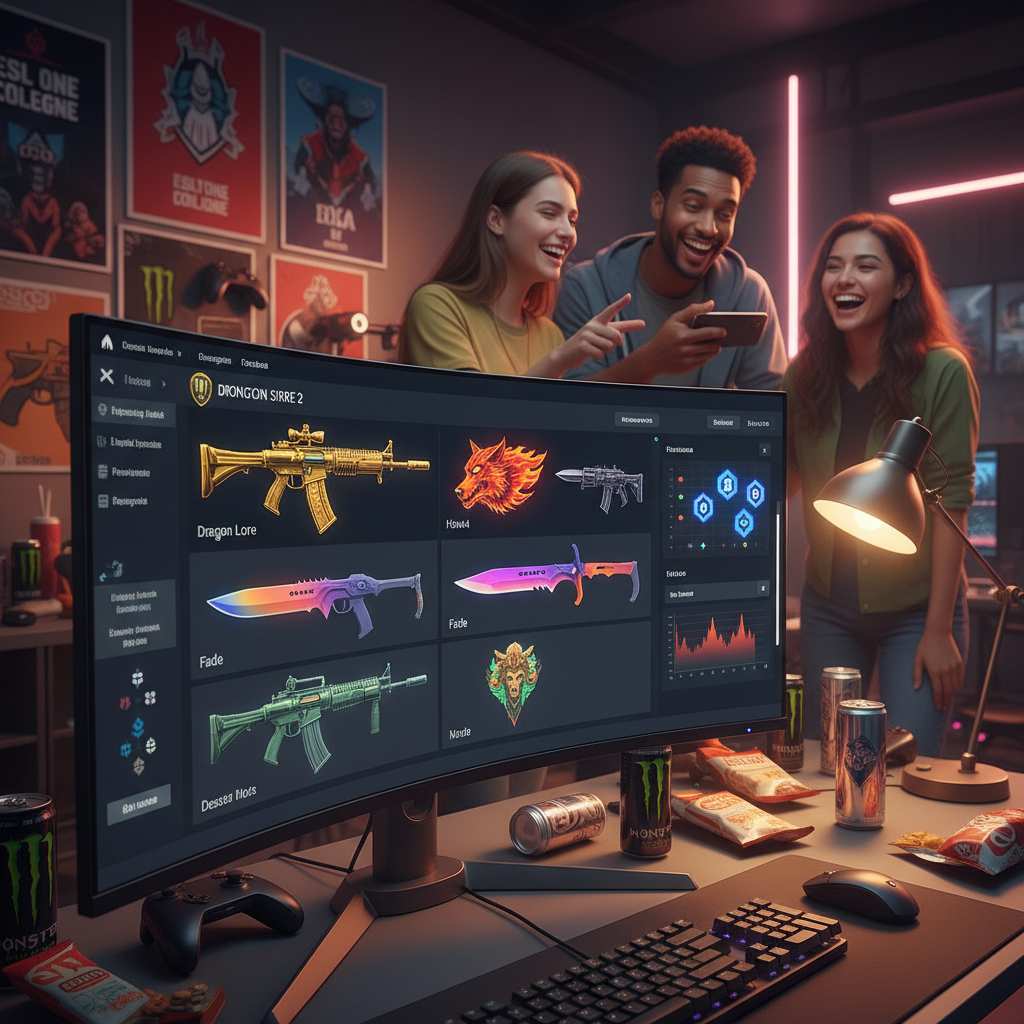
Highlights
- The trading of gaming skins has evolved into a complex ecosystem influencing player identity and economies.
- Blockchain technology and NFTs are set to revolutionize digital ownership in gaming skin trading.
Understanding Gaming Skins Trading
Gaming skins are cosmetic items that modify the appearance of in-game elements without altering gameplay functions. They have moved beyond mere aesthetics to become significant assets, shaping player identities and driving the virtual economy within gaming communities, especially in titles like Counter-Strike 2 (CS2). With the rise of online trading platforms, the buying and selling of skins often involve real money, and while these transactions are highly engaging, they also present risks, including fraud and legal challenges.
The Evolution of Gaming Skins
The concept of skins began as simple cosmetic changes but quickly became essential to the gaming experience, fostering community engagement and individual expression. While initially valued for their aesthetic characteristics, skins have transformed into monetary commodities available for trading. The advent of unlockable and rare skins fueled a growing market, where skins are not only collected for personal enjoyment but also appreciated as investment assets.
Classification and Rarity of Skins
Skins are categorized by rarity, significantly impacting their desirability and market value. In CS2, skins are ranked into tiers from Consumer Grade to Contraband, with higher rarity generally yielding greater demand and sale prices. Visual cues within the user interface assist players in quickly assessing a skin’s rarity, directly linking it to its trading potential.
Acquisition Methods
Skins can be obtained through various means such as seasonal events, downloads, and ranked competitions, making them collectible items that confer social status within gaming circles. Limited edition skins gain additional prestige due to their exclusive nature, often drawing the interest of collectors eager to enhance their in-game identity.
Trading Platforms and Their Roles
Trading platforms are fundamental for enabling secure transactions in the gaming skin market. Utilizing advanced technology, these platforms allow users to exchange skins effortlessly, yet they operate within a complex legal landscape that raises concerns about fraud and market integrity. Many incorporate API connections for ease of use, although this expansion invites regulatory scrutiny regarding potential risks, including financial exploitation.
The Trading Experience
Players engage in trading skins as part of their gaming identity. Platforms like DMarket and Tradeit.gg offer streamlined processes for safe and efficient exchanges, reflecting the vibrant community culture surrounding digital items. Rarity and availability determine market prices, with popular skins often subject to price volatility due to demand shifts or game updates, further influencing trading practices.
Economic Principles in Skin Trading
The market for skins operates on principles of supply and demand, where player preferences and external factors dictate prices. Each skin’s rarity and float values contribute to its overall market appeal, leading to significant variability in price—even among skins with the same rarity tier. This variability can create investment opportunities for players who navigate market trends strategically.
The Cultural Impact of Skins
Skins are more than mere cosmetic upgrades; they symbolize achievement, status, and community identity within gaming cultures. The trading processes foster social connections, contributing to shared community experiences and interactions that enhance player engagement. However, the overlap of trading with gambling-like mechanics introduces ethical complexities that warrant caution among stakeholders.
Legal Considerations in Skin Trading
The skin trading ecosystem is subject to an evolving legal framework that intersects with issues of consumer protection, intellectual property, and gambling. The classification of virtual items as property remains contentious, with ongoing discussions about digital ownership rights affecting how skins are traded. Additionally, the enforcement of age restrictions seeks to protect younger players from potentially problematic gambling-like elements in skin trading.
Security Measures in Trading
Security is paramount in the exchange of gaming skins, as their real-world value necessitates protective measures. Trading platforms implement technology-driven solutions and regulatory compliance safeguards to minimize risks and enhance player protection. Efforts to ensure safe trading environments are increasingly important in maintaining player trust and regulatory adherence.
Impact of Esports on Skin Culture
Esports events significantly shape the desirability and market value of skins, influencing player preferences and community dynamics. Iconic skins showcased in competitions can surge in popularity and price, reflecting the close relationship between skin trading and competitive gaming. The economic model surrounding skins supports esports ecosystems, enriching player experiences and engagement across platforms.
Future Trends in Skin Trading
As technology advances, the skin trading landscape is set for transformation, with blockchain and NFTs presenting new avenues for ownership and transaction integrity. Regulatory frameworks are also anticipated to become more robust, focusing on player protection and age verification. These changes reflect an increasing recognition of the economic and cultural significance of skins within gaming environments.
The content is provided by Blake Sterling, ficustolife