Highlights
- Dental implants improve quality of life for mature women with missing teeth.
- Comprehensive evaluation ensures optimal outcomes and addresses unique challenges for mature women.
Summary
Understanding Dental Implants for Mature Women: Procedures and Benefits
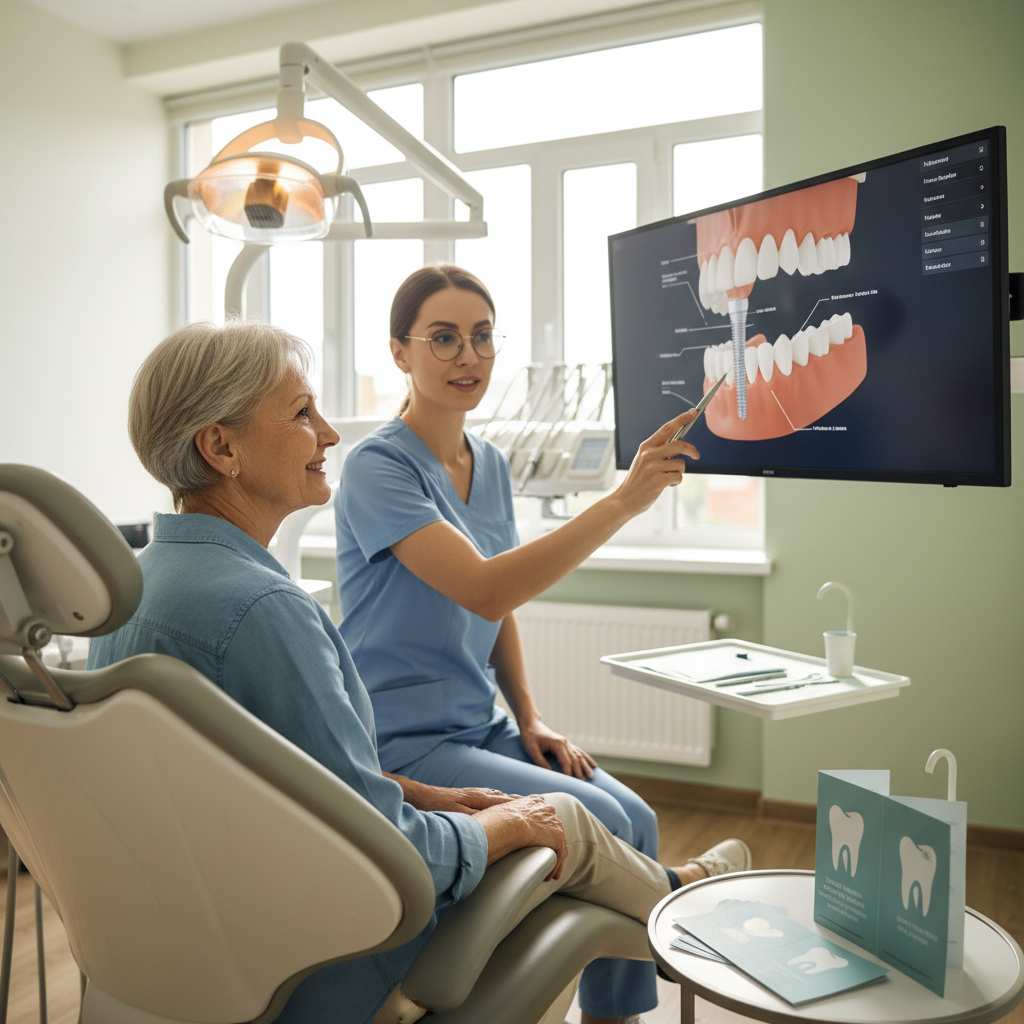
Dental implants function as stable replacements for missing teeth and are particularly relevant for mature women over 50, who experience higher tooth loss rates due to age-related factors. Advances in dental technology have made implants a widely accepted solution that not only improves aesthetics but also enhances oral functionality, contributing to better nutrition and quality of life. It’s essential to evaluate individual health factors such as osteoporosis and diabetes, which can affect healing and implant stability, before proceeding with the treatment.
Overview of Dental Implants
Dental implants serve as secure anchors in the jawbone for various prosthetic applications, replacing lost teeth with reliable, natural-feeling alternatives. The success rate of implants remains high, but a clinician must address potential complications from implant placement, particularly regarding bone quality. Ongoing advancements in technology have made implants accessible for mature women, expanding eligibility despite age.
Considerations for Mature Women
Tooth loss affects a significant number of mature women, often due to gum disease and decay, which can impact confidence and daily functioning. Age alone does not disqualify candidates for implants; factors like bone density and overall health are more crucial. While challenges such as osteoporosis exist, newer techniques enable successful placements even when bone density is compromised.
Dental Implant Procedures for Mature Women
The process of obtaining dental implants involves careful evaluation of bone health using advanced imaging technologies and digital planning tools. In cases where jawbone quality is lacking, bone grafting can improve the foundation for implant placement. Many women can benefit from immediate loading techniques, allowing them to receive temporary teeth on the same day as surgery, enhancing their comfort and satisfaction.
Prosthetic Design and Fitting Considerations
The design and fitting of implant-supported prostheses require careful consideration to ensure longevity and functionality. The selection of materials must balance durability and compatibility within the oral environment. Given that mature women may exhibit variations in bone density, each treatment plan should be tailored to their unique needs, optimizing outcomes through precise planning and advanced dental technologies.
Benefits of Dental Implants for Mature Women
dental implants restore not only the ability to chew effectively but also confidence in appearance and communication. They prevent further bone loss and help maintain facial structure, offering a significant advantage over traditional dentures. Enhanced stability with implant-supported dentures alleviates dependence on adhesives, yielding a more natural experience.
Risks and Complications
Despite their benefits, dental implants come with risks that may be heightened in older adults. Peri-implantitis is a significant concern that can lead to failure if not properly managed, while other systemic health conditions like diabetes and lifestyle habits such as smoking can also impact outcomes. Comprehensive preoperative assessments and appropriate management strategies are key to minimizing these risks.
Healing Process and Recovery
The recovery period following dental implant surgery is pivotal for success, typically lasting several months while osseointegration occurs. Mature adults might face longer healing times due to bone density and health factors, which can influence outcomes. Ongoing advances in implant technology potentially enhance recovery times and overall success rates, benefiting older patients significantly.
Maintenance and Aftercare
Effective maintenance and aftercare are fundamental for the longevity of dental implants. Implementing a routine that emphasizes proper oral hygiene and regular check-ups can help ensure the success of the implants.
Cost and Insurance Considerations
The financial aspect of dental implants can vary widely based on procedure complexity and specific patient needs. While implants offer long-term benefits that can outweigh initial costs, understanding insurance policies related to implants is critical for budget planning. Patients are encouraged to explore options thoroughly before moving forward due to variability in coverage and potential out-of-pocket expenses.
Advances and Innovations in Dental Implantology
Technological advancements in dental implantology have significantly improved success rates and patient outcomes. Innovations in biomaterials and digital imaging allow for precise treatment approaches, minimizing invasive procedures and enhancing recovery. These developments pave the way for implants to become integral components not only in dental health but also in overall well-being.
The content is provided by Avery Redwood, ficustolife