Highlights
- Baby supply assistance programs alleviate financial burdens while promoting healthy child development.
- Engaging with organizations like WIC and Baby2Baby can enhance support for families in need.
Summary of Baby Supply Assistance Programs
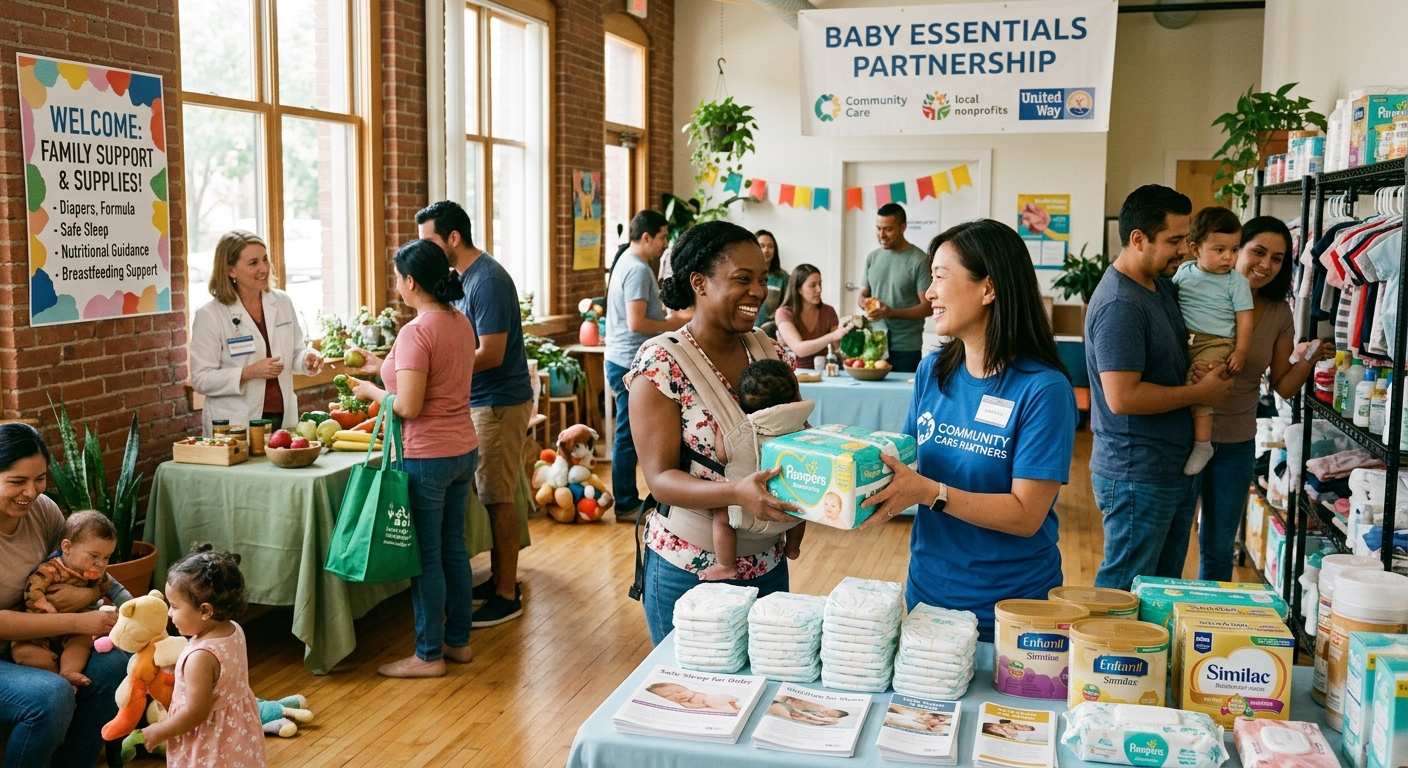
Baby supply assistance programs aim to alleviate the financial burden of raising infants, especially for low-income families. These initiatives provide essential items like diapers and infant formula, while also offering nutritional counseling and resources for healthy child development. Various groups—ranging from government agencies to nonprofits—collaborate to ensure that families receive both physical supplies and connections to broader support services, fostering ongoing networks of assistance.
Key Programs and Their Benefits
Programs such as the WIC (Women, Infants, and Children) and SNAP (Supplemental Nutrition Assistance Program) deliver nutritional support and essential baby supplies to eligible families. WIC not only provides healthy foods but also breastfeeding support and educational resources, emphasizing the importance of sound nutrition for both mothers and infants. Engaging with these programs can greatly benefit maternal health and infant well-being, while reducing the stigma associated with seeking assistance and enhancing the capability to connect families with comprehensive support services.
Government Assistance Programs
Supplemental Nutrition Assistance Program (SNAP)
SNAP helps eligible households purchase food items by providing monthly benefits, including baby formulas. While some states might offer nutrition education, most eligibility relies on income thresholds associated with other assistance programs. Understanding these criteria is vital to efficiently accessing SNAP benefits.
WIC Program
The WIC program provides nutrition education and healthy food packages to low-income women and children. Stipulated by federal guidelines, eligibility relates to both income levels and nutritional risk, ensuring vital support during pregnancy and early childhood. Engaging in WIC can help ensure access to important nutritional resources for both mothers and their infants.
Nonprofit Organizations
Helping Mamas
Helping Mamas collaborates with various organizations to distribute diapers and baby supplies to families in need. Their model addresses urgent needs transparently and efficiently, diminishing the stress of new parents from the onset of parenthood.
Baby2Baby
Baby2Baby partners with local entities to deliver diapers and clothing essentials to children up to age 12. While families can’t access these supplies directly from Baby2Baby, they can benefit through connections to local partners ensuring that items reach those most in need.
National Diaper Bank Network
This network focuses on combating diaper need by coordinating the distribution of diapers throughout the community. By ensuring that impoverished families receive diapers, they play an essential role in promoting infant health and family financial security.
Eligibility and Application Insights
Determining eligibility for programs like WIC, SNAP, or Medicaid is a critical first step for families seeking assistance. Income guidelines generally align with federal poverty levels and can change over time, requiring applicants to be proactive in verifying their status to avoid application issues. Ensuring proper documentation, whether it’s proof of income or participation in other support programs, can ease the application process and enhance access to the necessary resources.
Funding Dynamics and Administration
Funding for various baby supply assistance programs predominantly comes from federal sources, which are allocated to states based on annual congressional appropriations. While continuous bipartisan support generally ensures sufficient funding, economic fluctuations can introduce risks affecting program availability. Collaborations between agencies at all levels are crucial for effective service delivery, showcasing that integrated efforts can magnify reach and effectiveness in supporting families in need.
Support Services and Addressing Barriers
In addition to direct supply distribution, these programs provide educational resources to foster infant care skills among parents. While addressing immediate needs, they often face challenges such as social stigma and bureaucratic red tape, which can deter families from seeking assistance. Effective outreach efforts and enhanced communication between agencies can help overcome these barriers, ensuring families can access comprehensive support when needed.
Evaluating Program Effectiveness
The success of baby supply assistance programs is measured by their ability to improve access to resources and reduce stress for families. Collaborative initiatives—like the Newborn Supply Kit Program—demonstrate the potential for scaling efficient support through partnerships between the federal sector and nonprofit organizations. Streamlined services, especially through data sharing among assistance programs, highlight the importance of integration in effectively meeting the evolving needs of families facing urgent circumstances.
Ongoing Challenges and the Path Forward
Despite the positive impacts of these programs, challenges persist, including social stigma and operational hurdles affecting participation. Misconceptions about welfare can inhibit families from seeking necessary help, while strict eligibility requirements can create barriers to entry. Addressing these issues requires continued advocacy and responsive policy changes to foster an environment where all families can access the support they need to thrive.
Available Resources for Families
Families seeking assistance should explore local resources that offer essential baby supplies and additional support services. Programs often provide material aid, alongside financial counseling and connections to healthcare services, creating a holistic approach to family well-being. Timely communication with local assistance providers is essential for ensuring eligibility and coordinating the receipt of supplies, thereby maximizing the benefits of available services.
The content is provided by Sierra Knightley, ficustolife