Highlights
- Angioplasty and stenting significantly improve blood flow and reduce cardiovascular risks.
- Advanced imaging techniques ensure precise stent placement, enhancing patient outcomes in heart procedures.
Summary
Angioplasty and stent procedures are essential for treating coronary artery disease (CAD), which is a major global health concern. These minimally invasive methods restore blood flow by widening arteries and using stents to keep them open. Since the mid-1980s, stenting has replaced balloon angioplasty due to better outcomes like reduced restenosis and improved symptom relief. Various stent types cater to different clinical needs, with advanced imaging techniques enhancing procedural accuracy and outcomes.
Although long-term survival improvements from stenting are complex, studies demonstrate its critical role in acute coronary syndromes. Innovations in stent design, including drug-eluting and bioresorbable types, continue to enhance safety and efficacy. However, careful patient selection and adherence to treatment plans are vital to mitigate risks such as restenosis and stent thrombosis.
Overview
Angioplasty and stent procedures are critical interventions for managing CAD, aiming to restore blood flow in narrowed arteries. The shift from simple balloon angioplasty to stenting has been driven by better clinical outcomes. Stents, made from various materials, help keep arteries open and reduce complications like restenosis, though they come with inherent risks such as infection and stent failure.
Intravascular imaging (IVI) is pivotal in optimizing procedural outcomes. While it adds time and cost, its benefits, such as improved stent placement and reduced ischemic events, support its use in standard practices. Research shows that routine imaging during stenting leads to better long-term patient outcomes despite the complexity of establishing its impact on mortality.
Clinical Indications and Patient Selection
Angioplasty and stenting are primarily indicated for treating atherosclerotic cardiovascular diseases, particularly CAD. Deciding to perform these interventions depends on individual patient factors like the extent of arterial blockage and any existing comorbid conditions. Tools like the Syntax score assist clinicians in making informed decisions regarding the best intervention strategy.
In cases of acute coronary syndromes, primary PCI with stenting is preferred due to its better outcomes compared to fibrinolytic therapy. However, the anatomical characteristics of lesions also influence patient selection, as heavily calcified arteries may require additional techniques to ensure successful stent deployment. Customization of treatment plans is essential, taking into account patient risk factors and overall health status.
Angioplasty Procedures
Angioplasty is designed to alleviate blockages in arteries and improve blood flow. It begins with an angiogram to pinpoint the blockage, guiding the procedure. A catheter is threaded to the site, where a balloon expands to compress plaque against the artery walls, often accompanied by stent placement. Intravascular imaging tools like IVUS and OCT significantly enhance procedural accuracy and safety, supporting optimal outcomes and reducing complication risks.
Despite its relative safety, angioplasty can incur risks, including artery injury and blood clots. Post-procedure follow-up is crucial for monitoring complications and ensuring long-term success.
Stent Procedures
Stent placement is integral to angioplasty, aimed at maintaining blood flow in treated arteries. Drug-eluting stents are commonly used to prevent restenosis, while bioresorbable stents offer the potential for reduced long-term complications. Factors such as stent material and design significantly impact stent performance and patient outcomes.
Pre-procedure imaging plays a crucial role in assessing blockages and guiding stent implementation. Specialized stents, such as covered stents, are available for unique clinical scenarios, underscoring the importance of tailored interventions based on the patient’s needs.
Imaging Modalities in Angioplasty and Stenting
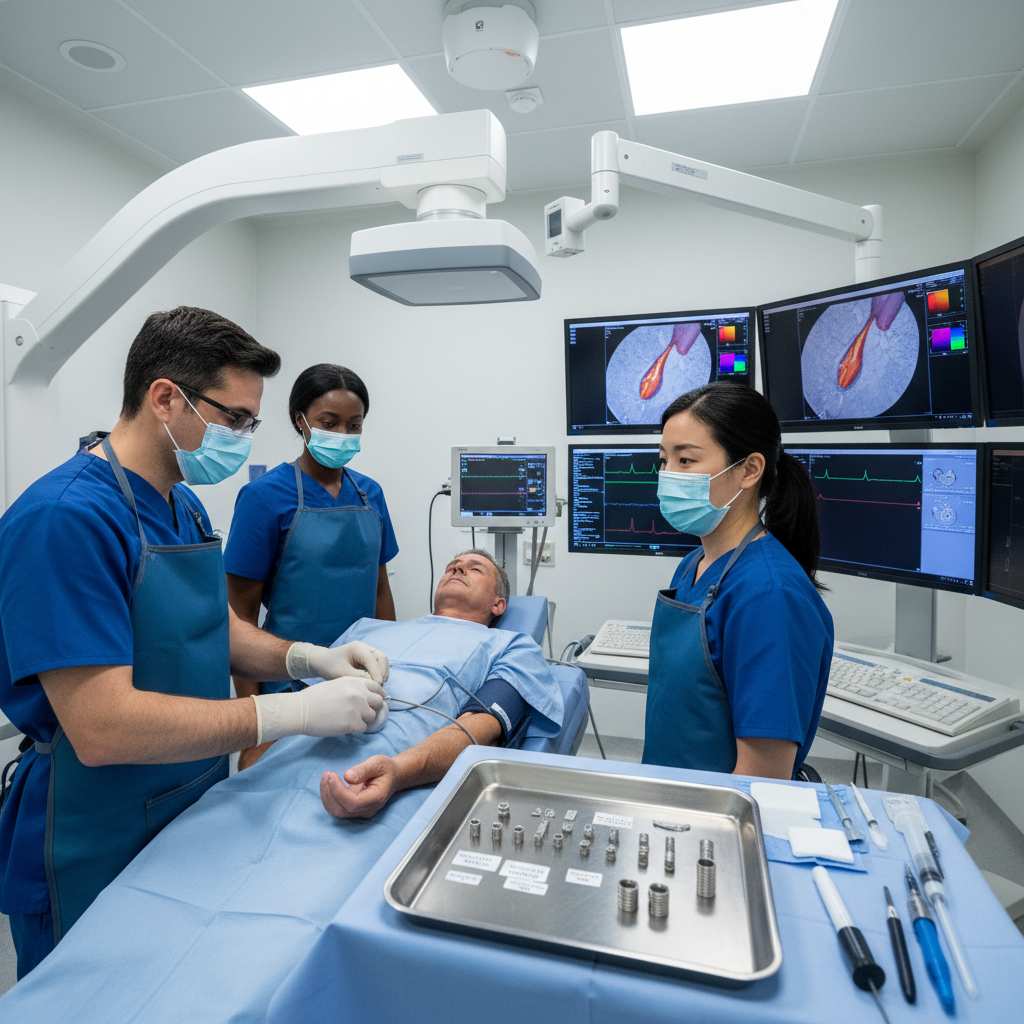
Imaging is vital for effective angioplasty and stenting, ensuring accurate visualization of arterial lesions. X-ray fluoroscopy allows real-time imaging during procedures, while IVUS and OCT provide high-resolution insights into arterial health and stent placement. These imaging techniques lead to enhanced safety and reduced complication rates, although the additional time and costs associated with their use must be weighed against their benefits.
Comparative Use and Clinical Impact
IVUS and OCT both enhance the precision of lesion assessment and stent deployment, contributing to improved procedural outcomes. Current research continues to explore the optimal applications of these imaging modalities, emphasizing the need for clinicians to evaluate their potential benefits in various clinical situations.
Clinical Evidence and Guidelines
Angioplasty and stenting have been shown to be effective alternatives to bypass surgery for CAD across diverse patient populations. Lifelong antiplatelet therapy and regular follow-up are essential due to potential complications like restenosis. IVUS and OCT have demonstrated clinical advantages, leading to improved procedural outcomes in complex cases, though ongoing research is needed to determine their comparative benefits.
Recovery and Aftercare
Post-procedure recovery for angioplasty and stenting involves regular follow-ups to monitor patient health and detect complications. Given the minimally invasive nature of these procedures, patients typically experience shorter hospital stays. Antiplatelet therapy is a critical component of aftercare, reducing the risk of restenosis and allowing for tailored management based on individual risk factors.
Alongside medical management, lifestyle modifications are essential in promoting long-term success. Patients should adopt healthier habits to mitigate further cardiovascular risks, emphasizing the holistic approach needed for effective recovery.
Outcomes and Effectiveness
New device categories, such as stents, have significantly enhanced both angiographic and procedural success, particularly in complex cases. Compared to bypass surgery, these interventions entail fewer risks and costs. Ongoing advancements in stent technologies and imaging techniques continue to improve long-term outcomes, especially in high-risk patients.
Advances and Innovations
Materials science and manufacturing innovations have greatly influenced angioplasty and stenting practices. The shift to drug-eluting stents marks a considerable advancement, significantly reducing complications such as restenosis. Ongoing research into bioresorbable stents and individualized designs aims to further enhance the efficacy and safety of these procedures.
Regulatory developments are also facilitating the introduction of innovative products to the market, demonstrating the dynamic evolution of cardiovascular intervention techniques. Strategic acquisitions and investments in research further underline the commitment to improving patient care in this field.
The content is provided by Jordan Fields, ficustolife