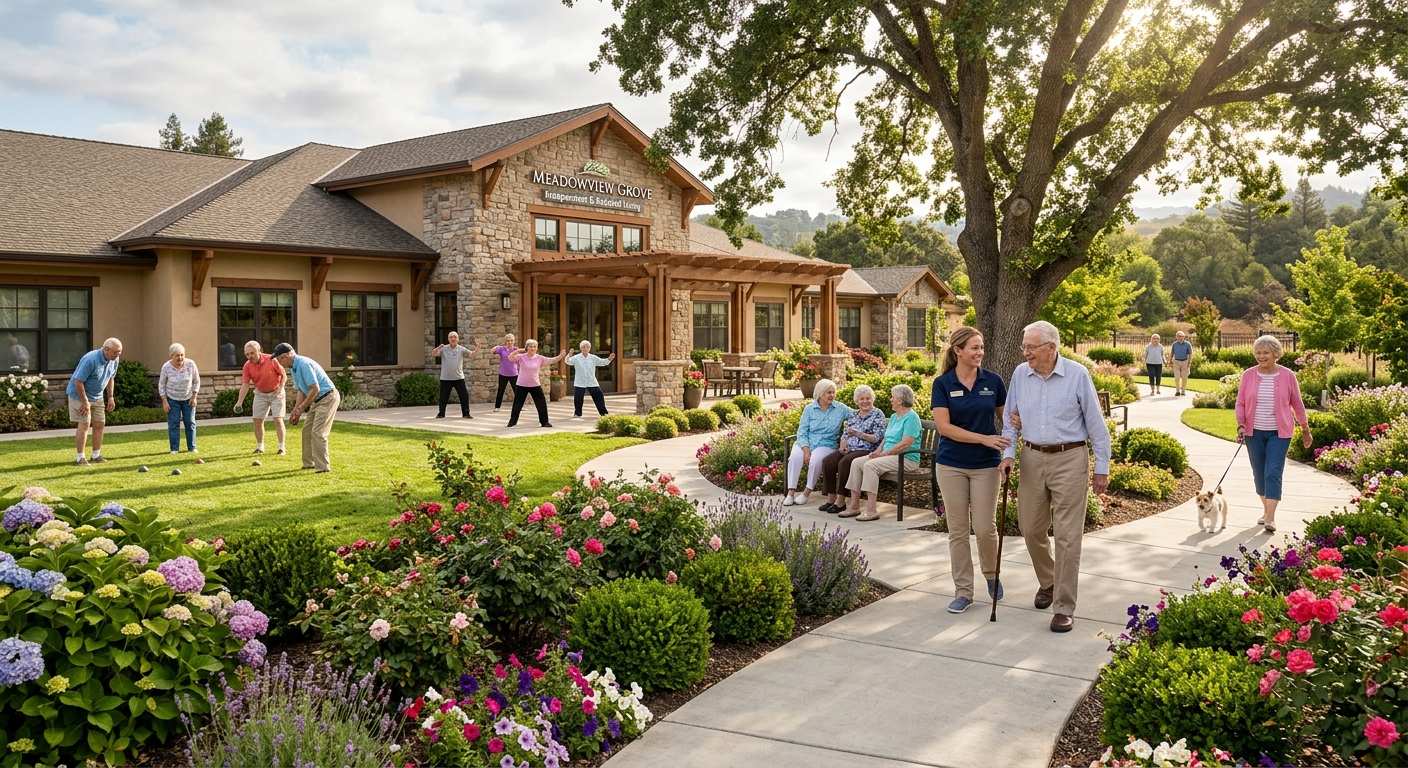
Highlights
- Understanding retirement home options is crucial for meeting personal health and lifestyle needs.
- Engage with resources to empower informed decisions about retirement living arrangements.
Summary
Choosing the right retirement home is vital for older adults looking for balance among independence, healthcare, social engagement, and financial sustainability. Options range from independent living communities to assisted living, memory care, nursing homes, and continuing care retirement communities (CCRCs), each catering to different support levels and lifestyles. By understanding these choices, individuals and families can find environments that fit their present and future needs while enhancing quality of life.
Key factors in this decision include the available healthcare services, community amenities, location, security measures, social environment, pet policies, and financial implications. Facilities can focus on comprehensive medical care or provide a more active and social lifestyle. Financial structures, including entrance and monthly fees, vary significantly based on services offered and housing models, impacting overall affordability. Additionally, concerns regarding elder abuse and neglect persist, necessitating vigilance when choosing a retirement home.
Effective planning involves assessing personal health, lifestyle goals, and financial status. Access to professional advice, healthcare support, and elder advocacy resources can empower individuals in their decision-making process. The selection of a retirement home is a deeply personal journey that balances practical needs and the desire for dignity and fulfillment in later life.
Types of Retirement Homes and Communities
Retirement communities vary significantly in their offerings, accommodating diverse needs and lifestyle preferences among seniors. Familiarizing yourself with these options can better position you to choose a living arrangement that aligns with your current and future requirements.
Independent Living Communities
Independent living is ideal for active seniors who prefer a lifestyle without home maintenance responsibilities. These communities often mimic luxury hotels, providing amenities like pools, fitness centers, and social programming. While some assistance, such as housekeeping, is included, healthcare services are generally not part of the package.
Assisted Living Facilities
Assisted living communities cater to seniors needing help with daily activities, offering personal care and housing solutions designed for independence. These facilities provide social activities and 24-hour staff support, combining safety with a community atmosphere without intensive medical care.
Memory Care Communities
Memory care communities focus on the unique needs of seniors with Alzheimer’s disease or dementia, offering secure environments and staff trained in cognitive impairment support. Residents benefit from structured activities and safety features tailored to their conditions.
Active Adult Communities (55+ Communities)
Active adult communities, catering to healthy and independent seniors, provide social engagement opportunities while reducing homeownership responsibilities. These neighborhoods often emphasize residents’ independence, lacking onsite healthcare but promoting a vibrant social lifestyle.
Nursing Homes and Skilled Nursing Facilities
Nursing homes provide extensive medical care for seniors with significant health needs, offering around-the-clock supervision and assistance with daily tasks. These facilities are suitable for both short-term recovery and long-term care, accommodating residents with chronic health conditions.
Continuing Care Retirement Communities (CCRCs) or Life Plan Communities
CCRCs provide a comprehensive care continuum, allowing for seamless transitions from independent to assisted living or nursing care. While they come with higher costs, they offer residents various amenities and peace of mind with changing health needs addressed within the same community.
Other Options
Other living arrangements include adult care homes and multi-unit assisted housing that offer a mix of independent living with supportive services. For those wishing to remain at home, community-based services or private care options are available, although they typically lack structured healthcare. These alternatives emphasize the importance of assessing personal preferences as part of the decision-making process.
Factors to Consider When Choosing a Retirement Home
Selecting a retirement community requires careful consideration of multiple factors beyond cost. Assessing these elements ensures your choice aligns with preferred lifestyle, healthcare needs, and future aspirations.
Location and Accessibility
Location significantly impacts your retirement home experience, particularly regarding proximity to family, healthcare, and essential services. In addition, accessibility features such as walkable layouts and transportation options contribute to maintaining independence.
Healthcare Services
Access to healthcare is paramount, with variations in support levels among retirement communities. Onsite healthcare professionals enhance the ability to address medical needs promptly, and specialized resources for chronic conditions improve overall well-being.
Security and Safety
Robust security measures within a retirement community are essential for resident safety and peace of mind. Features like emergency response systems and visitor check-ins foster a secure environment that encourages social engagement and participation.
Lifestyle and Amenities
Consider the amenities and lifestyle aspects that matter most to you. Communities differ widely in offerings, from fitness centers to recreational programs, prompting a closer examination of which align with your interests and enhance quality of life.
Community Culture and Social Environment
The social environment of a retirement home plays a critical role in resident satisfaction. Communities that promote diversity, inclusivity, and have high resident happiness contribute positively to your overall experience.
Pet Policies
If you have pets, the community’s pet policy can greatly influence your decision. Some facilities welcome pets, while others restrict them, making it essential to evaluate this aspect based on your priorities.
Financial Considerations
Costs and financial structures can strongly affect your choice. Consider the implications of different contract types, such as life plan contracts, which may incur varying fees as care needs evolve. Balancing affordability with personal preferences is vital for long-term satisfaction.
Costs and Payment Options
Understanding the financial aspects of retirement homes is critical. Communities typically provide different payment approaches that affect your upfront and ongoing financial commitments.
Entrance-fee communities require a one-time payment upon moving in, covering a range of future healthcare and community services, while rental communities operate on a fee-for-service basis with no entrance fee. Monthly fees at independent living communities can range widely, and it’s important to consider which model aligns with your financial situation.
Utilizing personal savings, retirement income, or even selling a home can aid in financing your living arrangements. Understanding government support programs can also supplement your budget, ensuring your chosen community remains affordable throughout retirement.
Financial Planning Strategies
Effective financial planning is essential for navigating retirement living. Establishing an emergency fund is vital to address unexpected expenses without jeopardizing long-term financial goals. Crafting a detailed budget that encapsulates all potential costs, while considering options like downsizing and eliminating debt, can help stabilize your financial footing.
Tax considerations are equally important, especially managing income streams and minimizing tax burdens through planning. Consulting specialized advisors can provide tailored guidance in optimizing your financial future. Additionally, evaluating the potential for future care needs through life plan communities can help maintain affordability.
Healthcare Services and Support
In retirement communities, healthcare services significantly influence quality of life, particularly for residents with chronic illnesses. Regular check-ups and personalized care plans are fundamental to maintaining health, ensuring prompt responses to medical needs and coordinated support from healthcare professionals.
Nursing homes provide more comprehensive medical care, including rehabilitation and assistance with daily activities, compared to other residential options. Coordination among healthcare providers fosters trust and improves health outcomes, enabling residents to remain engaged and active.
Evaluating Retirement Homes
When assessing potential retirement homes, it’s critical to weigh factors such as location, healthcare access, safety, and community culture. Each of these elements impacts your overall satisfaction and ability to thrive in a new environment.
Exploring healthcare services is crucial; communities with robust medical support can better manage chronic conditions and prevent health crises. Financial implications, including fees and contract structures, must also be carefully considered to align with budgetary constraints and long-term expectations.
Legal Considerations and Resident Protections
Legal safeguards for seniors in retirement facilities aim to protect against abuse and neglect, supported by federal and state legislation. Initiatives like the Elder Justice Act contribute to enhancing care quality and elder advocacy, yet implementation gaps remain.
Understanding rights within retirement communities is paramount, as residents have the ability to voice concerns about their care. Mechanisms like Long-Term Care Ombudsman programs exist to advocate for residents, although enforcement challenges call for persistent vigilance among families and the wider community.
Elder Abuse in Retirement Homes
Elder abuse remains a pervasive issue in retirement homes, affecting residents in multiple harmful ways. Awareness of the types of abuse—physical, psychological, and financial—is crucial for families in their search for suitable living environments.
Monitoring and proactive measures can significantly mitigate risks associated with elder abuse, which occurs more frequently in institutional settings. Being informed about potential signs of mistreatment empowers families to safeguard their loved ones effectively.
Advocacy Resources and Support Systems
Access to advocacy resources is essential in ensuring the rights of seniors are upheld in retirement homes. Programs like the Long-Term Care Ombudsman offer vital support by addressing complaints and fostering better care practices.
Educational initiatives enhance awareness of elder rights and promote financial literacy, crucial for protecting against exploitation. By engaging with these resources, both residents and families can find the support needed to navigate challenges in senior living.
Transitioning to a Retirement Home
Transitioning to a retirement home is a significant yet promising step for many seniors, marked by the potential for enriching experiences. Evaluating health considerations will help determine if moving earlier might prevent stressful relocations later as health needs change.
Financial planning also plays a critical role, impacting decisions regarding home sale or rental as well as living costs. By addressing both health and financial aspects, seniors can confidently embrace a lifestyle that enhances their retirement experience.
Additional Resources
When selecting a retirement home, considering the availability of on-site healthcare services is crucial for managing any medical needs effectively. Communities offering resources for chronic conditions enhance residents’ health outcomes through personalized support and regular monitoring.
Additionally, advocacy against elder abuse and financial exploitation is vital to ensure residents maintain dignity and security. Engaging with reliable resources can provide guidance on safeguarding rights and accessing necessary support services.
The content is provided by Jordan Fields, ficustolife