Highlights
- Discover significant savings on fully functional appliances with cosmetic defects.
- Learn to navigate warranties and returns to protect your investment when buying discounted items.
Summary
How to Buy Appliances with Damaged Packaging: A Complete Guide
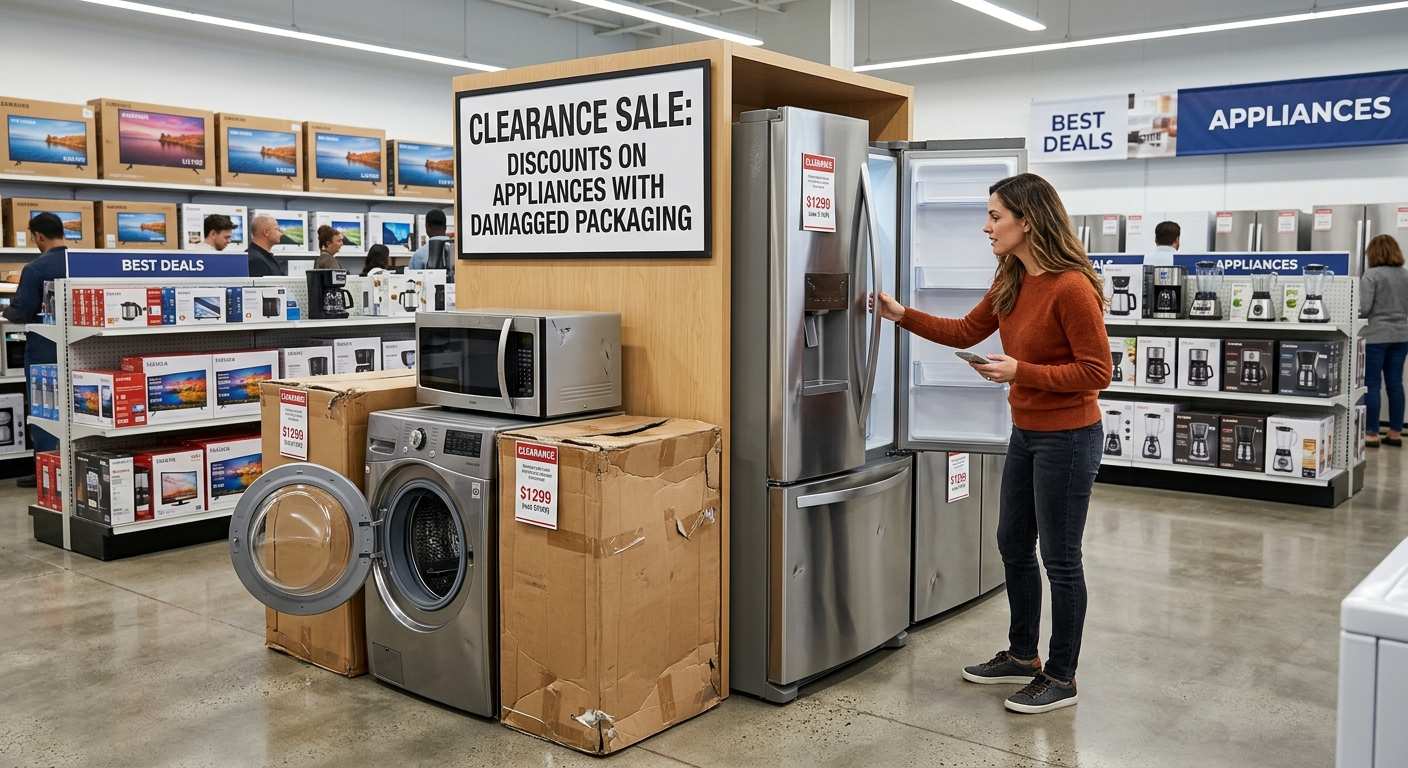
Purchasing appliances with damaged packaging can yield significant savings while still ensuring you acquire fully functional products. Often, the damage affects only the exterior and does not impair performance or warranty coverage. This guide focuses on evaluating appliance condition, understanding warranties, and exercising consumer rights, allowing you to navigate potential risks associated with these purchases confidently.
Understanding Damaged Packaging
Packaging damage can arise from various stages in the supply chain, typically due to inadequate materials or rough handling. Recognizing how these issues manifest can help buyers assess products effectively. Look for signs such as crushed cartons or strapping marks during inspections, as these often indicate potential issues, though they do not necessarily compromise the product’s functionality.
Appliance Design and Protection Mechanisms
Appliances are designed with features to minimize damage during handling and shipping, including internal stabilization mechanisms. Packaging employs cushioning materials like foam and bubble wrap to absorb shocks and prevent internal damage. Understanding these protective designs enables consumers to assess the likelihood of significant issues when considering appliances with damaged packaging.
Assessing Appliance Condition Before Purchase
Before finalizing a purchase, inspect the appliance thoroughly to identify visible defects. Check for cosmetic damage and assess crucial components, such as power cords and plugs, to prevent purchasing functionally compromised units. Specific types of appliances may require different inspection standards, so being diligent can save you from unexpected operational issues later.
Consumer Considerations When Buying Appliances with Damaged Packaging
As a consumer, several factors play a pivotal role in making informed appliance purchases with damaged packaging. Unpack and inspect the item upon delivery to assess any cosmetic defects, and understand warranty coverage as it often excludes surface damage. Balancing savings against potential limitations on warranties is essential, along with considering delivery options that minimize further damage.
Legal and Consumer Rights
Be aware of consumer protection laws that may provide recourse if the appliance has inherent defects. Such laws can cover substantial defects even in the presence of limited warranties. Familiarizing yourself with these rights and potential claims can empower you and safeguard your investment.
Warranty Coverage and Claims
Understanding warranties is crucial when purchasing appliances with damaged packaging. Warranties cover significant defects for defined periods and vary in scope between express and implied categories. Keeping proof of purchase is vital for any claims, as is awareness of common exclusions such as cosmetic damage, ensuring you don’t encounter unexpected costs related to repairs or replacements.
Retailer and Manufacturer Handling of Damaged Packaging Appliances
Retailers face unique challenges with appliances that have damaged packaging, often balancing customer satisfaction with inventory management. Generally, retailers have strict return policies that are more liberal within set timeframes, which can protect consumer interests significantly when defects arise post-purchase. Understanding how retailer policies function can help streamline the buying process and mitigate risks.
Risks and Benefits of Purchasing Appliances with Damaged Packaging
Buying appliances with damaged packaging presents both savings and significant considerations. Major discounts can often accompany these purchases, but there are risks regarding hidden issues that may affect longevity and performance. It’s crucial to weigh these benefits against the potential for complications including limited warranty coverage and consumer rights that may not extend to cosmetic defects.
Recommended Precautions and Best Practices for Buyers
Take precautionary steps when selecting appliances with damaged packaging, beginning with a thorough inspection upon delivery. Documenting the appliance’s condition and understanding the retailer’s warranty and return policies are vital, as retaining all receipts aids any claims process. Exploring options for extended warranties can also provide additional peace of mind, especially for discounted appliances.
Post-Purchase Actions
Upon acquisition, inspect your appliance carefully and familiarize yourself with the return policy to act quickly on any defects. Retentive practices, such as maintaining packaging until you’re certain about the product’s condition, can simplify returns. Exploring warranty options and understanding your consumer rights will help you manage potential issues related to the product efficiently.
The content is provided by Blake Sterling, ficustolife