Highlights
- Healthcare support careers are growing rapidly, offering diverse pathways into the industry.
- Embrace technology and adaptability to succeed in evolving healthcare support roles by 2026.
Summary
The future of healthcare support careers is promising, with over 7 million workers currently employed and an anticipated 11% growth rate by 2032. This sector addresses critical roles in patient care and system operations, particularly as demographic changes increase the demand for healthcare support professionals. The integration of technology, such as AI and telehealth, is transforming job responsibilities and skill requirements, while team-based care models are essential for optimizing patient outcomes. However, challenges like workforce shortages and high attrition rates require strategic policies to maintain a balanced workforce.
Overview of Healthcare Support Careers
Healthcare support roles are essential for patient care and system functionality, showing significant growth potential as they adapt to increased chronic disease prevalence and an aging population. These careers range from nursing and medical assistants to administrative support, accommodating various education and certification levels, which makes them accessible for many individuals seeking employment in healthcare. The rising demand suggests ample job opportunities ahead, underscoring the importance of these roles in health management.
Types of Healthcare Support Careers
A variety of healthcare support roles exist, catering to different experience levels and responsibilities, thereby creating multiple entry points into the healthcare field. Entry-level positions often require minimal education and can lead to more specialized roles, while therapeutic and clinical positions demand higher educational levels and licensure. Administrative roles focus on operations, requiring certifications in areas like medical coding and data management. Emerging technologies are also giving rise to new positions, emphasizing the need for adaptability in the workforce.
Entry-Level and Certification-Based Roles
One accessible entry into healthcare support careers is as a Certified Nursing Assistant (CNA), which requires a brief certification course. Similar roles such as medical assistants, phlebotomists, and pharmacy technicians often require certification rather than a full degree, providing a quicker path into the profession. Careers in physical therapy also allow entry with limited prior experience, requiring varying levels of educational commitment based on the specific position.
Therapeutic and Advanced Roles
Therapeutic services require strong patient interaction skills and often necessitate degrees accompanied by certification or licensure. Roles within clinical settings, like nurses and occupational therapists, typically require extensive education and training before entering practice. These positions are essential in administering direct care and rehabilitation.
Health Services and Administrative Roles
Support roles behind the scenes, such as health service administrators and health information managers, focus on the operational aspects of healthcare systems. Certifications in medical coding and data management are vital in these positions, which are crucial for maintaining healthcare facility operations.
Emerging and Specialized Roles
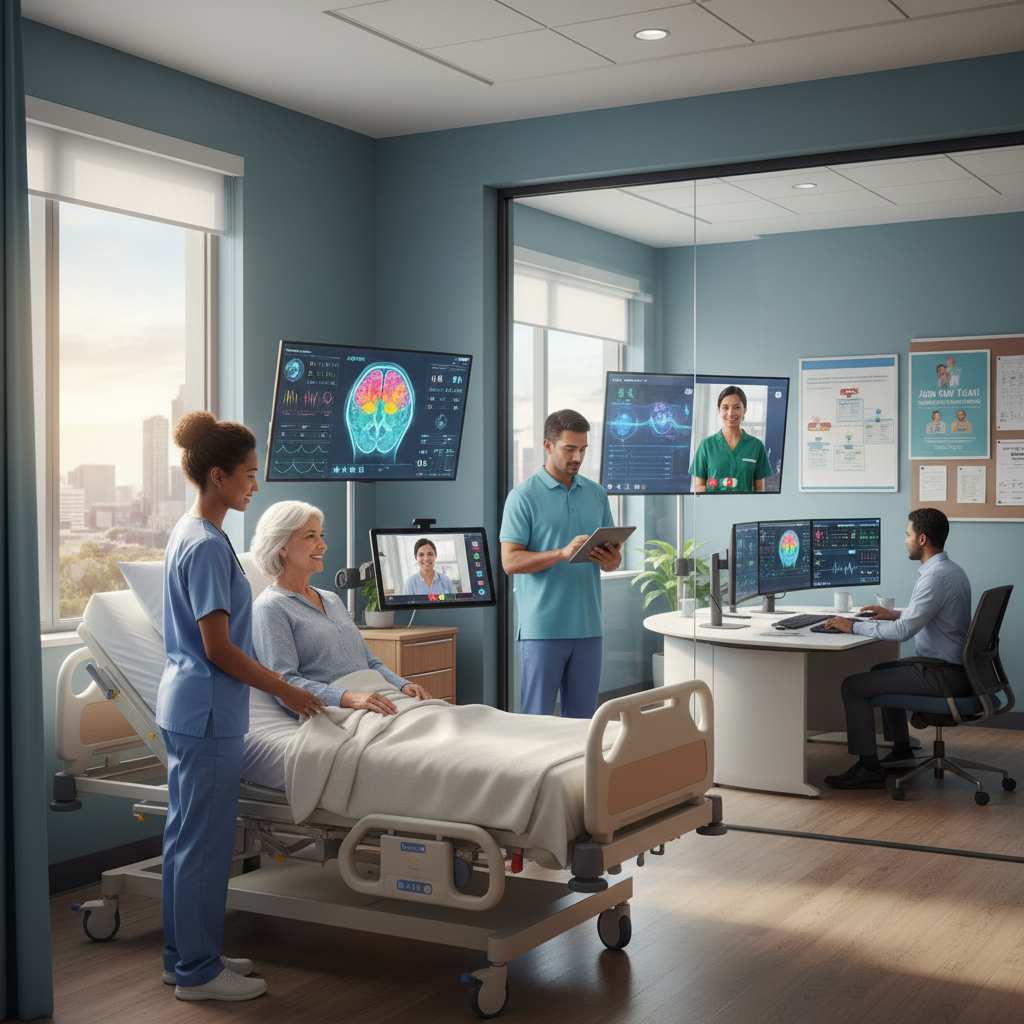
The evolution of healthcare technology is fostering new roles, such as virtual nurses and tele-ICU clinicians. These positions prioritize digital health literacy and the ability to utilize AI tools alongside traditional competencies, reflecting the shifting landscape of healthcare delivery.
Support and Caregiving Roles
Direct patient interaction roles such as caregivers and aides provide both personal satisfaction and opportunities for newcomers to enter the healthcare workforce. Many employers support on-the-job training, facilitating entry into this essential sector.
Educational Requirements and Training
A range of educational pathways exists for healthcare support careers, with entry-level roles often requiring short-term certification programs. For instance, obtaining a CNA certification can occur within a few weeks, preparing individuals for immediate employment in various healthcare settings. Associate and bachelor’s degrees offer broader career prospects, allowing advancement into higher-level responsibilities. Certifications are also crucial for ongoing qualifications within the field.
Job Market Trends and Demand in 2026
Healthcare jobs, particularly support roles, are expected to grow significantly due to demographic shifts and rising healthcare demands. Despite challenges such as financial pressures and workforce shortages, the sector is forecasted to create many openings. The increasing prevalence of home-based care and the expansion of advanced roles indicate a shift towards flexibility and greater opportunities within the industry.
Skills and Qualifications
Healthcare support professionals need a mix of technical skills and soft skills to thrive in a digital-first environment. Technical skills are important for ensuring patient care quality, while soft skills like communication and emotional intelligence enhance patient interactions. Continuous training is essential to maintain compliance with regulations and adapt to evolving technologies, ensuring professionals remain competent in their roles.
Employment Settings
The range of healthcare support roles is expanding across diverse settings, with outpatient care leading hiring trends due to rising patient needs. Home health aide positions are among the fastest-growing, catering to preferences for care in familiar environments. Adapting to digital technologies and maintaining efficiency in various care models are increasingly critical for success.
Career Advancement and Pathways
Advancement in healthcare support careers often requires ongoing education and obtaining relevant certifications. Various career paths include traditional routes as well as emerging roles in public health and telehealth. Creative staffing models are being adopted to enhance retention and address workforce shortages, emphasizing the need for effective development programs.
Impact of Technology on Healthcare Support Careers
The integration of technology, particularly AI, is revolutionizing healthcare support roles. While AI can streamline tasks and enhance patient care, it requires workers to adapt by developing new competencies. The healthcare workforce must strike a balance between leveraging technology and maintaining human touch in patient care to sustain quality and satisfaction.
Healthcare Policies Affecting Support Careers
Healthcare policies significantly influence support career dynamics, affecting operational environments and patient access. Compliance with regulations is essential for safeguarding patient data and enhancing the quality of care. Policies that promote workforce development are crucial in creating sustainable career pathways, particularly in underserved areas.
Workforce Planning and Training Adaptations
Innovative staffing models are being implemented to navigate workforce challenges in healthcare, including partnership with educational institutions for training and recruitment. Addressing burnout and enhancing team dynamics is critical for staff retention and engagement, requiring strategic investments in workforce wellbeing.
Challenges and Considerations
The healthcare workforce faces persistent challenges, such as critical shortages of professionals and the need for long-term strategies for sustainability. Geographic disparities influence patient access and quality of care, necessitating comprehensive workforce planning to develop a more robust supply chain. It remains essential to balance technological advancements with human factors to optimize care delivery.
Future Outlook
The healthcare sector is expected to undergo substantial changes due to shifts in demographics and technological advancements. Organizations must prepare for these transitions, focusing on strategic workforce management and adaptive training models. The future of healthcare support will also prioritize equitable, patient-centered care, enhancing overall health outcomes while addressing workforce sustainability and flexibility.
The content is provided by Harper Eastwood, ficustolife