Highlights
- The growing demand for healthcare support roles highlights the necessity for enhanced training in 2026.
- Adapting to technological advancements is essential for sustaining a resilient healthcare workforce.
Summary
Healthcare support careers are essential for delivering comprehensive patient care and managing healthcare systems. These roles—including home health aides, nursing assistants, and medical technicians—play a critical part in meeting the demands of an aging population and rising chronic diseases. By 2026, the integration of technology and flexible staffing solutions will reshape these roles, requiring enhanced training in clinical skills and digital health literacy. However, the sector still faces challenges like workforce burnout and wage disparities, necessitating innovative policies and training adaptations to ensure a capable workforce that can meet future healthcare demands.
Overview of Healthcare Support Careers
Healthcare support roles include various positions that assist in patient care, equipment management, and administrative tasks. Occupations such as nursing assistants and therapy aides are vital for enhancing patient care and ensuring efficient healthcare operations. Positions typically require at least a high school diploma, with many demanding formal training and certification to adequately prepare workers for responsibilities that involve clinical tasks and administrative duties. Strong communication skills and proficiency in technology are also vital as healthcare delivery increasingly relies on data management and electronic health records.
Key Trends Impacting Healthcare Support Careers in 2026
The landscape of healthcare support careers is shifting due to demographic changes, technology integration, and workforce dynamics. These trends are redefining what skills are required and how support roles are structured within healthcare systems.
Demographic Shifts and Increased Demand
The aging population, particularly those aged 85 and older, significantly increases the demand for specialized healthcare services tailored for older adults. This shift is critical for healthcare support workers, as skills in geriatric care and chronic disease management become increasingly necessary. As the prevalence of chronic diseases rises, opportunities for healthcare support roles will also expand.
Technological Integration and Training Enhancements
Advanced technologies, including AI and telehealth, are becoming instrumental in healthcare support roles. Training programs now incorporate AI-driven simulations and digital tools, emphasizing the need for support workers to develop technical and mental health competencies. Familiarity with these technologies is crucial for enhancing patient care and safety.
Workforce Challenges and Flexible Staffing Models
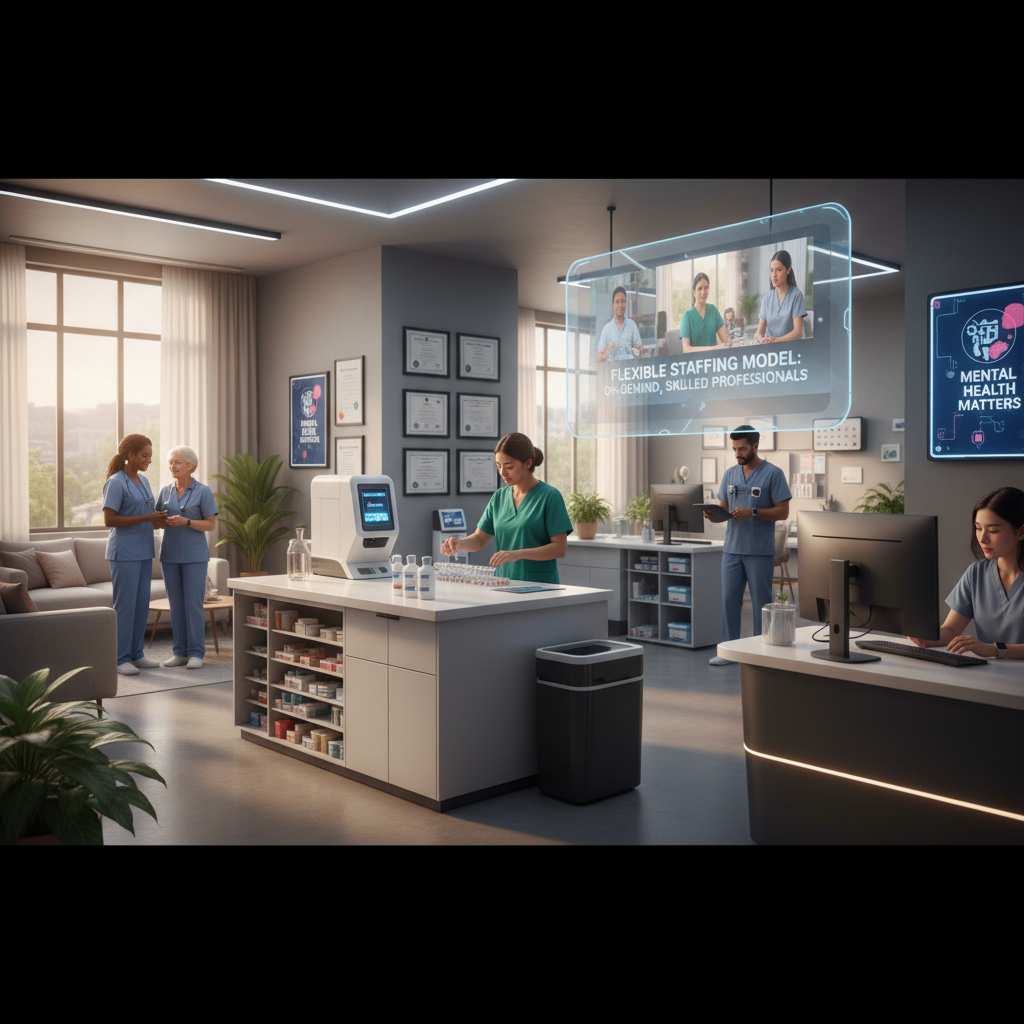
The ongoing workforce shortages, intensified by retiring Baby Boomer professionals, have prompted organizations to adopt flexible staffing models. Creating internal “gig economy” pools of pre-credentialed clinicians allows for efficient deployment and diverse job opportunities while addressing staffing shortages effectively.
Emphasis on Patient-Centered and Equitable Care
A shift towards personalized and equitable care in healthcare support roles highlights the need for cultural competence and collaborative teamwork. This approach requires support workers to address not only physical health but also mental and social well-being considerations, enhancing overall patient quality of life.
Workforce Strategy Pressures
Financial constraints and geographic disparities are influencing healthcare workforce strategies in 2026. Organizations must adapt recruitment and training methods to address evolving worker expectations while ensuring equitable access to care. These pressures underscore the need for strategic workforce planning that can accommodate increasing demands.
Education, Certification, and Training
In 2026, education and training in healthcare support careers are evolving to meet industry needs through structured onboarding and continuous professional development. It is crucial for healthcare workers to acquire certifications, which enhance career prospects and professional legitimacy. As the demand for upskilling rises, educational institutions are providing various certifications and flexible learning options to equip workers with necessary competencies in a rapidly changing environment.
Employment Outlook and Economic Factors
Employment in healthcare support roles is projected to grow significantly through 2026, outpacing general occupation growth rates. Although wage variations exist within the sector, healthcare support jobs generally maintain lower unemployment rates than the national average. Economic pressures driven by labor costs are exacerbating staffing shortages, highlighting the urgent need for strategic workforce solutions to ensure patient care quality and institutional sustainability.
Policy Initiatives and Workforce Management Strategies
In response to workforce challenges, healthcare organizations are adopting innovative management strategies and policy initiatives to remain agile amid labor shortages. By implementing phased retirement options, flexible staffing solutions, and enhancing international workforce integration, these initiatives aim to address critical physician and nursing shortages while optimizing workforce efficiency with advanced analytics and AI tools.
Challenges and Opportunities in Healthcare Support Careers
Healthcare support careers confront a landscape filled with challenges due to labor shortages, yet these challenges also present opportunities for innovation and growth within the sector. By addressing recruitment gaps and enhancing professional training, organizations can develop a robust workforce responsive to evolving healthcare needs, ultimately benefiting patient care and outcomes.
Case Studies and Examples
Effective training and clear role definitions are crucial in healthcare support careers. Case studies show how targeted training can improve recruitment outcomes by attracting qualified candidates who meet specific role requirements. Additionally, aligning healthcare education with industry standards helps produce professionals ready to navigate complex care challenges. Workforce development initiatives emphasize skill enhancement and collaboration, reflecting an ongoing commitment to patient-centered, equitable care delivered through innovative training models.
The content is provided by Harper Eastwood, ficustolife