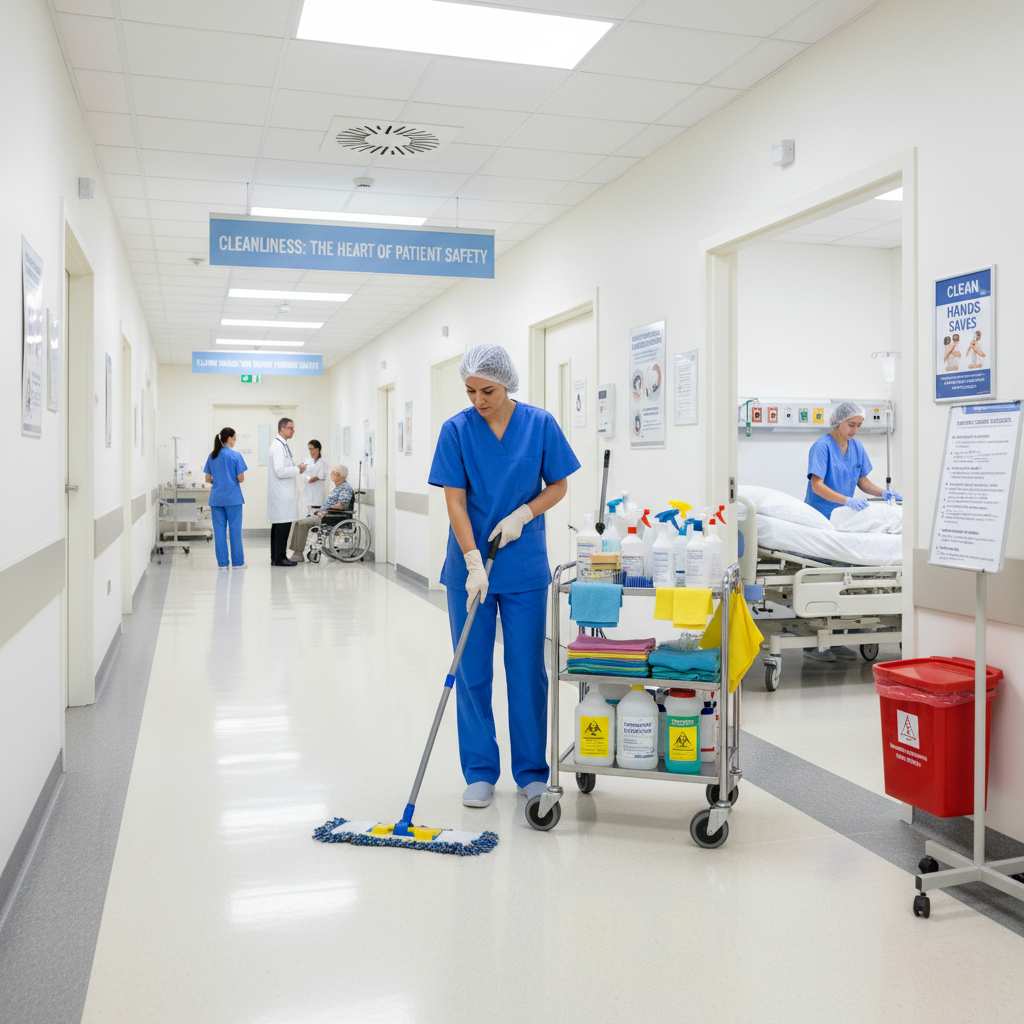
Highlights
- Hospital cleaning roles are vital for patient safety and infection prevention in healthcare settings.
- Opportunities for career advancement make hospital cleaning a rewarding entry point into healthcare professions.
Summary
Cleaning jobs in hospitals are essential roles within healthcare facilities focused on maintaining sterile, safe, and hygienic environments to protect patients, staff, and visitors from infections and contaminants. These positions range from entry-level hospital cleaners and housekeepers to specialized environmental services (EVS) technicians and infection control specialists who utilize advanced cleaning techniques and hospital-grade disinfectants to meet stringent health and safety standards. Though often working behind the scenes, hospital cleaning staff play a critical role in infection prevention, contributing directly to patient safety and improved healthcare outcomes.
The responsibilities of hospital cleaning personnel include sanitizing patient rooms, operating rooms, common areas, and handling medical waste, requiring strict adherence to protocols and regulatory compliance set by organizations such as the Centers for Disease Control and Prevention (CDC) and the Occupational Safety and Health Administration (OSHA). To ensure effectiveness and safety, many healthcare institutions provide comprehensive training and certifications, such as the Certified Health Care Environmental Services Technician (CHEST) credential, which enhance worker competency and support career advancement.
Hospital cleaning careers offer stable employment with opportunities for growth into supervisory and specialized roles, making them an important entry point into healthcare professions. Despite challenges related to physical demands, chemical exposure, and emotional strain, many workers find personal satisfaction in contributing to patient well-being and the overall healing environment. The increasing recognition of environmental services’ impact on reducing healthcare-associated infections underscores the vital nature of these roles within healthcare systems.
Ongoing industry efforts to improve training quality, promote professional development, and advocate for EVS workers’ well-being have elevated the profile of hospital cleaning jobs, highlighting their critical contribution to healthcare quality and safety. As healthcare facilities continue to face staffing shortages, these careers remain both necessary and rewarding, providing meaningful pathways for individuals committed to supporting patient care through environmental health.
Overview of Cleaning Jobs in Hospitals
Cleaning jobs in hospitals encompass a variety of roles that are essential for maintaining a sterile, safe, and hygienic environment for patients, staff, and visitors. These positions range from entry-level roles such as hospital cleaners or housekeepers to more specialized roles like infection control specialists and environmental services (EVS) technicians. Hospital housekeepers, also known as janitors, custodians, or EVS technicians, are responsible for cleaning and disinfecting multiple areas including patient rooms, waiting areas, operating theaters, restrooms, cafeterias, and administrative offices to ensure these spaces remain sanitary and safe.
The duties performed by hospital cleaning staff include floor care, waste management, disinfecting surfaces, disposing of medical waste, and restocking hygiene supplies. They utilize a variety of tools and equipment such as mops, vacuums, floor polishers, high dusters, and ladders to carry out their tasks effectively. Additionally, specialized hospital-grade disinfectants and advanced cleaning techniques are used to address the unique sanitary challenges faced by healthcare facilities. Proper training on the use of these products and techniques is critical to ensure both safety and compliance with health regulations.
Hospital cleaning personnel often work behind the scenes but play a vital role in infection control and patient safety, sometimes spending more time in patient rooms than clinical staff themselves. To maintain high standards, healthcare facilities implement structured training programs, defined performance competencies, and supervisory oversight to support cleaning staff in their work. Moreover, established processes such as the 5 Zone/2 Zone (5Z/2Z) disinfection method help prevent cross-contamination and uphold rigorous cleanliness standards. These roles offer varied and impactful career paths for individuals passionate about contributing to healthcare through environmental services.
Qualifications, Skills, and Certifications Required
To pursue a career in hospital cleaning or Environmental Services (EVS), candidates typically start by applying for entry-level positions that often include on-the-job training provided by many healthcare facilities. While formal education requirements are generally minimal, completing high school with coursework in health, biology, math, and communications can be beneficial in preparing for the responsibilities associated with the role, such as managing inventories, adhering to health-related safety precautions, and effectively communicating with patients and medical staff.
Key skills for success in hospital cleaning roles include strong attention to detail, a conscientious and reliable attitude, and strict adherence to health and safety protocols. Teamwork and communication skills are also essential, as EVS technicians typically work within teams and collaborate closely with clinical and support staff to maintain a clean and safe hospital environment, which in turn contributes to better patient outcomes.
Certifications play an important role in advancing a career in this field. Pursuing recognized certifications, such as those in environmental services, healthcare safety, or cleaning standards, can enhance qualifications and open doors to positions with greater responsibility. Notable programs include the Certified Health Care Environmental Services Technician (CHEST) certification, which uses a train-the-trainer model to ensure mastery of proper cleaning and disinfection techniques and the safe handling of chemicals. Additionally, industry-accredited training programs like the CloroxPro HealthyClean Specialist and Manager Courses provide comprehensive knowledge and skills for effective and safe healthcare cleaning, meeting high standards of program quality and comprehension.
Typical Responsibilities and Duties
Hospital cleaning staff play a vital role in maintaining a safe and sterile environment within healthcare facilities. Their primary responsibilities include cleaning and sanitizing patient rooms, operating theaters, waiting areas, and other common spaces to prevent the spread of infections and ensure patient safety. Tasks often involve disinfecting high-touch surfaces, managing waste disposal—particularly medical waste—and following strict hygiene and sanitation protocols.
Cleaning duties may also extend to floor care, such as mopping and sweeping, as well as handling specialized cleaning tasks that could require equipment like ladders to reach elevated areas. Attention to detail is essential to effectively reduce healthcare-associated infections, especially in high-risk areas like intensive care units where vulnerable patients reside.
Infection control measures are integral to the role, requiring cleaning personnel to adhere to guidelines for using hospital-grade disinfectants and proper hand hygiene practices to minimize cross-contamination. They must also comply with regulatory standards set by organizations such as OSHA and the CDC, which govern safe and legal cleaning operations within healthcare settings.
Additional responsibilities include the proper stocking and handling of cleaning supplies and chemicals, observing recommended contact times for disinfectants, and following labeling protocols to ensure safe usage. Effective communication and teamwork are important, as cleaning staff often coordinate with supervisors and healthcare personnel to prioritize tasks and address safety concerns promptly.
Work Environment and Conditions
Hospital cleaning jobs typically involve working in various areas such as patient rooms, baths, laboratories, offices, and hallways, requiring thorough cleaning and sanitizing of surfaces and equipment to maintain a safe and hygienic environment. Cleaners and housekeepers in hospitals often spend most of their workday on their feet, performing physically demanding tasks that include pushing equipment, moving furniture, and lifting objects weighing up to 30 pounds. The role requires strength, flexibility to kneel, crawl, stoop, or bend, and manual dexterity to handle cleaning tools and open containers.
These positions are generally full-time and may involve working nights, weekends, and holidays to ensure continuous cleanliness and infection control throughout the facility. Some hospital cleaning staff work independently, while others may be part of teams, though staffing levels can vary and sometimes lead to heavy workloads, especially during periods of high patient occupancy. The physical and emotional demands of the job are significant; employees often feel a sense of contribution to the patient healing process but can also experience emotional strain related to patient distress or death encountered during their duties.
Cleanliness in healthcare settings is critical not only for patient comfort but also for safety, helping to prevent infections and protect patients, visitors, and staff from disease transmission. Hospital cleaning technicians employ specialized products and methods that control infections effectively without compromising indoor air quality. They navigate a complex environment involving multiple stakeholders, including physicians, patients, visitors, contractors, and medical staff, all of whom interact within the facility. This demanding and essential role is often behind the scenes but plays a vital part in the smooth operation of healthcare institutions.
Training, Certifications, and Skills Development
Training and certifications play a critical role in preparing cleaning professionals for healthcare environments, where effective cleaning and disinfection practices directly impact patient safety and infection control. Many hospitals provide on-the-job training for entry-level cleaning staff, emphasizing practical experience, adherence to health and safety protocols, and strong attention to detail. However, to advance in this field and meet increasing industry demands, formal certifications and specialized training programs are highly beneficial.
One of the most recognized certification programs is the Certified Health Care Environmental Services Technician (CHEST) offered by the Association for the Health Care Environment (AHE). CHEST uses a train-the-trainer model to ensure front-line technicians demonstrate entry-level competency in cleaning and disinfection techniques, chemical handling, and regulatory compliance. This certification fosters a more confident and professional cleaning workforce that contributes to better patient outcomes.
The CloroxPro HealthyClean Trained Specialist and Trained Manager Courses represent another industry-leading certification. These on-demand interactive courses are the only certificate programs accredited by the American National Standards Institute National Accreditation Board (ANAB), meeting rigorous standards for training quality and comprehension. They equip cleaning professionals with the skills and confidence needed to improve cleaning effectiveness, efficiency, and safety in healthcare settings.
Specialized certifications also exist for non-acute care environments, such as the Certificate in Non-Acute Care Cleaning (CNACC) Train-the-Trainer (T3) program. This initiative trains environmental services leaders to educate their teams on pathogen control and disinfection beyond acute care, promoting safer environments in specialized healthcare facilities.
In addition to certifications, many comprehensive cleaning and infection control courses integrate international standards from organizations like the Centers for Disease Control and Prevention (CDC), World Health Organization (WHO), and the UK NHS National Cleaning Standard. These courses combine infection control principles with advanced cleaning skills to maintain high-quality hygiene in medical centers.
Training programs also focus on critical regulatory compliance, including OSHA and CDC requirements, safe handling of biohazards, medical waste disposal, and infection prevention protocols. Certified providers are equipped to meet these standards, ensuring legal compliance and minimizing infection risks in healthcare facilities.
Career development pathways in healthcare cleaning range from entry-level positions requiring minimal formal education to advanced leadership roles attained through associate, bachelor’s, or master’s degrees. Certifications and ongoing skills development enhance employability and open opportunities in diverse environments such as hospitals, long-term care facilities, government agencies, and private consulting firms.
Career Path and Advancement Opportunities
Hospital cleaning positions serve as an important entry point into healthcare careers, offering both immediate employment and pathways for long-term professional growth. Individuals beginning as hospital cleaners develop essential skills such as attention to detail, physical stamina, and the ability to follow strict cleaning and infection control protocols, all of which are critical in maintaining safe healthcare environments. These foundational skills not only contribute to patient safety but also prepare workers for further responsibilities within healthcare facilities.
As cleaners gain experience and demonstrate reliability, advancement opportunities become available. Potential career progressions include roles such as lead cleaner or environmental services supervisor, where individuals take on managerial duties including overseeing cleaning staff, managing schedules, and ensuring compliance with health regulations. Supervisory positions typically involve balancing workforce management with adherence to infection prevention standards, reinforcing the vital role of hospital cleaning in patient care.
The ratio of cleaning staff to supervisors varies based on institutional needs, with some guidelines suggesting an upper limit of about 20 cleaning staff per supervisor to maintain effective oversight and quality control. This highlights the importance of adequate staffing levels, training, and education in supporting both operational efficiency and compliance with health and safety protocols.
Beyond supervisory roles, there are broader career opportunities within healthcare for those interested in administration or specialized fields. Healthcare careers often encourage continuing education and credential advancement, allowing workers to move into areas such as healthcare administration, policy making, or clinical roles by acquiring additional qualifications. For example, workers may leverage their experience and pursue further education to transition into positions with higher responsibility and earning potential.
Training programs tailored for hospital cleaning staff emphasize comprehensive infection control and quality cleaning standards based on international guidelines from organizations such as the CDC, WHO, and NHS. These programs equip employees with up-to-date knowledge and transferrable skills that enhance career prospects and contribute to improved patient outcomes. EVS leaders, in particular, receive specialized instruction to train their teams and oversee critical cleaning procedures, including those in sensitive areas like surgical suites, ensuring compliance with regulations such as HIPAA.
Challenges and Rewards
Working in hospital cleaning roles presents a unique set of challenges and rewards that shape the career experience for environmental services (EVS) professionals. One of the primary challenges is the range of health and safety risks faced daily. These include manual handling, exposure to wet work, working at heights, and the use of potentially hazardous cleaning chemicals, some of which have been linked to respiratory symptoms and other occupational health concerns. Protecting workers’ hands, skin, and eyes, as well as preventing musculoskeletal disorders and safeguarding respiratory health, requires comprehensive safety protocols and ongoing training. Additionally, compliance with strict infection control standards is essential, involving the use of EPA-registered disinfectants, standardized procedures such as two-step cleaning with validated dwell times, and regular certification and competency assessments to ensure effective and safe cleaning practices.
Despite these challenges, hospital cleaning roles offer significant rewards and opportunities. Job stability is a major advantage, as hospitals operate 24/7 and continuously require cleaning and maintenance staff. The role also provides variety, with daily tasks and situations that allow workers to make a tangible impact on patient care and safety. Many EVS professionals find personal satisfaction in knowing their work contributes directly to the health and well-being of patients and the overall healing environment. This sense of purpose is reinforced by the recognition that clean environments help build patient trust and confidence in healthcare teams. Furthermore, successful EVS teams often build strong collaborative relationships with clinical staff and other hospital support services, fostering a team-oriented atmosphere that benefits both staff and patients.
Career advancement opportunities also exist within this field. With experience and additional training, workers can specialize in areas such as infection control or move into senior supervisory roles, expanding their skill sets and professional growth. Investing in specialized healthcare cleaning training programs helps build reliable, skilled teams that adhere to best practices and maintain high standards of cleanliness and infection prevention, which are critical in healthcare settings.
Impact on Healthcare Outcomes
Healthcare environmental services (EVS) play a critical role in improving healthcare outcomes by minimizing the risk of healthcare-associated infections (HAIs), which are a major source of morbidity and mortality in medical facilities. HAIs affect approximately one in every 31 hospital patients, contributing to prolonged hospital stays and increased healthcare costs. Contaminated surfaces, especially those frequently touched, serve as reservoirs for pathogens and facilitate their transmission, making effective cleaning and disinfection essential to patient safety.
Traditional cleaning methods in hospitals have often proven inefficient, highlighting the need for improved environmental hygiene practices. Horizontal interventions, when appropriately implemented, offer a more affordable and impactful approach to hospital decontamination. Professional commercial cleaning adheres to stringent standards and protocols designed to reduce infection risks, employing safe products and methods that control bacteria without compromising air quality or patient comfort.
The quality of cleaning techniques directly influences the effectiveness of infection control. Studies have demonstrated that the skill and technique of cleaning staff significantly reduce environmental contamination, thereby lowering infection rates. Additionally, healthcare organizations emphasize training requirements, performance standards, and monitoring systems for cleaning personnel to maintain high-quality cleaning services. These protocols include approved cleaning products, use of personal protective equipment (PPE), and adherence to hand hygiene guidelines, all aligned with national and subnational policies to ensure compliance with regulatory standards.
Beyond infection prevention, EVS workers contribute positively to the overall patient experience by maintaining clean and safe environments. Their efforts foster a positive patient safety culture that encourages collaboration and respect among clinical and support staff, which is crucial for effective implementation of cleaning strategies and ultimately improves healthcare outcomes[
Salary, Employment Trends, and Job Security
Salaries in healthcare-related roles, including hospital cleaning jobs, vary significantly depending on educational attainment, job responsibilities, experience, and geographic location. For example, community health workers with associate degrees typically earn median salaries between $46,590 and $57,920, while those with bachelor’s degrees may earn from $62,860 up to $95,290. Leadership roles requiring master’s degrees often exceed median salaries of $81,000. Geographic factors and demand for specific skills also influence pay, with remote or underserved areas sometimes offering higher-than-average wages to attract healthcare professionals.
Employment trends in healthcare support services are positive, with environmental health professionals projected to experience growth rates double the average for all occupations. Specifically, the U.S. Bureau of Labor Statistics anticipates a 6.2% growth rate from 2022 to 2032, equating to roughly 6,900 new jobs annually over the next decade. Additionally, the healthcare industry is currently facing staffing shortages, making it an opportune time to pursue careers in healthcare support roles, including hospital cleaning positions.
Job security in hospital cleaning and maintenance roles is generally strong due to the continuous, 24/7 operation of healthcare facilities. This ensures ongoing demand for cleaning staff to maintain safe and sanitary environments. The work also offers variety and personal satisfaction, as employees contribute directly to patient health and well-being. With experience and additional training, there are pathways for advancement into senior or specialized roles such as infection control.
Resources and Support for Hospital Cleaning Staff
Hospital cleaning staff play a vital role in maintaining a sterile and safe healthcare environment by performing tasks such as disinfecting patient rooms, operating theaters, and common areas, managing waste, and adhering to strict infection control protocols. Recognizing the importance of these roles, various resources and support systems have been developed to enhance their skills, professional growth, and well-being.
One of the key resources available is specialized training and certification programs. For example, the Certified Health Care Environmental Services Technician (CHEST) program offers evidence-based, best-practice training designed to ensure competency in cleaning and disinfection techniques, as well as the appropriate selection and handling of cleaning chemicals. Similarly, the CloroxPro HealthyClean Trained Specialist and Trained Manager Courses provide accredited, on-demand interactive training modules that equip hospital cleaning staff with the knowledge and skills necessary to perform their duties effectively, efficiently, and safely. Additionally, the CSCT Train-the-Trainer program prepares participants to facilitate staff training and certification within their departments, supporting ongoing education and skill development.
Beyond technical training, hospital cleaning staff often view their work as integral to the patient healing process, fostering a sense of purpose and connection to healthcare outcomes. Employers like Encompass Health emphasize creating a supportive, inclusive, and caring workplace culture that promotes professional development and teamwork, contributing to staff satisfaction and retention.
Professional organizations, such as the Association for the Health Care Environment (AHE), also provide valuable support by representing environmental services professionals, offering certification opportunities, and advocating for best practices across all levels of the environmental services profession. These organizations help foster a community of practice that elevates standards and recognizes the critical role of hospital cleaning staff within healthcare systems.
The content is provided by Blake Sterling, ficustolife