Highlights
- Walk-in tubs enhance safety and independence for seniors and individuals with mobility challenges.
- The market for walk-in tubs is expanding rapidly, anticipated to reach $15 billion by 2025.
Summary
Walk-in tubs are essential for seniors and those with mobility issues, offering safety and therapeutic benefits for independent living. The market is forecasted to reach roughly $15 billion by 2025, growing at 7% annually through 2033, emphasizing their increasing importance. Key safety features include low step-in thresholds, built-in seating, and slip-resistant flooring, designed to minimize fall risks and meet accessibility standards like those of the ADA.
Medical professionals endorse these tubs for their ability to alleviate joint pain and enhance circulation via hydrotherapy systems. While the benefits are significant, potential buyers encounter high costs, ranging from $2,000 to $25,000, and limited consumer protections that vary across manufacturers. Evaluating warranties and exploring financial assistance options, such as veterans’ programs or Medicaid waivers, can help navigate the financial landscape.
Choosing the Right Walk-In Tub
Selecting a walk-in tub hinges on individual user needs, preferences, and budget. Due to the diverse offerings in the market, it’s essential to identify a reputable manufacturer whose products align with specific requirements. Recent evaluations have pinpointed top brands like Safe Step and American Standard, known for their solid warranties and installation support, emphasizing safety while enhancing user experience.
Consideration of mobility challenges and the specific safety features needed will inform your choice, ensuring that the selected tub provides both functionality and peace of mind.
Construction and Design Features
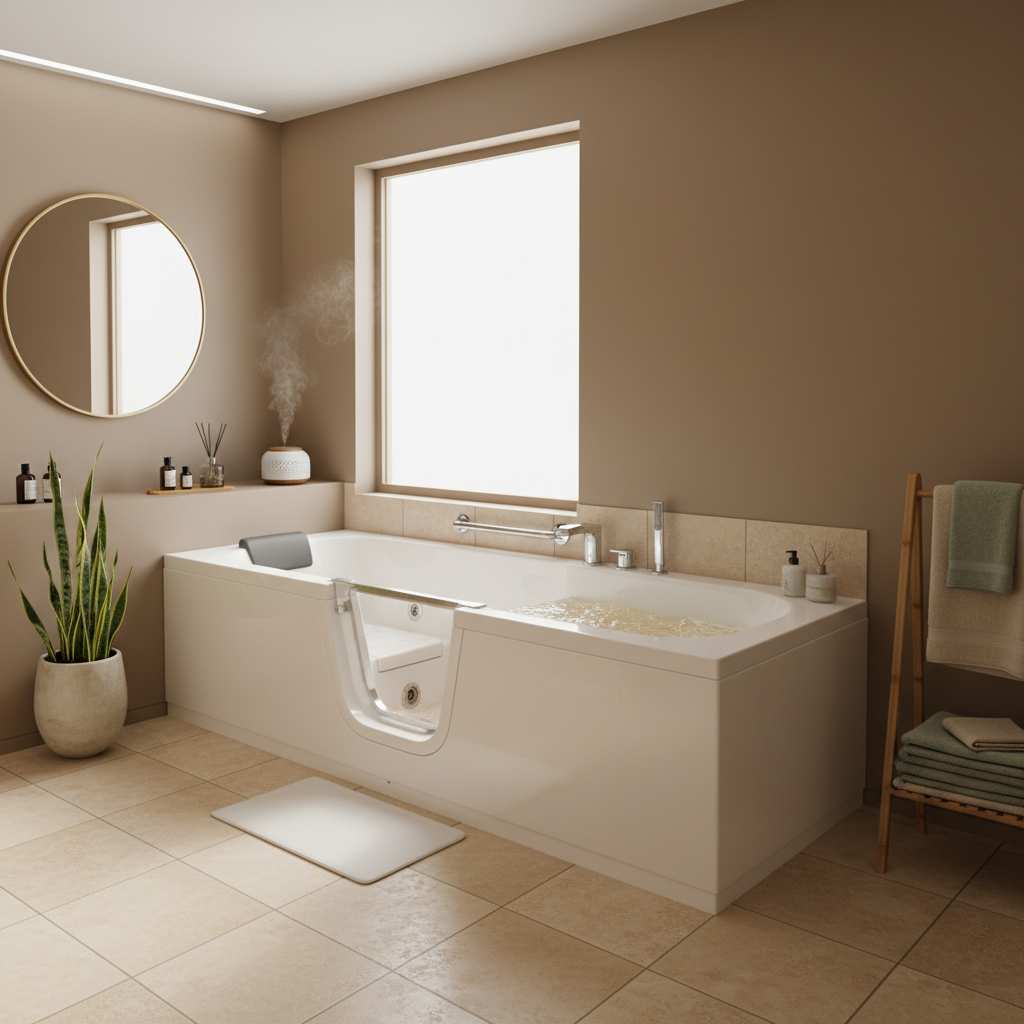
Walk-in tubs typically use durable materials like acrylic or fiberglass for long-term use in wet environments. These tubs often come with features like cushioned seating and various hydrotherapy options that enhance comfort and therapeutic benefits. The choice of materials impacts cost, with acrylic tubs generally being more expensive due to their durability.
Modern designs not only prioritize safety but also aesthetic appeal, allowing customization to match existing bathroom decor. Ensuring that the tub has a low-threshold entry and additional safety features like grab bars can enhance usability for seniors.
Essential Features and Benefits
Key features of walk-in tubs contribute significantly to user safety and comfort. Low step-in thresholds and built-in seating ease access and reduce fall risks, addressing mobility concerns prevalent in seniors. Anti-slip flooring is standard, enhancing stability during use.
Beyond safety, hydrotherapy jets are common in these tubs, providing therapeutic benefits for conditions like arthritis. The inclusion of features such as heated seats and aromatherapy further enhances the bathing experience, making it not only safe but also relaxing.
Accessibility Guidelines
Accessibility is essential in walk-in tub design, enabling effective use by seniors and individuals with mobility impairments. Although there isn’t formal ADA certification for walk-in tubs, adherence to ADA standards, such as seat height and grab bar placement, is crucial. Features like a low entry threshold and clear floor space facilitate safe transfer from wheelchairs or walkers.
Additional built-in safety features like slip-resistant flooring and adjustable seating maximize stability and ease of access, catering to diverse user needs and ensuring a safe bathing environment.
Health Impacts and Considerations
Walk-in tubs provide notable health benefits, particularly through hydrotherapy, which alleviates pain and enhances mobility. Regular use can reduce fall risks, allowing seniors to maintain independence while minimizing injuries associated with traditional bathing methods. Studies indicate these tubs can decrease fall-related injuries significantly.
While they support wellness, prospective buyers should consult healthcare professionals to ensure suitability and manage any contraindications related to existing health conditions. This step ensures that adaptations are medically appropriate and contribute positively to the user’s quality of life.
Installation Process
Installing a walk-in tub typically involves replacing an existing bathtub, allowing for a straightforward upgrade with minimal disruption. Professional installation services streamline this process, with certified installers managing the necessary plumbing and electrical work. Many reputable brands promise efficient installation, often completing the process within a day.
Understanding the door type—whether inward or outward swinging—is crucial for ease of use, influencing the tub’s layout within the bathroom. During installation planning, be aware of available financing options to ease the financial burden as well as potential special programs for senior assistance.
Understanding Costs and Financial Support
The cost of walk-in tubs varies significantly, with basic models starting around $2,000 and luxury options reaching $25,000. Most mid-range models that meet ADA standards are priced between $5,000 and $10,000. While manufacturers often do not publicly list prices, consultations can tailor suitable options to individual budgets.
Financial assistance may be available through various programs, such as Medicaid waivers, veterans’ assistance, and potential tax deductions for medically necessary modifications. Additionally, some manufacturers offer flexible payment plans to help make these essential safety features more accessible to seniors.
Warranties and Consumer Protections
Warranties are vital for ensuring long-term satisfaction with walk-in tubs, often providing lifetime guarantees that cover essential parts and labor. Companies like Safe Step and American Standard offer robust warranty packages, crucial for peace of mind regarding your investment. Prioritizing manufacturers with strong warranties can mitigate concerns regarding product durability.
Understanding available financing options is also essential, as these can help alleviate the upfront financial burden. Engage with manufacturers directly to explore warranty details and possible financing arrangements tailored to individual needs.
Emerging Innovations in Walk-In Tubs
Technological advancements in 2025 are enhancing walk-in tub safety and usability. Features like anti-slip textured bases improve user security, while water management capabilities promise quicker filling and improved service. Keep an eye out for industry trends aimed at elevating comfort and compliance with safety standards as products evolve.
Alternative Solutions
While walk-in tubs provide substantial benefits, alternatives like walk-in showers and portable bath lifts can cater to varying needs and budgets. Walk-in showers offer ease of access, with low thresholds enhancing safety, while bath lifts allow users to continue using standard tubs without permanent changes. Exploring these alternatives can provide options that align with personal mobility requirements and financial considerations.
Ensuring an appropriate setup that maximizes space and accessibility remains critical, whether opting for a walk-in tub or alternative bathing solutions. Each option presents unique advantages, contributing to the individual’s bathing experience and overall bathroom safety.
Top Brands and User Feedback
Notable brands in the walk-in tub market include American Standard, Kohler, and Ella’s Bubbles, all recognized for their commitment to safety and comfort. Each brand offers a range of models with varying features that cater to different user needs and preferences.
User reviews frequently highlight satisfaction with safety features and professional installation, emphasizing the importance of reliable service in enhancing the overall experience. While exploring options, it’s beneficial to consider the reputations of different brands and any available user support to ensure a satisfying purchase.
The content is provided by Sierra Knightley, ficustolife