Highlights
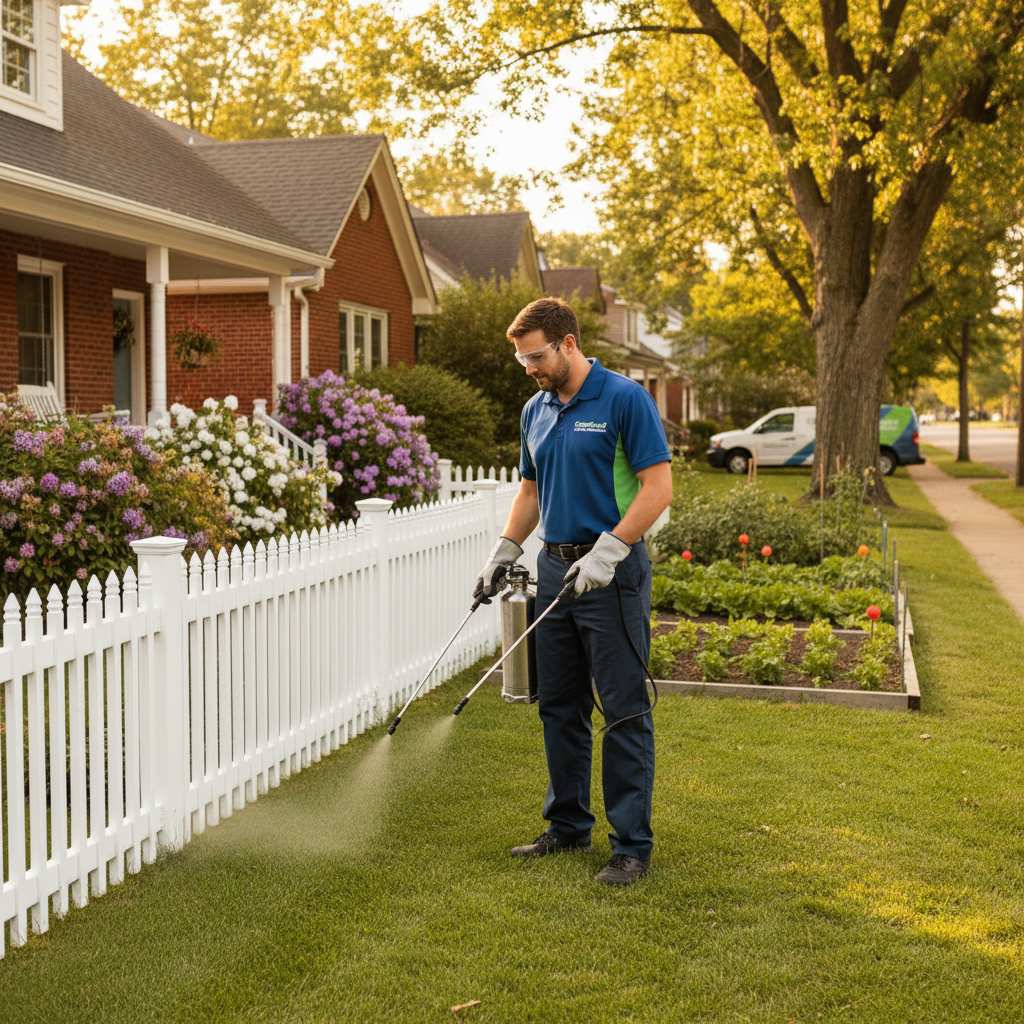
- Local pest control providers offer personalized solutions tailored to specific regional challenges.
- Eco-friendly pest management practices minimize environmental impact and cater to consumer demand for sustainability.
Summary
Discover Top Local Pest Control Services: A Comprehensive Guide provides an in-depth overview of the pest management industry with a focus on the advantages and nuances of local pest control providers. Local pest control services distinguish themselves from national chains by offering personalized, community-oriented solutions tailored to the specific pest challenges and environmental conditions of their regions. This regional expertise enables more effective prevention and eradication strategies, fostering stronger customer relationships and improved satisfaction through direct communication and customized treatment plans.
The guide explores the diverse types of pest control services available, including general pest control, termite and bed bug eradication, commercial applications, and eco-friendly Integrated Pest Management (IPM) approaches. Emphasis is placed on sustainable practices that minimize environmental impact by prioritizing targeted treatments, biological controls, and preventative methods over broad chemical use. These environmentally responsible techniques align with growing consumer demand for green pest control solutions and contribute to preserving local ecosystems and human health.
Choosing a reputable local pest control service requires attention to certifications, licensing, transparency, and customer reputation. The guide highlights the importance of regulatory compliance and adherence to safety protocols to protect consumers, workers, and the environment. It also addresses challenges faced by the industry in implementing eco-friendly pest management, balancing efficacy, cost, and consumer education while maintaining trust in a competitive market. The role of community engagement and positive online presence is underscored as key factors in building lasting customer loyalty and business success.
Overall, this comprehensive guide presents local pest control services as vital contributors not only to effective pest management but also to local economies, environmental stewardship, and public health. It equips property owners, businesses, and consumers with essential knowledge to make informed decisions about pest control options that best fit their needs and values.
Importance of Local Pest Control Services
Local pest control services offer a personalized and community-focused approach to managing pest problems. Unlike large national chains, local companies possess extensive knowledge of the pests common to their specific area, allowing them to deliver more effective and tailored treatments. They understand local pest behaviors, seasonal patterns, and environmental factors that influence infestations, which leads to superior prevention and elimination strategies. This regional expertise is difficult to replicate by national providers who often rely on standardized schedules and remote call centers.
A key advantage of choosing local pest control companies is their commitment to customer satisfaction and long-term relationships. Because their reputation depends heavily on community referrals and repeat business, local providers prioritize clear communication, honest assessments, and dependable follow-through. Customers are more likely to interact directly with knowledgeable staff who understand their service history and care about achieving lasting results. This personalized service also enables flexible treatment frequencies tailored to the unique needs of each property.
Beyond improved service quality, supporting local pest control businesses has significant economic and social benefits. These companies reinvest in their communities, helping to keep money circulating locally and fostering job creation by hiring residents. Their interconnectedness with other local businesses strengthens the broader community ecosystem, from accounting services to catering, which enhances overall economic resilience.
Local pest control services also play a critical role in promoting environmentally responsible pest management. Increasingly, they adopt eco-friendly methods such as targeted treatments, integrated pest management (IPM), and the use of natural predators to minimize chemical residues and protect beneficial wildlife. These sustainable practices help maintain ecological balance while safeguarding human and pet health. By emphasizing prevention and low-risk interventions, local providers align with growing consumer demand for green pest control solutions.
For property owners and managers, partnering with a local pest control company means protecting their investments and reputations while ensuring compliance with relevant regulatory guidelines. This is especially important in sensitive environments, such as coastal regions, where maintaining the health of native flora and fauna is vital. Overall, local pest control services combine expert knowledge, personalized care, community investment, and environmental stewardship to deliver superior outcomes that benefit both customers and their neighborhoods.
Types of Pest Control Services
Pest control services encompass a wide range of treatments designed to protect homes and businesses from various unwanted insects and animals, commonly referred to as pests. These services address common infestations such as termites, ants, spiders, bed bugs, mice, and rats, among others. The methods employed vary depending on the type of pest and the severity of the infestation.
Commercial Pest Control
Commercial pest control services cater to specific industries such as food service, healthcare, hospitality, and retail. These plans include specialized protocols to ensure compliance with health regulations and maintain safety standards. Documentation and electronic pest monitoring systems are commonly used to support ongoing pest management and regulatory adherence.
General Pest Control
General pest control focuses on preventing and eliminating common pests like ants, spiders, and rodents. This often involves routine inspections, habitat modification, and the use of targeted treatments only when necessary to minimize chemical use. Mechanical pest control, which uses physical barriers or traps, is a traditional and effective approach for exclusion and removal of pests.
Termite Control
Termite control is a specialized service that includes various methods such as baiting systems, chemical soil treatments, heat treatments, and fumigation. Fumigation involves penetrating wooden structures to eliminate entire termite colonies and requires professional expertise. Early detection through regular inspections is crucial for preventing extensive damage, and service contracts often guarantee termite control for periods ranging from one to five years. Additionally, classical biological control, which introduces natural termite predators, offers a sustainable alternative.
Bed Bug Control
Bed bug services are among the most specialized and labor-intensive due to the pests’ elusive nature and resistance to some treatments. Effective eradication typically requires multiple techniques, including heat treatment and the application of chemical agents. Because of the complexity, bed bug control generally costs more than treatments for other pests.
Eco-Friendly and Integrated Pest Management (IPM)
Eco-friendly pest control methods aim to reduce environmental impact while safeguarding human and pet health. These methods prioritize prevention and use low-risk, targeted treatments such as plant-based ingredients (e.g., essential oils and botanicals) and biological agents like beneficial insects or microbial insecticides such as Bacillus thuringiensis (Bt). Integrated Pest Management (IPM) combines biological control, chemical treatments, and habitat modifications to provide effective, sustainable pest control with minimal ecological disruption. IPM is especially recommended for mosquito and tick control, involving seasonal plans and preventive measures.
Mosquito and Tick Control
Mosquito and tick control services emphasize reducing health risks associated with vector-borne diseases. Effective control employs IPM strategies that integrate biological agents, chemical treatments, and environmental management. Seasonal treatment plans and targeted applications around breeding sites help maintain pest-free outdoor areas year-round.
How to Choose a Local Pest Control Service
Choosing the right local pest control service involves several important considerations to ensure effective, personalized, and environmentally responsible pest management. Unlike larger national companies that often use a one-size-fits-all approach, local providers tailor their services to the specific needs of your property and pest issues, offering customized treatment frequencies and personalized recommendations for prevention. This individualized attention is a hallmark of local services, where customer satisfaction and lasting relationships are prioritized.
A key factor in selecting a reputable pest control company is verifying their certifications and licenses. Certifications such as those from the National Pest Management Association (NPMA), including QualityPro and QualityPro Green programs, indicate a company’s commitment to quality service and environmentally responsible practices. Additionally, pest control businesses must comply with state licensing requirements and environmental regulations to ensure safety and legality. For example, in states like Wisconsin, commercial pest control operations require licenses managed by the state’s Department of Agriculture, Trade and Consumer Protection.
Documentation and transparency are also critical when choosing a service provider. Professional Integrated Pest Management (IPM) programs emphasize meticulous record-keeping of treatments and outcomes to guide future pest control decisions based on evidence rather than guesswork. Local companies often foster transparency and community trust by engaging with customers, providing clear pricing without surprise charges, and explaining necessary versus optional services.
Another essential aspect is the company’s reputation and customer engagement. In today’s digital age, proactive reputation management through positive online reviews, authentic testimonials, and responsive communication is vital. Such efforts build credibility and trust, impacting lead generation and local search rankings. Prospective customers should look for companies that actively encourage and thoughtfully respond to feedback, as this reflects their commitment to quality service.
Finally, environmentally conscious pest control methods should be prioritized. Many local services emphasize prevention and the use of physical or biorational controls before resorting to chemical treatments. When chemicals are necessary, they use targeted applications and adhere strictly to safety instructions to minimize environmental impact and protect families and pets.
Pest Infestation Assessment and Treatment Planning
Pest infestation assessment is a critical step in effective pest management, involving a thorough inspection to detect the presence of pests, evaluate damage, and identify conditions conducive to infestation. This process is often non-invasive and combines visual assessment, environmental analysis, and detailed reporting. It typically includes searching for signs of pests such as droppings, sawdust, gnaw marks, or noises, as well as reviewing any past pest treatments or infestations. Pest inspections are commonly conducted during real estate transactions, homeowner concerns, or to satisfy lender and local regulatory requirements, particularly in regions prone to termites and other wood-destroying insects.
Monitoring plays a foundational role in pest infestation assessment by enabling regular inspections throughout the growing season. This allows pest managers to detect pests early, assess the effectiveness of control measures, and gather site history information that aids in anticipating future problems. Once monitoring and identification indicate that pest control is necessary, integrated pest management (IPM) principles guide the selection of appropriate treatment methods. IPM prioritizes effective yet less risky control options, such as targeted chemicals like pheromones, mechanical controls including trapping, and cultural practices that prevent infestations through sanitation and management.
Treatment planning requires clear communication and cooperation between the pest control company and the client. Understanding the treatment approach, including any responsibilities the client must undertake, is essential for successful pest control outcomes. Pest control operators should provide detailed information about any chemicals used, including material safety data sheets, to ensure safety and compliance. Proper storage and disposal of pesticides are also critical to protect both human health and the environment.
Choosing the right pest control service involves balancing cost with competency and quality. Misuse of pesticides can lead to health risks and property damage, making it important to select a company that demonstrates expertise and professionalism. Effective treatment plans often incorporate multiple methods—mechanical, chemical, biological, physical, and cultural—to address infestations comprehensively while minimizing environmental impact. Modern pest control increasingly adopts eco-certified products, targeted treatments, and IPM strategies to align efficacy with environmental responsibility.
Pest Control Methods and Techniques
Pest control employs a variety of methods and techniques tailored to the type of pest and the environment in which control is needed. The primary approaches include mechanical, chemical, biological, physical, and cultural methods, often combined within an Integrated Pest Management (IPM) framework to maximize effectiveness while minimizing environmental impact.
Integrated Pest Management (IPM)
IPM combines multiple pest control methods into a cohesive, strategic approach. It involves regular monitoring, accurate pest identification, and action thresholds to determine when control is necessary. IPM prioritizes less risky methods—such as mechanical traps, biological agents, and cultural practices—reserving chemical treatments for situations where other methods are insufficient. This evidence-based strategy balances efficacy with environmental responsibility, aiming to deliver sustainable pest control with minimal ecological impact.
By employing a mix of these methods and adapting strategies to specific pest challenges, pest control professionals can provide effective and environmentally conscious services tailored to customer needs.
Mechanical and Physical Methods
Mechanical pest control involves hands-on techniques and the use of physical devices such as traps, barriers, and manual removal to capture, exclude, or eliminate pests. This method includes sealing cracks, vacuuming insects, and using traps that physically remove pests without chemicals, making it especially effective against cockroaches, termites, bed bugs, and rodents. Physical pest control also encompasses environmental modifications like tillage in agricultural settings, which exposes soil-dwelling pests to natural predators, thereby reducing pest populations without chemical use.
Chemical Methods
Chemical pest control relies on pesticides, including insecticides, rodenticides, and herbicides, which have been a cornerstone of pest management since the 1950s. Rodenticides target rodents such as mice and rats but require careful application due to their toxicity to pets and wildlife. Chemical pesticides, while effective for rapid pest knockdown, pose concerns such as pollution, non-target effects, and the development of pest resistance. Therefore, their use is often reserved as a last resort within IPM programs, emphasizing precise, targeted applications and adherence to safety regulations.
Biological Methods
Biological pest control leverages natural predators, parasites, or pathogens to reduce pest populations. Examples include using ladybugs to consume aphids, nematodes attacking soil grubs, and Bacillus thuringiensis (Bt) bacteria targeting mosquito larvae without harming other organisms. This eco-friendly approach aligns with growing demand for sustainable pest control solutions and can effectively maintain ecosystem balance while controlling pest outbreaks.
Cultural and Preventive Techniques
Cultural pest control focuses on prevention through sanitation, habitat modification, and management practices that reduce pest attraction and breeding. This includes maintaining a clean environment, sealing entry points, trimming vegetation away from structures, and removing food sources to deter pests such as rodents and insects. These methods are essential for long-term pest management and are often integrated with other control strategies.
Safety Protocols and Regulatory Compliance
Pest control services must adhere to strict safety protocols and regulatory requirements to ensure the protection of employees, customers, and the environment. Central to these regulations is the mandatory registration, proper labeling, and thorough safety testing of all pest control products before their use. Compliance with federal guidelines forms the baseline, but businesses must also navigate varying state and local laws that address industry-specific requirements, which can differ significantly by location.
To safeguard workers and clients, pest control companies are required to follow established safety regulations and protocols, which include obtaining necessary certifications and licenses. For example, in Virginia, providers must secure either a Private Applicator or Commercial Applicator license, or become certified as Registered Technicians through the Virginia Department of Agriculture and Consumer Services. These credentials demand candidates to undergo training, experience acquisition, and examinations depending on the level of certification sought. Licensing fees and additional qualifications further regulate who can legally perform pest control on properties not owned by themselves or their employers.
Local municipalities may impose supplementary permits or regulations that must be met alongside state and federal mandates, emphasizing the layered nature of compliance efforts in the pest control industry. Licensed technicians not only uphold safety standards but also enhance a company’s credibility and reduce legal liabilities, reinforcing the importance of professional and certified service providers.
In specific industries, such as hospitality and food service, adherence to pest control standards is closely monitored due to the direct impact on public health. OSHA regulations require employers to maintain a workplace free of recognized hazards, including pest-related issues, while local health departments conduct inspections that can result in violations if pest problems are detected. Ensuring pest control measures comply with OSHA’s worker safety guidelines and public space accessibility standards is crucial for businesses operating in these sectors.
Moreover, safety considerations extend to pet owners who must use only pet-friendly pest control products and integrate pest management within regular pet care routines to maintain a safe environment for both animals and humans. Eco-friendly pest control strategies have gained prominence as they prioritize minimizing toxic exposure, protecting beneficial insects, and reducing ecological footprints while still delivering effective pest management solutions.
Environmental Regulations and Guidelines
Pest control operations are subject to a range of environmental regulations designed to protect human health and the environment. The Environmental Protection Agency (EPA) plays a central role in overseeing pesticide use, providing regulatory guidance,
Environmental Impact of Pest Control Techniques
Pest control techniques vary widely in their environmental impact, with methods ranging from biological to chemical approaches. Biological control methods prioritize the use of natural predators or parasites to manage pest populations, thereby reducing reliance on synthetic chemicals. These methods encourage the natural enemies of pests and can include sterilization programs to control populations in a sustainable way.
Mechanical or physical pest control involves the use of devices such as traps and barriers to capture, exclude, or remove pests. This approach generally has a lower environmental footprint compared to chemical methods but can still disturb habitats and local biodiversity if used excessively, especially in sensitive outdoor ecosystems. To mitigate these effects, many pest control services have adopted integrated pest management (IPM) strategies, eco-certified products, and targeted treatments to minimize ecological disruption.
Chemical pest control, which often employs synthetic pesticides, poses significant environmental risks. Chemical runoff from pesticides can contaminate soil and waterways, harming beneficial wildlife and disrupting local food chains. Additionally, synthetic pesticides may cause health issues such as skin irritation and respiratory problems in humans, raising concerns about their safety for repeated exposure in homes. Some pesticides are also regulated as hazardous waste due to their toxicity and persistence in the environment.
The growing demand for wellness and sustainability has driven innovation in eco-friendly pest control solutions. These greener strategies focus on minimizing toxin exposure, protecting pets, and preserving beneficial insects like bees and butterflies. By preventing pest problems before they arise and using low-risk, targeted treatments only when necessary, eco-friendly pest control reduces ecological footprints and supports healthier indoor and outdoor environments. This approach exemplifies coexistence with the environment, balancing effective pest management with environmental responsibility.
Challenges in Implementing Eco-Friendly Pest Management
Implementing eco-friendly pest management presents several challenges despite its growing popularity and environmental benefits. One significant hurdle is balancing efficacy with environmental responsibility. While eco-friendly methods reduce exposure to toxins and protect beneficial wildlife such as bees and butterflies, they require precise application and understanding of pest biology to match or outperform traditional chemical tactics.
Another challenge lies in the reliance on Integrated Pest Management (IPM) strategies, which focus on prevention and targeted treatments rather than complete pest elimination. This approach demands routine inspections, continuous monitoring, and tailored solutions for specific environments, which can be resource-intensive and require specialized knowledge. Businesses and homeowners must invest time and training to effectively implement these methods, potentially increasing initial costs and complexity compared to conventional pesticide use.
Compliance and safety protocols add further complications, especially for pest control companies expanding across regions. Ensuring that all staff members are thoroughly trained in chemical handling and environmental safety is critical to avoid compliance issues, worker injuries, and environmental violations. Maintaining detailed documentation and proactive training programs is essential but can strain operational resources.
Moreover, consumer education and behavior can affect the success of eco-friendly pest management. Homeowners must adopt preventative measures, such as removing food and water sources and sealing entry points, to support these strategies. Without widespread community engagement and understanding, eco-friendly practices may not achieve their full potential.
Finally, pest control service providers face the challenge of maintaining customer trust and satisfaction while promoting greener methods. Automated communication tools that share educational content, seasonal tips, and service reminders can help build authority and encourage repeat business. However, effectively integrating these technologies into business operations requires investment and adaptation.
Cost of Local Pest Control Services
Local pest control services offer a personalized and community-focused approach to pest management, which often reflects in their pricing structures. The cost of pest control varies widely depending on factors such as the type of pest, severity of infestation, and property size. For example, rodent control typically ranges from $200 to $600, influenced by the extent of the problem and the area needing treatment.
Several elements contribute to the overall price. Infestations involving hard-to-remove pests generally incur higher costs due to the need for specialized materials, techniques, and additional labor. Larger homes usually demand more extensive service, increasing the price accordingly. Inspection fees are another factor; while some companies offer free inspections, others charge between $125 and $450 for this service.
Local pest control providers often distinguish themselves from national chains by offering clearer pricing and avoiding surprise fees or aggressive upselling tactics. Pricing models in the industry include flat-rate pricing for straightforward treatments like termite or cockroach extermination, hourly rates for time-based jobs, and hybrid approaches combining both methods for more complex situations. To remain competitive and profitable, businesses research local market rates to set prices that cover operational costs without sacrificing affordability.
Given the competitive nature of the pest control industry, customers frequently evaluate providers based on online reviews, website transparency, and responsiveness before choosing a service. Effective marketing strategies that enhance visibility and build trust are crucial for maintaining a steady flow of clients. Additionally, pest control operators who focus on prevention and long-term relationships can increase revenue by encouraging regular service usage rather than one-time visits, as clients who engage proactively may use services two to three times per year.
DIY vs Professional Pest Control
When it comes to managing pest problems, homeowners and businesses often face the choice between do-it-yourself (DIY) methods and hiring professional pest control services. While DIY approaches can seem convenient and cost-effective, professional pest control offers several distinct advantages that are worth considering.
DIY pest control typically involves individuals attempting to manage pests on their own, often using over-the-counter products or home remedies. However, this method can be limited in effectiveness and may not address underlying issues that contribute to pest infestations. Moreover, DIY solutions might not always comply with local regulations or safety standards, potentially leading to health risks or ineffective treatment.
In contrast, professional pest control companies employ trained experts who not only eliminate existing pests but also focus on preventive measures. These specialists use environmentally responsible technologies designed to protect the health of residents and the broader community. By tailoring their services to individual customer concerns and pest profiles, professionals ensure a more comprehensive and long-lasting solution.
Additionally, professional services often include staff training and strict adherence to regulatory compliance, which are crucial in sensitive industries such as food service and processing. Maintaining compliance with standards like the Food Safety Modernization Act (FSMA) helps prevent foodborne illnesses and protects business reputations. Professionals are also knowledgeable about state-specific regulations and best practices, which may be challenging for non-experts to navigate.
Building Reputation and Customer Trust
In the competitive pest control market, building a strong reputation and earning customer trust are essential for business growth and long-term success. Positive online reviews and authentic testimonials act as social proof, assuring potential clients of the reliability and quality of services offered by a pest control company. Integrating reputation management into the marketing strategy by encouraging customer feedback and responding thoughtfully to reviews can significantly enhance credibility and customer confidence.
Proactive reputation management not only improves lead generation and local search rankings but also strengthens pricing power and employee recruitment efforts. Professional and transparent responses to reviews demonstrate that a company stands behind its work, which can build more trust than numerous five-star ratings alone. Sharing real customer stories, including testimonials and detailed case studies about specific pest problems and their solutions, further reinforces trust and supports SEO and content marketing strategies.
Local pest control companies have an added advantage in building trust through their deep community involvement. Being embedded in the community by sponsoring local events, supporting little league teams, and engaging in everyday local activities fosters an intangible connection with customers who value a company invested in the community’s long-term health. This local focus often translates into personalized service and higher quality outcomes compared to national chains, which tend to prioritize volume over customized solutions.
Additionally, reinvesting earnings within the community helps strengthen the local economy by creating jobs and supporting other local businesses, enhancing the overall business ecosystem that benefits both the company and its customers. Combining these efforts with consistent communication through automated appointment confirmations, follow-ups, service reminders, and sharing helpful tips or seasonal offers can maintain customer engagement and reinforce trust.
Finding and Contacting Local Pest Control Services
When seeking local pest control services, it is important to consider providers who offer a personalized and community-focused approach to pest management. Local companies prioritize customer satisfaction and often build lasting relationships by going the extra mile to resolve pest issues and provide tailored recommendations for ongoing prevention. Choosing a local professional ensures treatments are specifically suited to the infestation patterns common in your region.
Before hiring, verify the company’s licensing and certification by checking their website and contacting your state’s pesticide regulatory office if necessary. Inquire about their experience with your particular pest problem, technician training programs, and how they keep staff updated on regulations, products, and safety practices. To ensure reliability, consult organizations such as the Better Business Bureau, state Departments of Agriculture, state Attorney General’s offices, or the Environmental Protection Agency for any complaints related to pesticide misuse by the company or its applicators. Requesting free estimates and contacting several references can also help gauge customer satisfaction and service quality.
For effective communication and engagement, many pest control companies use a combination of online and offline marketing strategies. Offline methods such as print advertising—flyers, brochures, and newspaper ads—remain effective in raising local awareness, especially in densely populated residential areas. Referral programs incentivize current customers to recommend services to friends and neighbors, generating trustworthy word-of-mouth leads. Such personal referrals often convert more quickly and have greater long-term value, complementing online reputation-building efforts through review collection. Additionally, companies often employ automated campaigns for appointment confirmations, follow-ups, and service reminders, while sharing seasonal discounts, pest alerts, and helpful tips to build trust and maintain customer relationships.
The content is provided by Harper Eastwood, ficustolife