Highlights
- Bank-owned abandoned homes offer discounted prices but come with significant legal and physical risks.
- Understanding foreclosure nuances is essential for successful investments in REO properties.
Summary
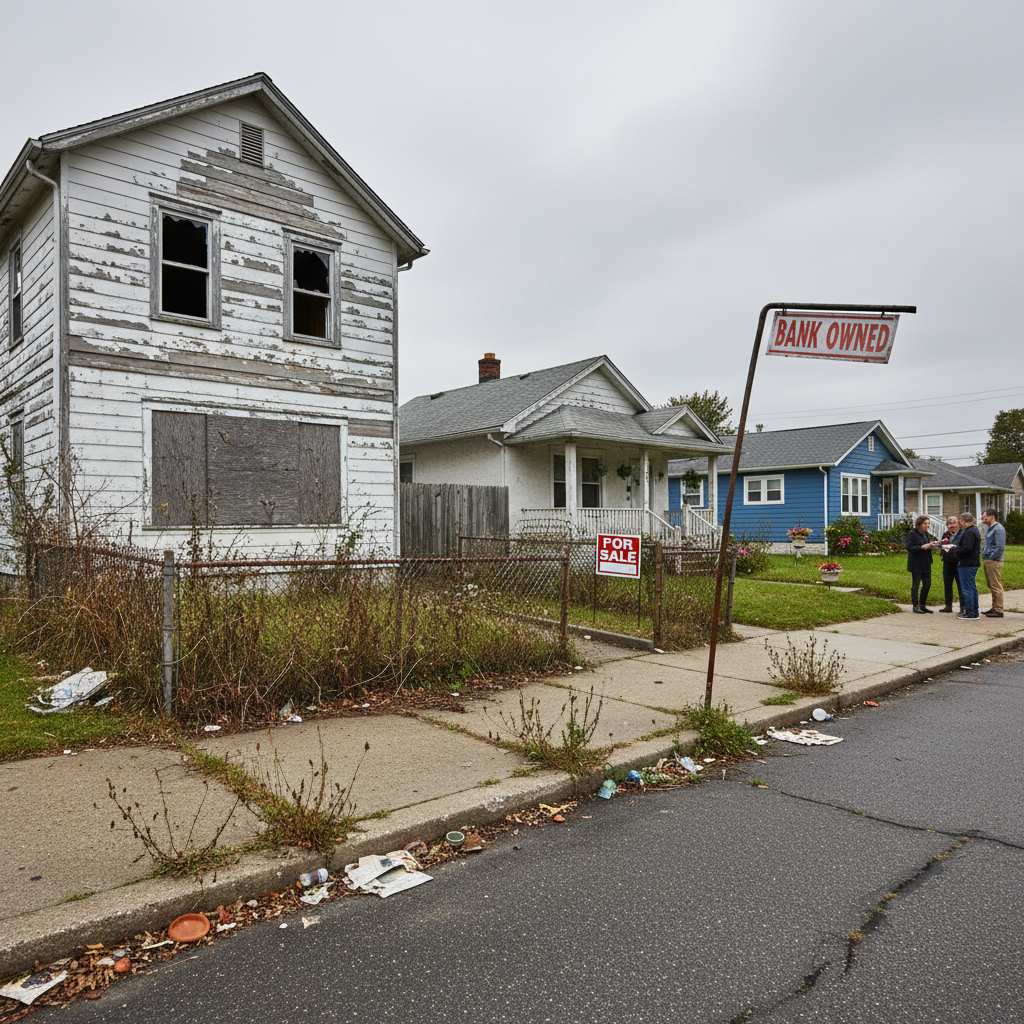
Bank-owned abandoned homes, or Real Estate Owned (REO) properties, are residential properties that financial institutions own after borrowers default on mortgage payments. Unlike generic abandoned properties, these homes have legal status as bank assets and are managed by lenders to recover outstanding loan amounts. This management is complex due to varying foreclosure laws that influence the sale timeline and involve risks for buyers, including liens and potential ownership disputes, which can lead to prolonged vacancies and neighborhood issues.
Understanding Bank-Owned Homes
Bank-owned abandoned homes arise when financial institutions repossess properties after failed foreclosure sales. Distinct from general abandoned properties, which may remain vacant for various unregulated reasons, bank-owned homes are actively managed by banks to mitigate losses. The legal classification of such properties is essential for prospective buyers and policymakers as it shapes the management and resale approaches necessary for revitalizing distressed real estate markets.
Legal Framework and Foreclosure Implications
Ownership classification, including abandoned properties, hinges on legal principles that vary by jurisdiction and make determining possession crucial. Signs of abandonment like disconnected utilities or boarded windows drive these classifications, while foreclosure processes affect how properties are handled after they remain unsold at auction. Buyers need to familiarize themselves with specific jurisdictional laws that dictate foreclosure procedures—judicial or nonjudicial—and their implications on claim rights, encumbrances, and the costs associated with acquiring these homes.
Foreclosure Timeline and Challenges
The timeline for foreclosure can range dramatically between judicial and nonjudicial processes, affecting how quickly properties become bank-owned. In nonjudicial states, foreclosures may resolve in just a few months, while judicial options can extend much longer due to court requirements. Understanding these timelines helps buyers anticipate when they might gain clear ownership, especially considering the potential for redemption periods where borrowers can reclaim properties by settling debts.
Acquisition Challenges for Banks and Buyers
When banks acquire abandoned homes through foreclosures, they often face significant liabilities regarding maintenance and management. These properties commonly necessitate extensive due diligence to unravel any title issues or liens that could affect value. Buyers must navigate complexity in property sales, ensuring they have the right financial documentation to facilitate a purchase, especially in instances where properties are sold at auction.
Management and Preservation Efforts
Managing bank-owned abandoned homes requires specialized efforts to prevent further deterioration. Mortgage servicers typically delegate property preservation tasks to professional firms, which must follow specific protocols to secure properties and mitigate damage. However, issues arise, such as unauthorized entries or neglectful management practices, that highlight the need for stringent regulations protecting homeowners’ rights during the foreclosure process.
Marketing Dynamics of Bank-Owned Homes
Bank-owned properties are marketed through auctions or specialized platforms that target potential buyers looking for distressed real estate. These homes are often sold “as-is,” leading to competitive price negotiations. Buyers should be aware that while such properties may present renovation opportunities, they also require cautious due diligence to uncover potential physical or legal challenges that could affect ownership and resale efforts.
Risks for Buyers and Investors
Purchasing bank-owned or abandoned homes comes with inherent risks, including unanticipated costs for repairs and upkeep. Buyers must also contend with unresolved title issues that complicate financing and ownership transfer. Understanding the nuances of the redemption period post-foreclosure is vital, as is the recognition that competition for these properties can drive pricing up, limiting significant discount opportunities.
Financing and Purchasing Process Insight
Buyers interested in acquiring bank-owned properties should prepare for a unique financing process, including securing a mortgage pre-approval or documenting proof of funds for auction purchases. Given the potential for title issues, understanding the purchasing landscape is crucial, allowing buyers to navigate risks effectively and engage in thorough inspections and due diligence before finalizing a sale.
Legal Protections and Due Diligence Essentials
Legal due diligence is a baseline necessity when purchasing bank-owned properties due to potential encumbrances and ownership disputes. Conducting a meticulous title search is vital to reveal any outstanding claims. If ownership issues arise, buyers may need to pursue a quiet title action, which involves considerable legal fees and time, making prevention through thorough due diligence a critical step in the purchase process.
Renovation Considerations
Renovating bank-owned homes involves significant challenges due to prior neglect and potential vandalism. Buyers should anticipate unexpected repairs that could escalate costs quickly, impacting returns. Engaging experienced professionals during the inspection phase can help identify these issues and aid in formulating a comprehensive renovation strategy that aligns with potential investment goals.
Community Impact and Policy Responses
The prevalence of bank-owned abandoned properties adversely affects community dynamics, fostering decline and rising safety concerns. Public policy responses are increasingly focused on managing these properties through streamlined processes and community initiatives. Land banks, for instance, play a critical role in rehabilitating and repurposing these assets to support local revitalization efforts and mitigate the negative impact of vacant buildings.
Best Practices for Buyer Success
Thorough due diligence is essential for buyers considering bank-owned properties, enabling them to navigate complex purchase processes and legal risks effectively. Remaining informed about foreclosure variations and identifying distressed homes through traditional methods can bolster efforts to secure valuable investments. Engaging in the purchase process with patience and caution can yield favorable opportunities in the market for bank-owned abandoned homes.
The content is provided by Avery Redwood, ficustolife