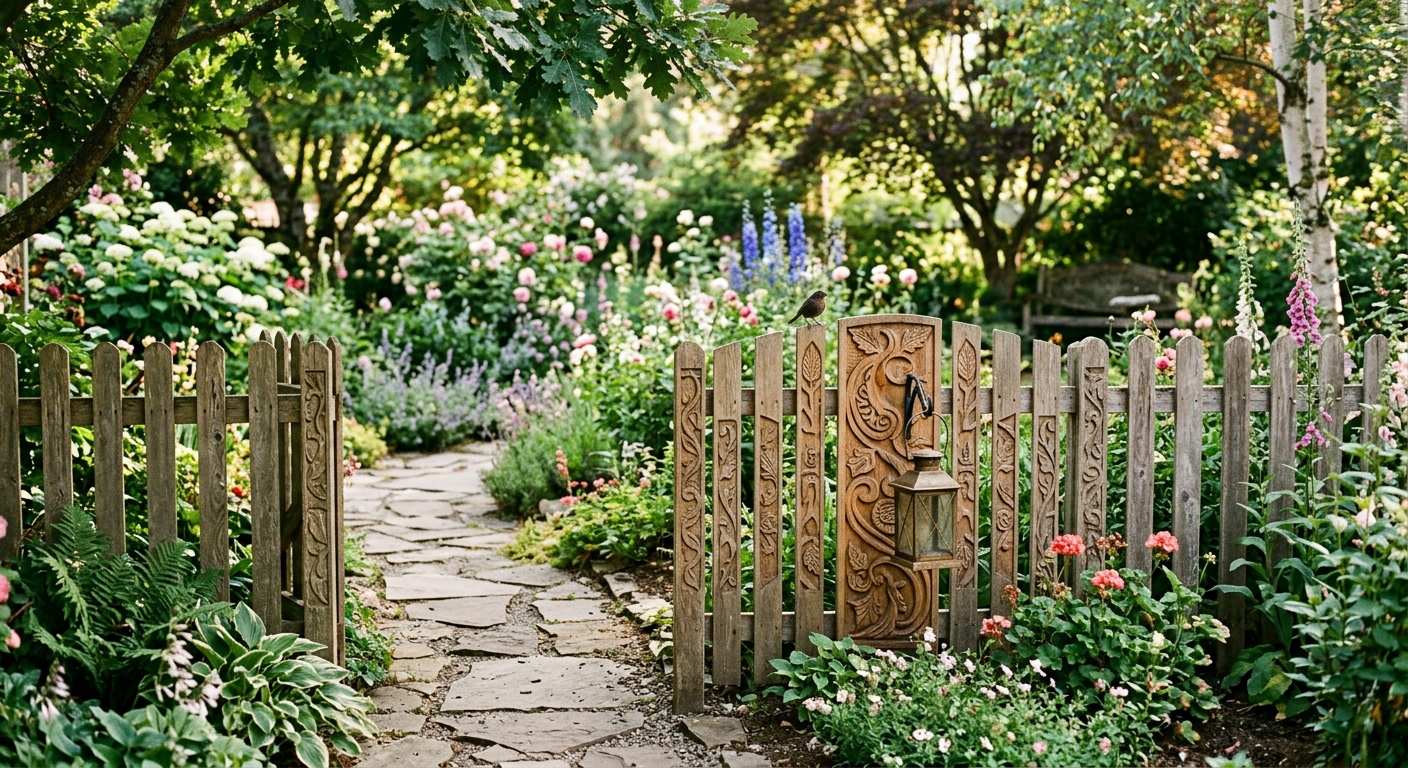
Highlights
- Decorative fence panels enhance outdoor aesthetics while boosting property value and privacy.
- Explore diverse materials and designs that reflect cultural identities and personal style preferences.
Summary
Decorative fence panels offer a compelling way to enhance outdoor spaces through aesthetic appeal and privacy. These panels integrate artistry with functionality, acting as both boundaries and design elements within gardens and landscapes. The choice of materials varies significantly, affecting durability and maintenance, while regional styles reflect cultural significance. Proper installation and upkeep are crucial for maximizing their benefits, as well as adhering to local regulations, which can impact decisions regarding style, material, and overall feasibility.
Definition and Purpose
Fences serve as practical and metaphorical barriers that delineate property lines while also providing privacy and security. Beyond functional uses, they convey cultural meanings; for instance, the iconic white picket fence symbolizes ideals of safety and belonging in American culture. The selection of fence style must align with the architectural character of the property to enhance its historical and aesthetic context.
Historical Overview
Fences have historically defined property boundaries, evolving from simple livestock enclosures to pivotal landscape elements. The distinct styles that emerged reflect local materials and agricultural practices, like the picket fences in America versus hedges in England. The choice of natural materials for live fencing also emphasizes regional adaptability and aesthetic integration within historical contexts.
Cultural Significance and Symbolism
Decorative fence panels extend beyond mere function by incorporating symbols that convey cultural heritage and artistic expression. These elements often bear meanings related to protection and identity, illustrating how fences represent both barriers and cultural narratives. Integrating these designs into modern fencing solutions ensures they resonate within broader cultural practices while fulfilling practical roles.
Types of Decorative Fence Panels
Decorative fence panels are available in various materials and styles, each offering unique advantages. Wood, metal, vinyl, composite, and bamboo panels provide diverse aesthetic options and functional benefits tailored to different outdoor needs. Understanding these materials can guide choices based on durability, maintenance, and visual appeal, contributing positively to landscape design.
Wood Fence Panels
Wood is a traditional choice that offers characteristics varying by type; options like cedar and cypress provide strength and beauty, but maintenance varies. While pine is cost-effective, its durability may be less than other woods. Enhancements such as stains can protect against weather effects, but ongoing maintenance is essential for longevity.
Metal Fence Panels
Metal panels, including steel and aluminum, bring a polished finish to fencing with customizable design options. Steel is known for strength and intricate designs but requires rust-proofing, while aluminum’s low maintenance makes it suitable for humid climates. These materials may also combine with wood to create unique aesthetic outcomes.
Vinyl Fence Panels
Vinyl fencing stands out for its durability and minimal maintenance needs, resisting weathering without needing paints or sealants. While it comes at a higher initial cost, it provides long-term financial advantages through reduced upkeep, making it an increasingly popular choice among homeowners.
Composite Fence Panels
Composite fencing combines recycled materials to replicate natural wood’s appearance while maximizing longevity and reducing maintenance needs. This environmentally friendly alternative offers customizable options that can fit various aesthetic preferences while enhancing outdoor comfort through noise reduction.
Bamboo Fence Panels
Bamboo panels merge natural beauty with sustainability, offering a modern fencing solution that complements contemporary aesthetics. Recognized for its rapid renewability and cultural symbolism of harmony in many cultures, bamboo represents an eco-friendly option for decorative fencing.
Popular Styles and Designs
Decorative fence panels exhibit a range of styles, serving both aesthetic and functional needs. Common types include waney lap and feather edge panels, known for their practicality in privacy. Innovative designs like hit & miss and slatted panels allow airflow while creating visual appeal.
Functional Benefits of Decorative Fence Panels
Beyond style, decorative fence panels provide essential benefits such as increased privacy, noise reduction, and protection for gardens. Solid panels create secluded areas, while strategically placed fences can effectively block wind and reduce noise pollution. The choice of materials influences longevity and upkeep requirements, impacting overall satisfaction and utility.
Installation Process
Successful installation of decorative fence panels involves careful planning, attention to local regulations, and accurate site preparation. Understanding property lines and potential permits is essential, along with evaluating ground conditions to prevent future issues. Careful execution during installation enhances visual appeal and ensures the durability of the fence.
Maintenance and Care
Maintaining decorative fence panels is vital for longevity, particularly for wooden materials which need routine cleaning, staining, and inspections for damage. Early detection of issues like rot or cracks allows for minor repairs that can extend the lifespan significantly. Regular care contributes to both functionality and aesthetics.
Cost and Budget Considerations
When budgeting for decorative fence panels, consider both material and labor costs to develop a realistic financial plan. Material choice significantly impacts expenses; while aluminum can be more affordable over time due to low maintenance, investing in quality woods may yield better durability in the long run. Engage with local regulations to avoid unexpected costs associated with permits and compliance, ensuring your project remains within budget.
Environmental and Safety Considerations
Selecting environmentally sustainable materials when installing decorative fence panels is increasingly important for homeowners. Options like composite materials enhance ecological impact while providing durability. Compliance with local safety regulations also plays a critical role in safeguarding against legal issues related to illegal installations.
Cultural and Regional Variations
The diversity in fence designs reflects rich cultural heritages and regional practices globally. Regional materials inform the aesthetics and functionality of fences, while cultural symbols imbue them with deeper meanings. Understanding these variations can enrich personal choices in creating outdoor spaces that resonate with identity and community.
The content is provided by Jordan Fields, ficustolife