Highlights
- Discover how smart design choices can dramatically reduce home clutter and enhance aesthetics.
- Understanding clutter’s psychological impacts may inspire you to take proactive steps toward a serene home.
Summary
5 Common Mistakes That Make Your Home Look Cluttered highlights frequent homeowner errors that create a cluttered impression, undermining the visual appeal and functionality of spaces. Key mistakes include insufficient storage solutions, overcrowded shelves, inappropriate furniture choices, inconsistent lighting, and poor arrangement of decorative items. Addressing these issues is crucial as they can result in a chaotic atmosphere that affects both aesthetic and emotional well-being.
This article also examines psychological factors, such as emotional attachments and cognitive challenges, which can exacerbate clutter. Understanding that clutter often extends beyond mere organization allows homeowners to realize that solutions may require both environmental adjustments and behavioral changes, potentially including professional support.
Common Mistakes That Make a Home Look Cluttered
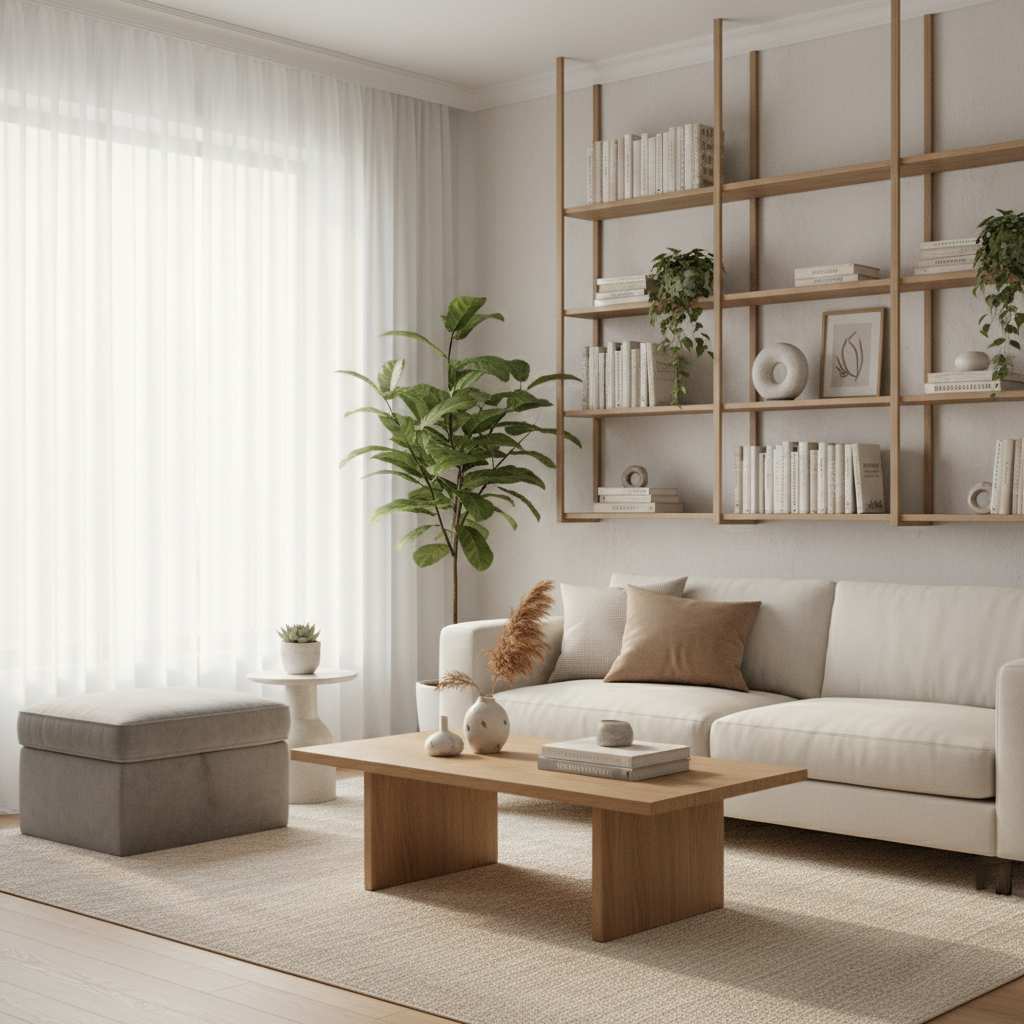
Many homeowners unknowingly contribute to a cluttered appearance through everyday choices. A significant issue is the lack of designated storage areas, which leads to scattered items and disorganization. Open shelving can also add to clutter if overloaded; keeping these spaces curated ensures they enhance rather than detract from a room’s appeal.
The selection and arrangement of furniture are vital. Oversized or improperly placed pieces can make a room feel cramped and chaotic. Ensuring adequate space and flow around furniture improves usability while enhancing visual calm. Additionally, inconsistent lighting, particularly when using mixed color temperatures, can create a disordered look; maintaining a consistent lighting scheme tailored to each room’s function fosters a more inviting environment.
Rugs also play a role in visual harmony; those that are too small can disrupt the cohesion of space. Similarly, decorative items can add charm but can lead to clutter if not displayed thoughtfully. Grouping collectibles in a deliberate manner, such as in curated gallery walls or through organized storage solutions, keeps spaces looking intentional. Lastly, simply returning items to their designated places significantly reduces clutter, as establishing regular tidying routines prevents disorder before it accumulates.
Psychological and Behavioral Factors Contributing to Clutter
Understanding that clutter often stems from deeper psychological factors is essential. Emotional attachments to belongings can hinder the ability to eliminate unnecessary items, especially for those who find comfort in their possessions. This is particularly true for individuals with ADHD, who may struggle with organization, leading to increased clutter over time.
Learned helplessness can further complicate clutter management, as overwhelming mess can result in avoidance behaviors, creating a cycle of stress and disorganization. The mental toll of clutter can lead to increased cortisol levels and an overall impact on mental health. Recognizing these patterns underscores the complexity of clutter management, suggesting that professional intervention may be beneficial for those affected.
Sociologically, a cluttered environment can affect relationships and trigger feelings of shame or embarrassment. This can lead residents to isolate themselves, creating a cycle of loneliness. Addressing both the physical and psychological aspects of clutter is essential in fostering a more harmonious living space.
Design Strategies to Reduce Clutter Appearance
To cultivate a clutter-free home, intentional design and decor choices are paramount. Limiting items on surfaces enhances aesthetic appeal; using trays or containers can organize essential items discreetly while maintaining a sense of style. Embracing a “less is more” approach encourages the use of fewer impactful pieces, creating visual cohesion without overwhelming the space.
Mixing the sizes and heights of decorative items can also prevent a cluttered look, as it encourages a balanced and engaging design. Utilizing high-quality, streamlined furniture not only improves durability but aids in reducing clutter by focusing on function. Thoughtful lighting choices should align with the purpose of each space to improve both ambiance and organization.
Practical Organizing and Decluttering Solutions
Implementing effective organizing strategies can dramatically reduce clutter. Creating straightforward, functional systems helps all household members maintain organization. Steering clear of ineffective arrangements, furniture should be placed thoughtfully to promote flow and clarity throughout a space.
Utilizing multi-functional furniture and aesthetically pleasing storage options can conceal clutter while enhancing the visual appeal. Furthermore, maintaining organized clothing habits, especially in bedrooms, is crucial in combating household clutter. Developing a culture of regular decluttering and engaging all family members in the process can significantly contribute to long-term organizational success.
Expert Recommendations for Furniture Placement
Arranging furniture effectively is key to achieving both functionality and a welcoming interior. Principles of balance and proportion should guide organization, ensuring that pieces complement one another without overcrowding a space. Arranging furniture to create distinct social areas can promote inviting atmospheres while facilitating movement and usability.
Shifting furniture slightly away from walls counters a cramped feel and enhances room openness, ultimately contributing to a more pleasant living environment. A purposeful layout reinforces the importance of organization in maintaining visual peace and promoting overall well-being.
Addressing Common Habits That Lead to Clutter
One major contributor to a cluttered home is the absence of designated storage spaces for items. Establishing clear storage areas encourages good organization practices, reducing visual clutter. Unintentionally overwhelming spaces with decorative items can also lead to a cluttered environment; thoughtful displays that adhere to personal tastes can enhance spaces without causing chaos.
Even organized areas can look cluttered if habitual behaviors lead to disorder, making it essential to cultivate mindful, consistent tidying routines. Ultimately, embracing intentional decor and awareness of personal clutter thresholds can transform a chaotic home into a tranquil sanctuary.
The content is provided by Harper Eastwood, ficustolife