Highlights
- Budget-friendly RVs are rising in popularity due to economic pressures and technological advancements.
- The shift toward affordability offers flexible travel options for budget-conscious individuals and families.
Summary of Current Trends
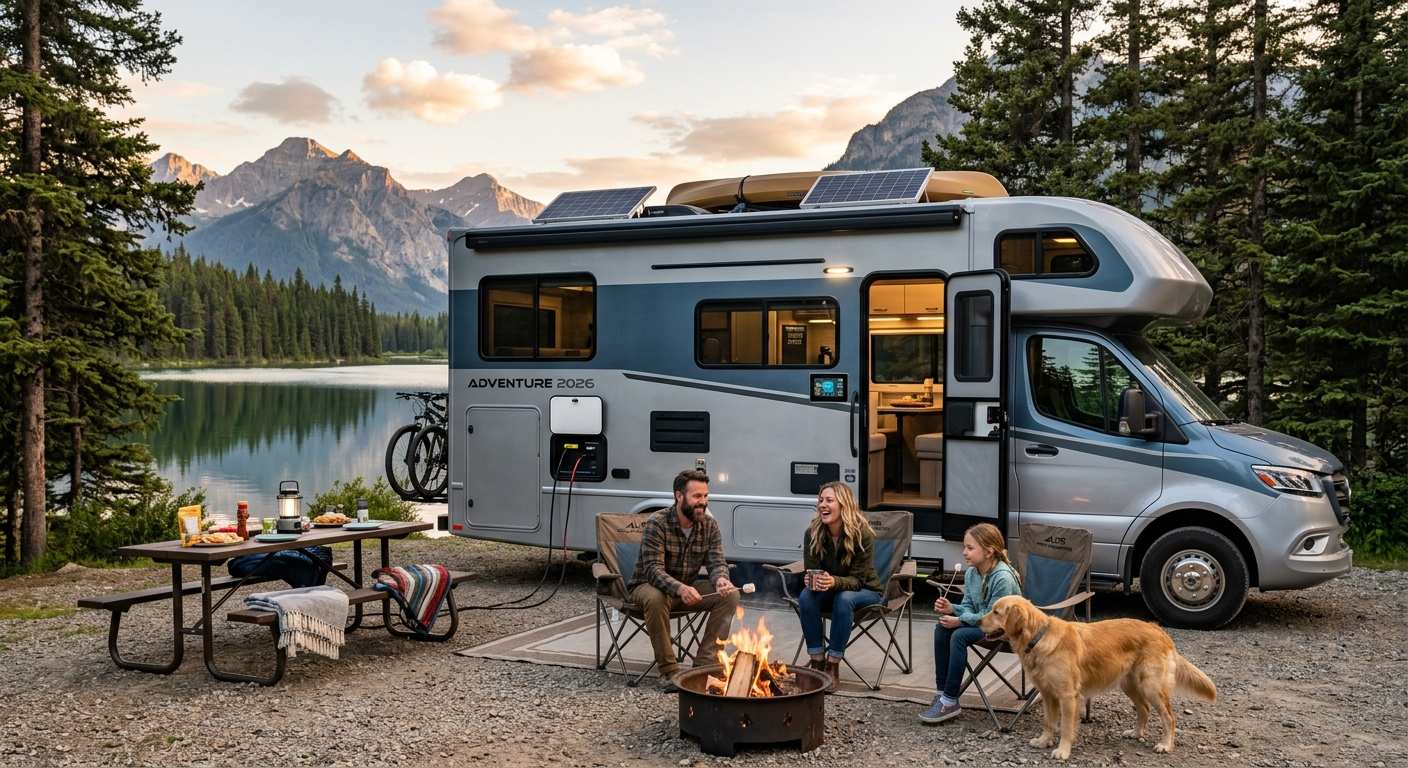
In 2026, budget-friendly recreational vehicles (RVs) are gaining traction due to economic pressures, changing consumer preferences, and technological advancements. Factors including inflation and rising interest rates are steering travelers towards affordable RV options, which present a flexible and cost-effective alternative to traditional vacations. The market is witnessing an increase in smaller yet equipped models, such as travel trailers and Class C motorhomes, which cater to modern consumer demands.
Technological innovations, including factory-installed power management systems and hybrid drivetrains, enhance the appeal of these budget models by improving off-grid capabilities and sustainable travel. Additionally, peer-to-peer rental platforms have expanded accessible RV options for budget-conscious travelers and newcomers. While the shift towards affordability reflects broader social changes, including remote work, challenges remain, particularly high ownership costs and potential feature reductions in lower-priced models.
Economic Factors Influencing Demand
The combination of economic dynamics is pivotal in driving interest in budget-friendly RVs. In 2026, projected tax changes suggest increased discretionary income for middle- and upper-middle-income households, encouraging investment in RVs. As affordability, financing transparency, and value become significant factors in decision-making, budget-friendly RVs are positioning themselves as viable solutions without sacrificing essential features.
Social trends indicate a preference for road travel, spurred by desires to avoid crowded airports and enhance safety, further amplifying RV appeal. The popularity of rental platforms democratizes access, providing entry-level users with varied vehicle options without the financial strain of ownership. Moreover, a growing commitment to sustainability and technology shapes consumer choices, prompting manufacturers to integrate eco-friendly innovations and connectivity features into RVs.
Technological Advancements and Manufacturing Changes
The RV industry is evolving with significant manufacturing and technological shifts, focusing on integrating advanced features into budget-friendly models. For example, factory-installed power suites enhance off-grid capabilities by reducing reliance on traditional generators. However, manufacturers are also grappling with rising production costs, particularly due to material prices and tariff changes. In response, some manufacturers may reduce features in budget options to maintain competitiveness.
Emerging technologies are reshaping RV experiences, as electric and hybrid models become more common. These innovations cater to increasing consumer demand for electrification and sustainable options. The rise of remote work also influences manufacturing trends, with designs increasingly tailored to provide mobile office functionalities, thus appealing to modern travelers seeking a blend of comfort and practicality.
Consumer Trends and Market Dynamics
The demographics of RV buyers are shifting, with younger families and outdoor enthusiasts increasingly engaging with RV lifestyles. Influencer campaigns and digital platforms play crucial roles in reaching these groups, promoting RV travel as both an affordable and flexible lifestyle. Budget-conscious consumers are drawn to peer-to-peer rental options, which reported significant increases in bookings, reflecting the growing market for shared travel experiences.
Additionally, the demand for eco-friendly RVs equipped with solar technology is on the rise, reflecting broader societal values of sustainability. Consumer preferences are increasingly steering the industry towards relationship-driven sales, emphasizing transparency and supportive customer service to facilitate informed purchasing decisions.
Challenges and Future Perspectives
Despite the burgeoning popularity of budget-friendly RVs, challenges persist regarding ownership expenses and market volatility. High upfront costs and ongoing maintenance requirements create barriers for potential buyers, while economic uncertainties contribute to indecisiveness and delayed purchasing behavior. Furthermore, the trend towards reducing features in certain models may lead to dissatisfaction among buyers desiring fully outfitted options.
Notably, towable RVs, while appealing for their lower maintenance costs, face scrutiny regarding comfort and convenience limitations. The industry’s gradual movement towards electrification presents both opportunities and concerns, particularly regarding infrastructure and pricing. However, optimistic market projections indicate significant growth in the RV sector, driven by innovations that enhance sustainability and consumer choice, positioning the market for a robust recovery and evolution in the coming years.
The content is provided by Sierra Knightley, ficustolife