Highlights
- Budget-friendly RVs are gaining popularity due to economic factors and shifting consumer preferences.
- Technological advancements are enhancing affordability and accessibility for younger RV buyers' adventurous lifestyles.
Understanding the Rise of Budget-Friendly RVs in 2026
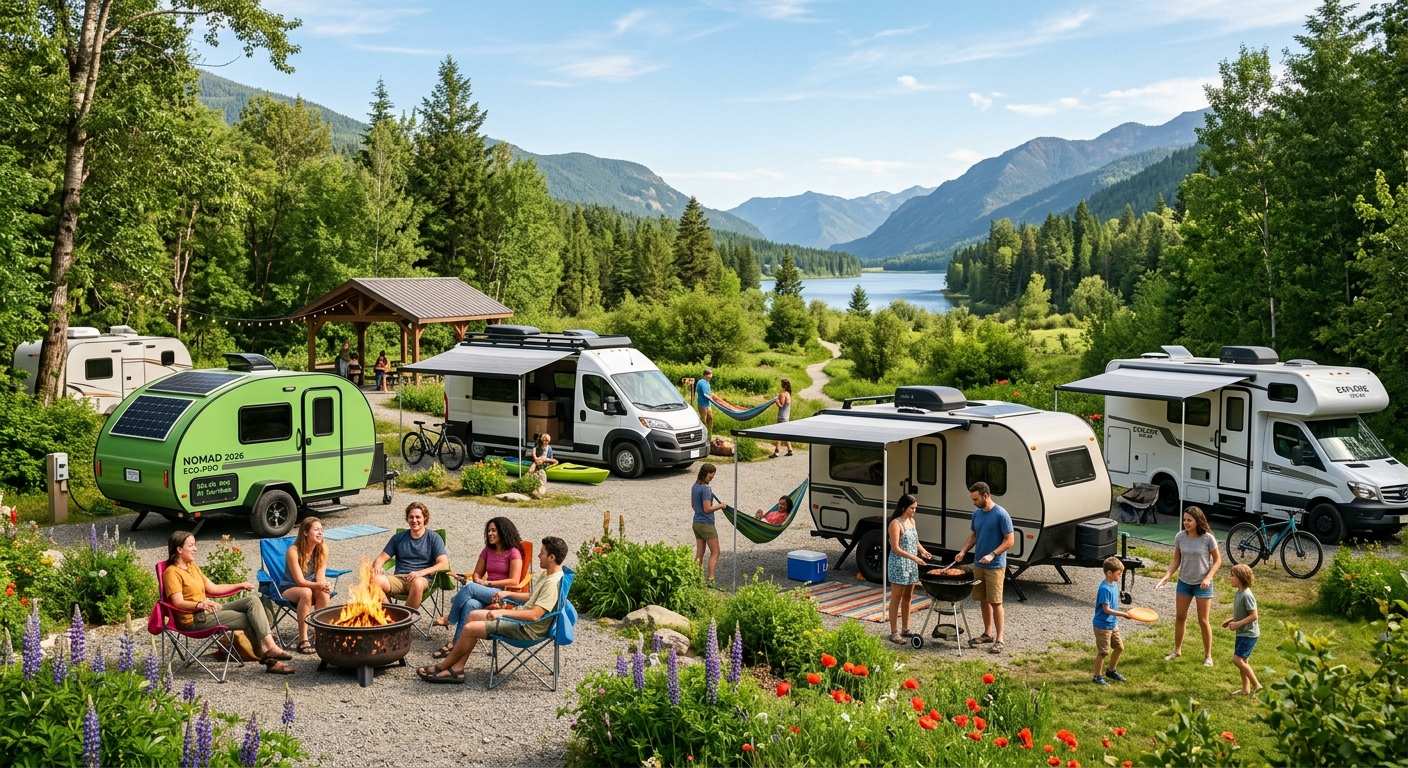
The surge in popularity of budget-friendly recreational vehicles (RVs) in 2026 can be attributed to economic factors and evolving consumer preferences. Rising interest rates and inflation have made larger and more luxurious models less accessible, leading many buyers to explore affordable options such as travel trailers, compact motorhomes, and camper vans. This shift toward cost-effective and flexible travel options aligns with a growing enthusiasm for outdoor tourism and the nomadic lifestyle, reflecting broader trends in consumer behavior.
Technological innovations also enhance the appeal of budget-friendly RVs. Features like lithium batteries, solar power systems, and smart connectivity have improved energy efficiency and off-grid capabilities. These advancements make RV ownership more accessible, especially for younger buyers and first-time travelers. Additionally, the expanding RV rental market facilitates low-commitment travel experiences, further driving interest in budget models.
Economic Factors Influencing Market Dynamics
Affordability is a central factor influencing the popularity of budget-friendly RVs. These models typically offer lower purchase prices and reduced insurance costs, making them an accessible entry point into RV ownership. The ongoing normalization of market values after previous volatility creates a more favorable environment for buyers in 2026, particularly for those purchasing without trade-in constraints. As discretionary income increases due to tax changes, middle-income households—traditionally the core demographic for RV purchases—are likely to bolster demand in the affordable segment.
However, ongoing economic uncertainties may still impact purchasing decisions. Rising financing challenges mean that a focus on value and manageable expenses over luxury becomes increasingly important. The availability of popular models, despite an overall production decline, suggests that buyers remain keen on budget-friendly options.
Shifts in Consumer Preferences and Technological Advancements
Consumer preferences are gravitating toward smaller, lightweight RVs that offer better towability and lower ownership costs, such as storage and insurance. An increasing emphasis on off-grid capabilities driven by technological advancements allows for sustainable travel experiences without the dependency on traditional energy sources. This change is also spurred by a growing interest in outdoor experiences and flexible itineraries, catering to the demands of a more adventurous and cost-conscious consumer base.
Technological innovations have made it possible for budget-friendly RVs to include features traditionally found in higher-end models. Increased energy efficiency and safety systems enhance the overall perceived value, making these vehicles more attractive to a diverse range of buyers. However, the industry also faces a challenge in balancing quality and affordability, as market expectations evolve alongside technological advancements.
Social and Cultural Implications of Budget-Friendly RV Adoption
The growing popularity of budget-friendly RVs in 2026 reflects significant sociocultural shifts, particularly among younger generations like Millennials and Gen Z. This demographic now constitutes 22% of RV owners, illustrating a shift toward lifestyle experiences that prioritize flexibility and affordability. The RV lifestyle is increasingly embraced as a sustainable travel alternative that allows for deeper connections with nature and the opportunity for adventurous living outside urban confines.
Moreover, the acceptance of remote work has enabled longer RV trips, allowing individuals and families to blend work with travel. This trend supports a nomadic lifestyle that fosters community and adaptability, although it can impact personal relationships due to frequent relocations. The sustained interest in camping and outdoor activities further underscores the cultural significance of RV use, with millions aspiring to purchase RVs in the coming years.
Challenges and the Future Outlook for Budget-Friendly RVs
Despite the rise in popularity, the budget-friendly RV market faces challenges, including declining overall production and conservative dealership inventory practices focused on popular models. As demand evolves, manufacturers must navigate these constraints while responding to regulatory and sustainability demands. The market’s future will likely involve the integration of electric and hybrid RV technology, along with improved features to meet diverse consumer needs.
Forecasts suggest that the global RV market will grow significantly, driven by an increase in personal use and continued interest in renting options. Even amid economic pressures, consumer spending on domestic travel is expected to rise, supporting demand for RVs. With a focus on innovation and collaboration, the industry may adapt rapidly to emerging trends, ensuring that budget-friendly options continue to meet the needs of a diverse and evolving clientele.
The content is provided by Jordan Fields, ficustolife