Highlights
- Rent-to-own ebikes offer affordable mobility solutions with added services for enhanced convenience.
- Protect yourself from fraud with thorough research before engaging in rent-to-own options.
Overview of Rent-to-Own Ebikes
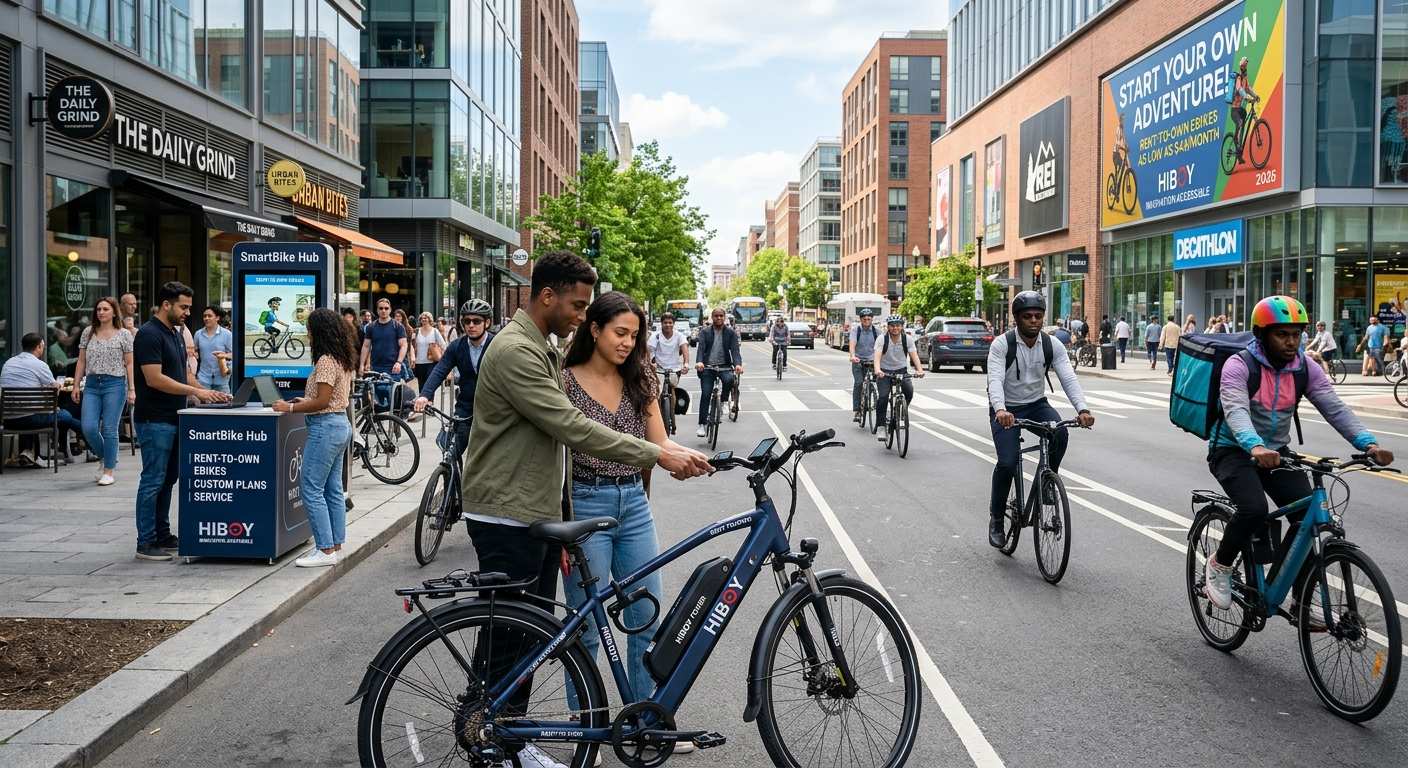
In 2026, rent-to-own (RTO) electric bikes (ebikes) have become a flexible and affordable alternative to traditional outright purchases, allowing consumers to enjoy ebikes through manageable monthly payments. This approach is especially beneficial for urban commuters, recreational riders, and delivery professionals, as it eliminates the financial burden of a large upfront cost and often bypasses credit checks, increasing accessibility to electric mobility solutions.
RTO programs frequently offer value-added services such as maintenance, GPS tracking, and battery swaps, enhancing overall customer experience. Providers like Hiboy and financing platforms, such as Affirm Connect, facilitate access to their range of electric bikes, scooters, and skateboards, which can be tested without committing to full ownership. This flexibility addresses both short-term exploration and longer-term use for customers with diverse needs.
Technological Enhancements
The appeal of rent-to-own ebikes is significantly bolstered by advancements in motor and battery technologies. Most modern ebikes feature motors delivering up to 750W of power, equipped with torque sensors for responsive assistance based on rider input. The prevalent use of lithium-ion batteries offers high energy density, lightweight design, and long cycle life, typically exceeding 2000 cycles, which are crucial for performance and safety.
Moreover, safety features and battery management systems (BMS) enhance reliability and lifespan, ensuring optimal performance. Emerging technologies, including solid-state batteries, present future prospects for even greater efficiency, although cost and production challenges currently limit widespread adoption.
Market Accessibility and Consumer Considerations
Access to rent-to-own ebikes is expanding, especially in urban centers with increasing demand for sustainable transportation solutions. Several platforms now offer these services in locations like New York and Chicago, often featuring additional benefits such as unlimited battery swaps and free maintenance. The rental agreement typically spans a set term, after which consumers may purchase the ebike for a nominal fee or return it without penalties.
However, consumers must navigate potential risks, including fraudulent sellers and scam websites, necessitating vigilant research before purchase or rental. Evaluating the terms of rent-to-own agreements, including monthly fees and contribution towards ownership, is critical to avoid unexpected financial burdens.
Integration of User-Facing Technologies
RTO ebike programs leverage smart technology to enhance user experience. Features such as digital displays provide real-time data on speed and battery status, while integration with mobile apps allows for customizable settings, keyless start options, and anti-theft alerts. This emphasis on personalization makes rides more appealing, particularly for those utilizing the bikes for both commuting and recreational activities.
Battery technology continues to be a pivotal consideration for consumers, with many models promoting long-range capabilities and performance. Safety standards, such as UL 2849 certification, are becoming benchmarks, reassuring users about the reliability and safety of their purchase.
Future Outlook for Rent-to-Own Ebikes
The electric bike sector is experiencing significant growth, with RTO models emerging as a crucial component of the evolving micromobility landscape. Increased adoption of ebikes supports sustainability goals by reducing fossil fuel dependence, while advancements in technology improve energy efficiency, rider comfort, and overall user confidence. Additionally, as the market matures through strategic partnerships and consolidation efforts, rent-to-own models are set to expand, providing greater access and supporting entrepreneurship in this space.
As cities continue to invest in cycling infrastructure, the demand for rent-to-own ebikes will likely increase, suggesting a robust market outlook for both consumers and operators seeking sustainable mobility solutions. This trend reflects shifting consumer preferences towards flexible and accessible transportation options that cater to diverse needs.
The content is provided by Avery Redwood, ficustolife