Highlights
- Buying appliances with packaging damage can lead to significant cost savings for consumers.
- Understanding warranties and consumer protection laws is crucial when purchasing "scratch and dent" items.
How to Buy Appliances with Packaging Damage: Essential Guide
Buying appliances with packaging damage, often referred to as “scratch and dent” items, can lead to significant cost savings. However, challenges such as potential voided warranties and the risk of hidden defects must be considered. Recognizing the operational functionality of these appliances versus their cosmetic imperfections is essential for making an informed purchase decision.
Before proceeding, it’s vital to understand implications like warranty enforcement and return difficulties that vary by region. In markets like the US, EU, and Australia, the buyer’s rights regarding damaged items differ, impacting their ability to seek redress. Familiarizing yourself with local consumer protection laws can empower you to assert your rights and navigate warranty claims effectively.
Lastly, note the environmental aspect of packaging damage; better packaging solutions not only reduce damage but also promote sustainable practices. Such considerations can serve both consumer interests and larger environmental goals, suggesting that a thoughtful approach can yield benefits for both your wallet and the planet.
Identifying and Understanding Packaging Damage
Packaging damage is primarily a result of inadequate protection during shipping, leading to potential cosmetic issues but not necessarily affecting the appliance’s functionality. Understanding the reasons behind such damage can inform future decisions; inadequate cushioning and improper sealing during transportation are common culprits. Evaluating packaging materials based on the type of appliance and the logistics involved can play a crucial role in ensuring adequate protection and minimizing damage risk.
Custom packaging solutions, which prioritize reusability and efficient design, are increasingly being developed to adapt to the supply chain’s demands. These innovations not only reduce waste but can also result in long-term lower costs from diminished reliance on single-use materials. Understanding these aspects helps consumers appreciate the role of robust packaging in maintaining product integrity and satisfaction.
The Impact of Packaging Damage on Appliances
While exterior cosmetic damage may not affect functionality, it can diminish perceived value and complicate resale prospects. Retailers often face heightened operational costs due to handling, repackaging, and potential returns associated with damaged items, impacting overall profitability. This ripple effect in the supply chain can jeopardize customer experience, prompting brands to consider more careful packaging to mitigate such risks.
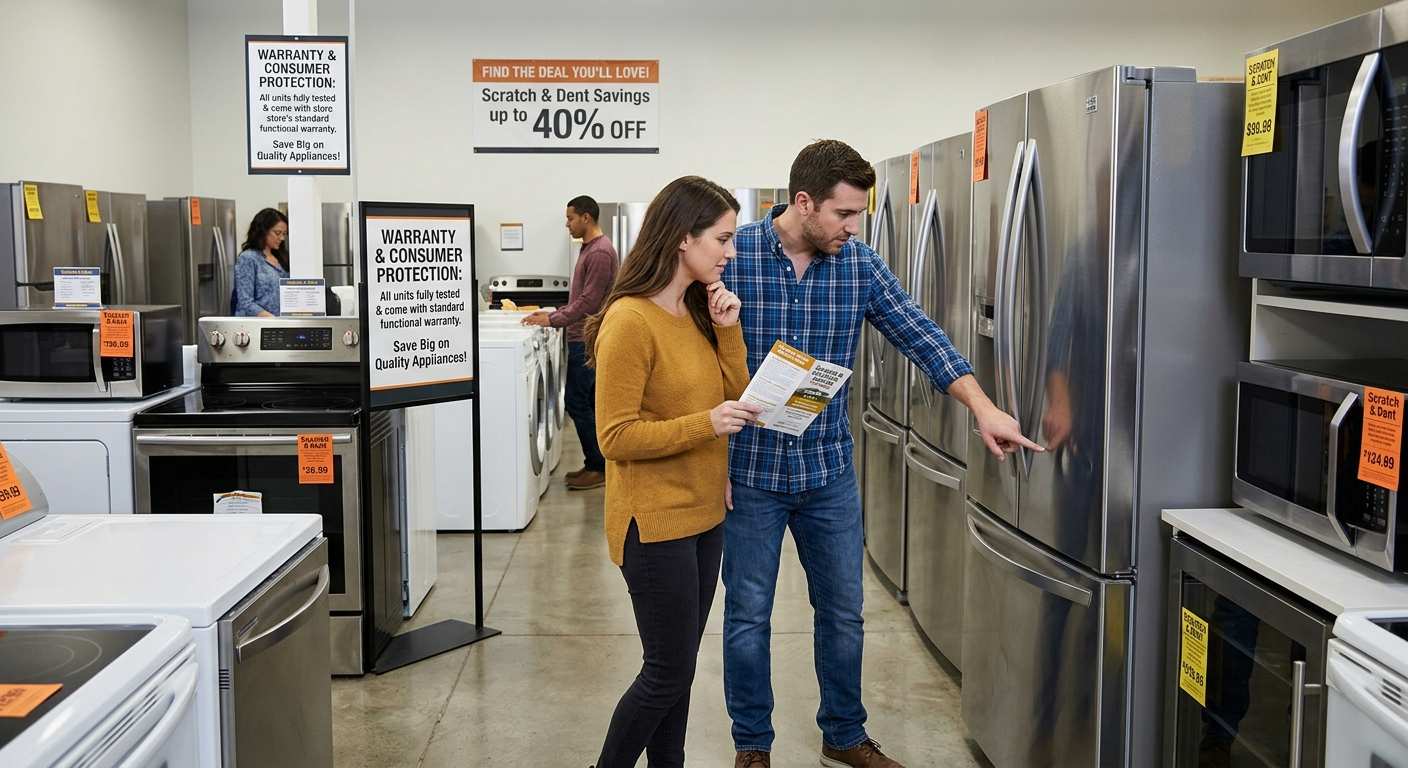
Consumers can turn this situation to their advantage by seeking discounts on appliances with minor imperfections that do not impact their intended use. Retailers often provide warranties even on cosmetically damaged items, which can bolster consumer confidence in making a purchase while benefiting from reduced prices.
Consumer Rights and Legal Protections
Understanding your rights when purchasing appliances with packaging damage is crucial. In many regions, consumers can expect remedies, including repairs or refunds if the product arrives damaged. The European Union enforces strong consumer protections, including a minimum two-year guarantee, while the US offers various enforcement mechanisms for warranty rights.
Documentation of the damage, including photos and detailed descriptions, can aid in processing claims effectively. Knowing your specific rights under local laws, such as those governing return policies and warranty enforcement, is key to navigating post-purchase issues confidently.
Comparing Regional Consumer Protection Laws
The landscape of consumer protection can vary widely by region. In the EU, strong regulations ensure clear product information and support mechanisms for disputes. In contrast, the US relies on a combination of federal and state laws, providing a different framework for addressing warranty issues.
Awareness of how different markets handle warranty claims for damaged goods is vital when making a purchase decision. In countries like Australia, warranty coverage may get complicated for visibly damaged items, underscoring the need for careful examination of terms before proceeding.
Documenting Damage and Filing Claims
Accurate documentation of any damage upon receipt of an appliance is essential for effective claims processing. Taking photographs and thorough notes on both the packaging and the appliance can help establish the context of the damage, facilitating smoother communication with the seller. Keeping all related materials like receipts and original packaging may enhance your claim’s validity.
Promptly reaching out to the seller or retailer with this documentation can hasten the resolution process. For purchases made through third-party platforms, understanding their return policies can also provide additional support in navigating potential disputes.
Retailer Strategies for Damaged Appliances
Retailers often implement specific strategies to manage appliances with packaging damage, aiming to maintain customer satisfaction while ensuring profitability. They typically offer specialized warranties that cover operational failures while excluding cosmetic issues, allowing them to sell these items at reduced rates. This approach not only diminishes inventory loss but can also enhance customer trust through clear terms of coverage.
Furthermore, retailers engage in detailed inspection and refurbishment processes to maintain quality for resale. Implementing better packaging practices is also a priority for reducing damage during shipment, affirming their commitment to customer satisfaction and ensuring a positive buying experience.
Balancing Risks and Rewards
Consumers should consider several risks when purchasing appliances with packaging damage. While potential savings seem enticing, they must also contemplate the possibility of the product being defective or less durable. Time and effort spent resolving issues associated with damage can lead to frustration and affect future buying decisions.
Legal implications, such as truth-in-advertising laws related to refurbished products, add another layer of complexity to the purchasing process. Although buying damaged appliances can present financial opportunities, weighing these against possible disadvantages is crucial for informed decision-making.
Practical Tips for Consumers
Inspecting the appliance and its packaging immediately upon delivery is essential to prevent accepting a damaged product. If any issues arise, documenting evidence for claims becomes increasingly straightforward. Avoid discarding original packaging as it could be vital for any future claims or returns.
Maintaining clear communication with the seller for quick resolution is always beneficial. Being organized with documentation will aid in presenting a legitimate case should disputes arise, ultimately streamlining the process. Understanding these practices allows consumers to navigate claims and returns more effectively.
Environmental and Economic Considerations
The choice of packaging materials impacts both environmental sustainability and economic viability in the appliance sector. Selecting recyclable materials helps reduce waste while ensuring the product is well protected during transit. Efficient recycling processes can further contribute to sustainability by minimizing pollution and following circular economy principles.
On the economic side, improper packaging leads to higher costs due to returns and dissatisfied customers. Poor packaging practices can negatively impact customer loyalty, ultimately influencing a company’s long-term success. Investing in high-quality packaging solutions can prove beneficial in safeguarding both the product and profitability, making it an essential area of focus for sellers and producers alike.
The content is provided by Avery Redwood, ficustolife