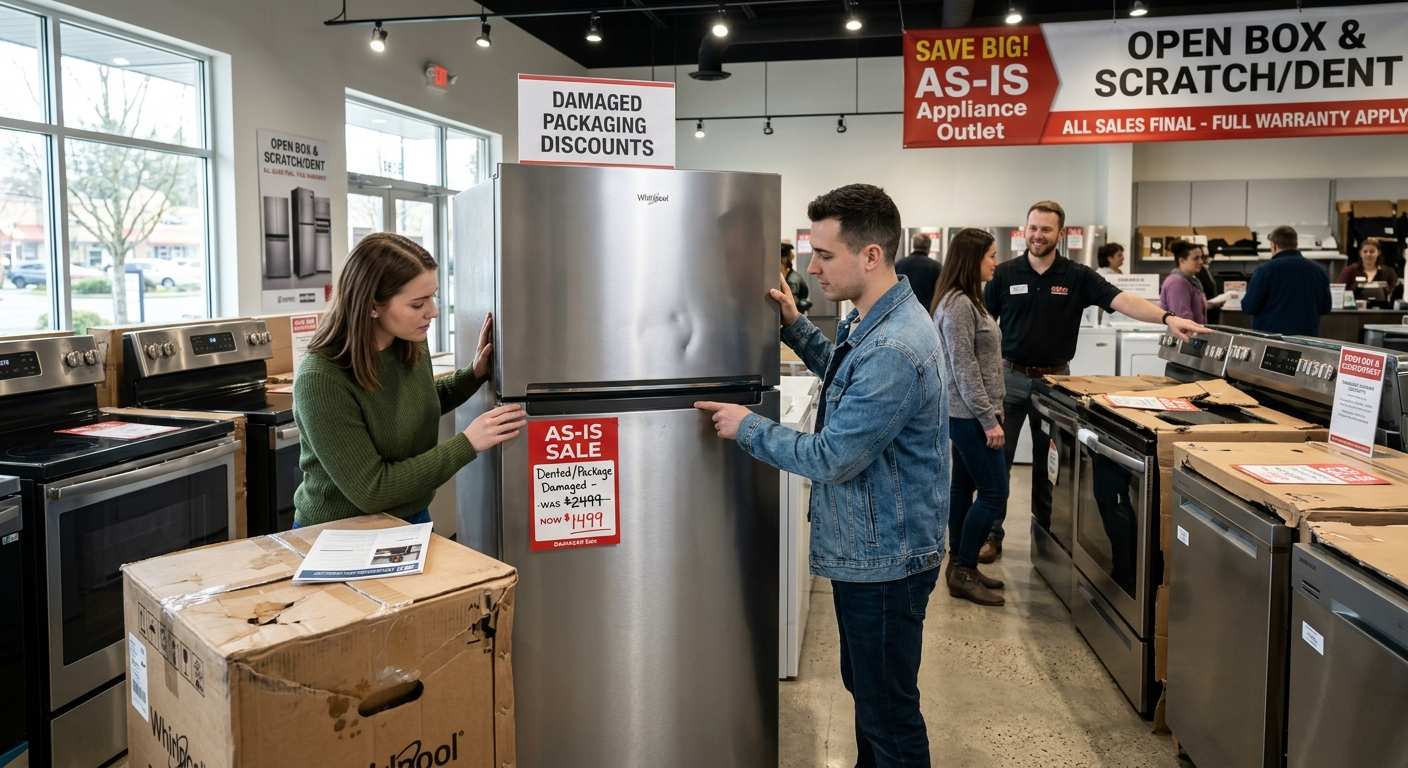
Highlights
- Buying appliances with damaged packaging can yield significant savings, but require careful inspection.
- Understanding warranty details and regional consumer rights safeguards your investment in discounted products.
Summary
How to Buy Appliances with Damaged Packaging: A Practical Guide
Purchasing appliances with damaged packaging can lead to significant savings, but it also raises concerns about product functionality, safety, and warranty coverage. It’s crucial to inspect items for any damage that could affect performance, such as dents or moisture stains, as these can indicate internal issues. Understanding the nature of packaging damage and its implications helps you make informed decisions, while also ensuring you protect your rights regarding warranties and returns. This guide provides essential tips on evaluating appliance condition and navigating legal protections and retailer policies to enhance your purchasing confidence.
Causes of Damaged Packaging in Appliances
Damage to appliance packaging typically results from mishandling during shipment, environmental exposure, and inadequate packaging materials. Rough handling during transport can lead to crushing or tearing, while complexity in global supply chains increases opportunities for damage at different handling steps. Ensuring that your appliance is properly packaged, including adequate protective fillers and moisture-resistant materials, can mitigate these risks and safeguard the product during transit.
Types and Integrity of Packaging Materials
Large appliance packaging is designed to protect from impacts and degradation, utilizing materials like corrugated cardboard that include reinforcements to enhance durability. Adequate edge protection and sustainable materials have become more common, offering both function and environmental benefits. As you consider purchasing, assess the quality of these materials, as their integrity directly impacts the safety and reliability of the product you receive.
Common Types of Packaging Damage
Packaging can show various types of damage, such as moisture exposure, which may weaken materials and indicate potential internal issues. Impact damage, including crushed corners and tears, is also prevalent and can signify harm to the appliance itself. Recognizing visible signs of packaging damage is vital, as these can affect your appliance’s performance and safety, necessitating careful evaluation before moving forward with any purchase.
Assessing Appliance Condition
When considering appliances with damaged packaging, thorough inspection is essential. Look for cosmetic imperfections, but more importantly, check for structural integrity and operational safety by assessing loose parts, electrical conditions, and overall functionality. If you identify any issues, retain the packaging and documentation for warranty claims and address the concerns before making final usage decisions.
Signs of Safety Compromise
Identifying damage on packaging can reveal potential safety risks related to the appliance inside. Key indicators include moisture damage (water stains or warped cardboard) and physical damage (crushing or punctures), both of which may affect internal components. Ensuring seal integrity and checking for temperature-related indicators can also help gauge the product’s safety before purchasing.
Understanding Legal Protections and Warranties
It’s essential to familiarize yourself with your legal rights regarding warranties on appliances with damaged packaging. Warranties typically cover defects in product functionality but may exclude damage resulting from external factors. Clarifying warranty terms and documenting any issues upon delivery can protect your rights and help navigate potential claims more effectively.
Market Differences in Consumer Protection Laws
Consumer protection laws vary by region, shaping how warranties and guarantees function. In the EU, for example, there is a two-year legal guarantee requiring transparent information from sellers. In the U.S., laws also protect consumers from defective products, while Canada often sees consumers opting for commercial warranties to simplify claims. Understanding these market-specific differences can influence how you approach an appliance purchase.
Impact of Damaged Packaging on Warranties
While the condition of packaging does not usually affect warranty coverage, any indication of the appliance being mishandled may void certain warranty protections. To address this preemptively, consider additional insurance or protection plans that cover damages outside standard warranties. Remember to inspect and document any visible damage upon delivery to preserve your warranty rights.
Retailer Policies on Damaged Goods
Store policies regarding sales, returns, and discounts on appliances with damaged packaging can vary significantly. Understanding a retailer’s specific return window and requirements is key, as failing to meet these can affect return eligibility. Whether you’re offered a discount for cosmetic damage or facing more stringent return policies, knowing these details can guide your purchase decisions.
Price Considerations and Value Assessment
When evaluating appliances with damaged packaging, consider both the price advantage and the potential risks to functionality and long-term satisfaction. Appliances sold with cosmetic damage often come at lower prices, so weighing the degree of visible damage against the price reduction can help assess value. Ensuring clear return policies and warranty details adds another layer to your value assessment for these discounted items.
Safety Considerations
Ensuring safety is paramount when purchasing appliances with damaged packaging. Look for recognized safety certifications and perform detailed inspections focusing on electrical components to avoid hazards. Engaging a professional inspection can further ensure the appliance is safe to use, helping you balance cost savings with peace of mind.
Transporting and Installing Damaged Appliances
When transporting appliances with damaged packaging, careful handling is essential to avoid exacerbating any existing issues. Reinforcing packaging prior to transport can help protect appliances from further damage. Follow installation guidelines closely and verify the completeness of the product to ensure a safe and effective setup.
Negotiating with Sellers
During the purchasing process, negotiating terms regarding delivery and return policies can significantly impact your experience. Documenting any damage and communicating promptly with sellers helps facilitate resolutions should issues arise later. A clear understanding of warranties and guarantees also enhances your position in negotiations, empowering you to secure favorable outcomes related to your appliance purchase.
The content is provided by Jordan Fields, ficustolife